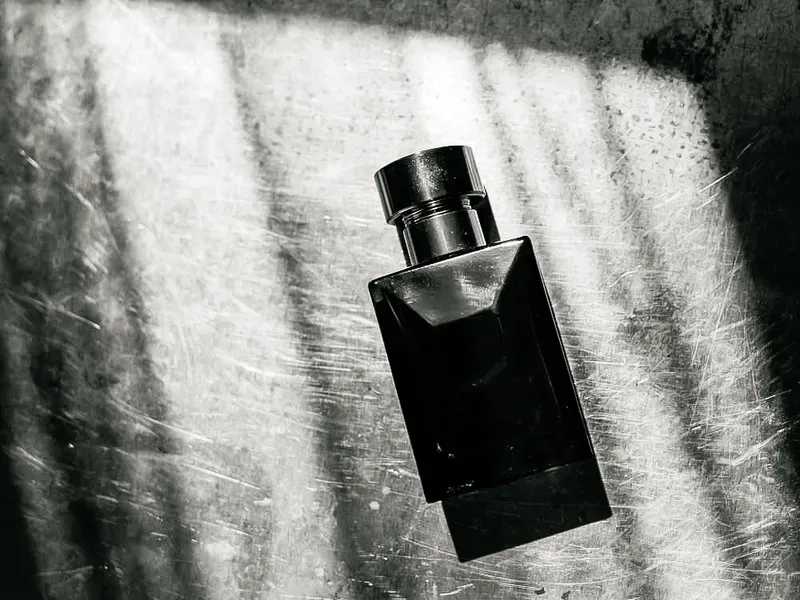
Here's a fun experiment: walk into any department store fragrance section, look at the men's wall, and try to tell the bottles apart. Blue. Blue. Dark blue. Navy blue. Silver-blue. Bottle shaped like a fist. Bottle shaped like a torso. Bottle shaped like a grenade (yes, really). They all promise "power," "confidence," and "seduction" — and they all have names that sound like luxury car models. Choosing a men's fragrance for someone else feels like shopping in a foreign language where every word means the same thing. But it doesn't have to be that way.
The men's fragrance landscape: beyond "blue"
Men's fragrance has been dominated by a single trend for over a decade: fresh, clean, blue fragrances. Bleu de Chanel (2010) essentially created a template — a mix of citrus, incense, cedar, and subtle spice — that dozens of brands have been copying ever since. Sauvage by Dior (2015) doubled down on it with ambroxan, and it became the best-selling men's fragrance on the planet.
The result? A sea of fragrances that smell... similar. Not identical, but similar enough that if you spray five of them on blotters and come back in 30 minutes, you'll struggle to tell them apart. That's not necessarily bad — these fragrances are popular because they're crowd-pleasers. They're safe. They won't offend anyone. But they also won't surprise anyone.
The good news: the men's fragrance market is diversifying fast. Niche brands like Le Labo, Maison Francis Kurkdjian, Byredo, and Amouage have shown men that fragrance can be an art form, not just a hygiene product. Sweet fragrances (once considered "too feminine") are exploding in popularity — Parfums de Marly Layton, with its vanilla-lavender-caramel profile, is one of the most hyped men's scents of the decade. Even oud, a Middle Eastern specialty, has gone mainstream.
So the question isn't "what do men's fragrances smell like?" anymore. The question is: what does this specific man like?
Fragrance families for men (they're the same as women's)
There's a common misconception that men's and women's fragrances are fundamentally different. They're not. The same fragrance families exist across genders — the proportions and marketing differ, but the raw materials are identical. A rose in a men's fragrance is the same rose in a women's fragrance.
Aromatic Fougère: the traditional men's fragrance family. Built on lavender, coumarin (a warm, hay-like note), and oakmoss. Think of classic barbershop scents — Brut, Azzaro Pour Homme, Drakkar Noir. Still popular, but increasingly seen as "your dad's cologne" by younger generations.
Fresh/Aquatic: the "blue" category. Citrus, marine notes, ambroxan, light woods. Clean, versatile, office-appropriate. Dior Sauvage, Bleu de Chanel, Acqua di Gio, Versace Pour Homme. These are the best-sellers — safe but not boring if you choose well.
Woody: sandalwood, cedar, vetiver, oud, guaiac wood. Earthy, grounding, sophisticated. These tend to be more mature and refined. Terre d'Hermès, Tom Ford Oud Wood, Dolce & Gabbana The One EDP. A woody fragrance on a man is like a well-fitted suit — it just works.
Oriental/Amber: warm, sweet, rich. Vanilla, amber, tonka bean, spices, resins. These are evening and cold-weather scents. Tom Ford Tobacco Vanille, Valentino Uomo Intense, Jean Paul Gaultier Ultra Male. Bold choices — not for the timid.
Leather: smoky, animalic, masculine. Leather notes combined with woods, tobacco, or spices. Tuscan Leather by Tom Ford is the poster child. These are niche-leaning and polarizing — but incredibly attractive on the right person.
Sweet/Gourmand: the new frontier in men's fragrance. Vanilla, caramel, praline, cocoa — notes that were once "women only." Parfums de Marly Layton, Prada Luna Rossa Black, JPG Le Male Le Parfum. These are hugely popular with younger men and perform exceptionally well in cold weather.
Matching fragrance to personality
Just like with women's fragrance, the key to choosing well is matching the scent to the person — not the occasion, not the trend, not your own taste.
The corporate professional: needs something polished, not distracting. A fragrance that whispers, not shouts. Bleu de Chanel EDP, Dior Homme, Prada L'Homme, or Chanel Allure Homme Sport. Clean, refined, office-safe.
The creative/artist type: wants something distinctive. Mainstream best-sellers won't cut it — he needs something that feels personal. Comme des Garçons (literally any of them), Maison Margiela Replica Jazz Club, or Byredo Gypsy Water. Niche is the way to go here.
The outdoorsy/athletic type: fresh, clean, energizing. Nothing heavy. Versace Pour Homme, Issey Miyake L'Eau d'Issey, Montblanc Explorer (a surprisingly good Aventus-style fragrance at a fraction of the price).
The night-out guy: going for impact. Something that gets noticed. Dior Sauvage Elixir, Tom Ford Noir Extreme, Valentino Uomo Born in Roma, or Yves Saint Laurent La Nuit de l'Homme. These are designed to turn heads.
The sophisticated/mature man: quality over hype. He appreciates craftsmanship. Hermès Terre d'Hermès, Creed Aventus (if budget allows), Tom Ford Oud Wood, or Acqua di Parma Colonia. Understated luxury.
Best picks by budget and style
Let's get specific. These are fragrances I'd actually recommend — based on quality, versatility, and how consistently well-received they are.
Under €30 — surprisingly good:
- Zara Vibrant Leather (~€15): a convincing take on Creed Aventus (a €300 fragrance). No, it doesn't last as long. But for the price, it's absurd value.
- Nautica Voyage (~€15): a fresh, aquatic, ozonic scent that's been a budget champion for years. Perfect for summer.
- David Beckham Instinct (~€20): a clean, fruity-spicy fragrance that punches well above its price point.
€30–€80 — the mainstream sweet spot:
- Dior Sauvage EDT (~€70): the best-selling men's fragrance globally. Ambroxan, pepper, bergamot. It's popular for a reason — it's crowd-pleasing, long-lasting, and versatile.
- Bleu de Chanel EDP (~€80): more refined than Sauvage, with a woody-incense depth. The EDP is the best concentration — richer and longer-lasting than the EDT.
- Versace Dylan Blue (~€55): a warm, slightly sweet take on the blue fragrance genre. Excellent performance for the price.
- Montblanc Explorer (~€45): bergamot, vetiver, patchouli, ambroxan. Aventus vibes at a fraction of the cost. Genuinely good.
€80+ — luxury and niche:
- Creed Aventus (~€300): pineapple, birch, musk, ambergris. The status fragrance for men. Controversial for its price, universally admired for its scent.
- Parfums de Marly Layton (~€180): vanilla, lavender, apple, caramel. Sweet, warm, addictive. The "everyone compliments you" fragrance.
- Tom Ford Tobacco Vanille (~€250): tobacco, vanilla, cacao, dried fruits, spice. Rich, luxurious, unapologetically indulgent. A winter masterpiece.
- Le Labo Santal 33 (~€180): sandalwood, cardamom, iris, leather. Technically unisex, massively popular with men. Cool, artistic, distinctive.
Niche brands worth knowing
If the man you're buying for already has a shelf full of Dior and Chanel, he might be ready for the niche world. Niche fragrances are produced in smaller quantities, use higher-quality ingredients, and prioritize artistic expression over mass appeal.
Maison Francis Kurkdjian: the king of modern niche. Baccarat Rouge 540 (unisex, iconic), Aqua Universalis (clean, fresh), Grand Soir (amber, vanilla). Elegant, refined, never aggressive.
Le Labo: New York-based, apothecary aesthetic. Each fragrance is named after its key ingredient and number of raw materials. Santal 33 (sandalwood), Bergamote 22 (citrus), Thé Noir 29 (tea). Cool, urban, distinctive.
Byredo: Swedish minimalism meets bold fragrance. Gypsy Water (fresh, woody), Mojave Ghost (ambrette, sandalwood), Bal d'Afrique (African marigold, vetiver). Beautiful bottles, unusual scent profiles.
Amouage: Omani brand with a Middle Eastern heritage and French perfumery expertise. Reflection Man (floral, musky — stunning), Interlude Man (smoky, incense — intense). Luxury level: very high.
Parfums de Marly: French brand inspired by the court of Louis XV. Layton (sweet, warm), Herod (tobacco, vanilla, cinnamon), Pegasus (almond, vanilla). These have become incredibly popular in the fragrance community.
How to test and buy smart
The testing rules for men's fragrance are the same as for women's — but men tend to be less patient in stores, so here's the streamlined version.
The 3-step method:
- Narrow down the family before entering the store. "He likes fresh scents" or "He'd probably enjoy something warm and spicy" — having a direction saves you from sniffing 40 bottles aimlessly.
- Test 3-4 on blotters. Eliminate the ones you immediately dislike. Keep the 2 finalists.
- Spray the finalists on skin (one per wrist). Wait 20-30 minutes. The one that still smells great after the top notes fade is the winner.
The discovery set option: just like with women's fragrance, many brands offer discovery/sample sets. For men, the best ones are: Maison Margiela Replica (10 miniatures, €35-40), Le Labo (you can request samples in-store for free), and Creed (sample sets available online). This takes the guesswork out entirely.
The "what does he already wear" method: the most reliable approach. Find out his current fragrance (check his bathroom, ask a roommate, or just ask him directly — most men won't mind), look up its notes online, and choose something in the same family but slightly different. Evolution, not revolution.
Common mistakes when buying men's fragrance
The same mistakes apply as with women's fragrance (buying based on ads, choosing based on the bottle, ignoring their taste), plus a few men-specific pitfalls:
Assuming all men want "fresh and clean." Many do — but not all. Some men love sweet fragrances, some love smoky leather, some love florals. Don't default to the blue bottle because it's "safe." Safe is also forgettable.
Buying something too trendy. Dior Sauvage and Bleu de Chanel are wonderful fragrances, but they're also everywhere. If the man you're buying for values individuality, a mainstream best-seller might disappoint. Consider a niche option or a less-known designer fragrance.
Ignoring performance. Men tend to care more about longevity and projection (how far the scent travels) than women do. A beautiful fragrance that vanishes after 2 hours will be frustrating. Check online reviews for performance — Fragrantica and Basenotes are the best resources.
Buying a gift set just because it's "good value." Gift sets (fragrance + shower gel + deodorant) are convenient, but they often include products he'll never use. A 50ml bottle of a great fragrance beats a gift set with a mediocre one. Quality over quantity.
Concentration and longevity: what to expect
Men's fragrances come in the same concentrations as women's — EDT, EDP, Parfum — but men tend to be more sensitive to longevity as a purchasing factor. Here's what to expect.
Eau de Toilette (EDT): the traditional concentration for men's fragrances. Lighter, more casual, 3-5 hours of wear. Most designer fragrances are available in EDT. Good for everyday, office, warm weather.
Eau de Parfum (EDP): richer, longer-lasting (6-8 hours). Increasingly the standard for new releases. The EDP version of a fragrance usually has a deeper, warmer profile than the EDT. For a gift, EDP is almost always the better choice — it feels more premium and performs better.
Parfum / Elixir / Extrait: the most concentrated versions (8-12+ hours). Dior Sauvage Elixir, Bleu de Chanel Parfum, and JPG Le Male Le Parfum are examples. These are intense — 2-3 sprays are enough. They're also the most expensive per ml, but you use less product, so the cost per wearing is comparable.
Performance varies by skin type. Oily skin tends to hold fragrance longer than dry skin. Moisturized skin performs better than dry skin. If he has dry skin, suggest applying an unscented moisturizer before spraying — it gives the fragrance something to grip.
Frequently asked questions
What's the most universally liked men's fragrance?
Dior Sauvage (EDT or EDP) consistently tops "most complimented" lists in fragrance communities. It's fresh, versatile, and long-lasting. Bleu de Chanel EDP is a close second — slightly more refined and less ubiquitous. If you need a guaranteed crowd-pleaser with zero risk, these two are the safest bets in men's fragrance.
Is €50 enough for a good men's fragrance?
Absolutely. Some of the best-performing men's fragrances cost under €50: Montblanc Explorer (~€45), Versace Dylan Blue (~€55), Prada Luna Rossa Carbon (~€50). The price of a fragrance reflects the brand name and marketing budget as much as the quality of ingredients. A €50 fragrance can smell and perform just as well as a €150 one — sometimes better.
How many sprays should a man apply?
For EDT: 4-6 sprays (neck, wrists, chest). For EDP: 3-4 sprays. For Parfum/Elixir: 2-3 sprays. The goal is a "scent bubble" that people notice when they're close to you — not a fog that fills the room. Over-spraying is one of the most common fragrance mistakes. If people can smell you from 3 meters away, you've used too much.
Can women buy men's perfume based on what they find attractive?
Yes — with a caveat. What you find attractive on paper might not be what he wants to smell like. Fragrance is worn by the wearer, not for the observer. The best approach: pick 2-3 that you find attractive, then let him test them and choose. That way, you've curated the options (incorporating your taste), but he has the final say on what goes on his skin.
Do men's fragrances smell different on skin vs. on a blotter?
Yes, always. Blotters (paper strips) give you a neutral reading of the fragrance. Skin adds body chemistry — your pH, oils, diet, and even medication can alter how a fragrance smells. That's why you should always test finalists on skin before buying. What smells clean and fresh on paper might turn sour or sweet on certain skin types. The fragrance on his skin after 30 minutes is the real fragrance.
Sources: