Rome for £41. Porto for £54. Marrakech for £77. Those were the return flights from London for my last three weekend getaways.
I've spent 10 years optimising every pound spent on travel. Money saved on a flight or a bed pays for what no all-inclusive package offers — a cooking class in someone's home, an impromptu train ticket to a town you'd never heard of, or simply one more weekend away each year. So where does travel money go? Into four lines, always the same ones — getting there, sleeping, eating and things to do. And with the summer getaway rush starting, now is when good habits save the most (and bad ones cost the most).
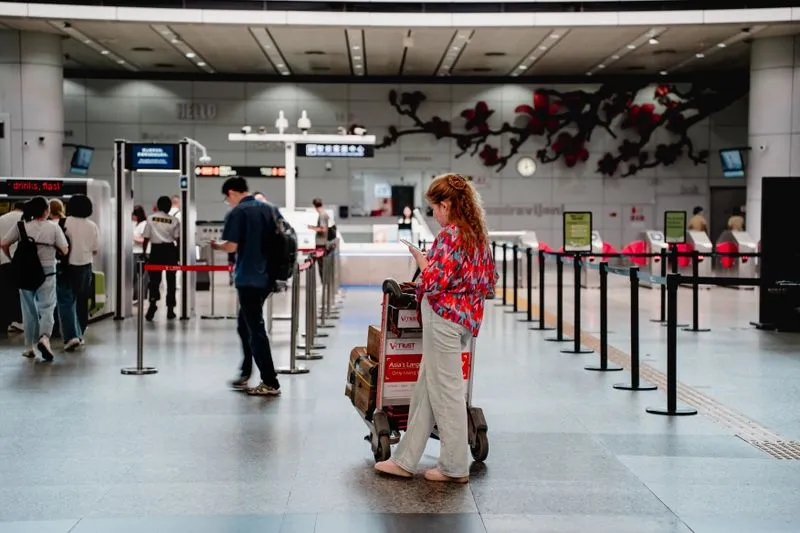
Cheap flights: the method that actually works
On a European weekend break, the flight is the line whose price swings most from one day to the next — so that's where a few minutes of searching pay off most. Here's the method I use for every booking, tested across dozens of trips.
Google Flights with flexible dates. This is the baseline tool: switch on flexible dates, look at the fare grid, and you'll see that shifting by a single day changes the price. According to Google's own analysis of Google Flights fares, published in September 2024, departures on a Monday, Tuesday or Wednesday have been 13% cheaper on average than flying on a Friday, Saturday or Sunday. That data covers flights from the US, but on my own European bookings from London I see the same pattern (a personal observation, not a study).
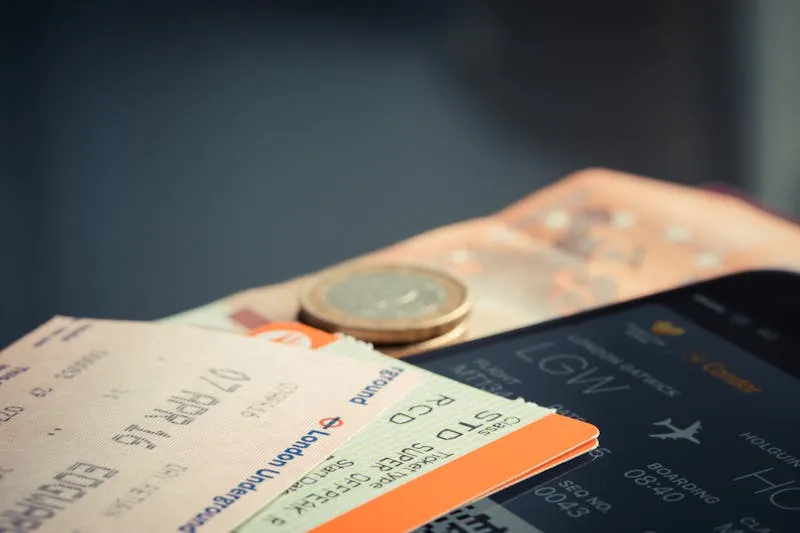
Booking timing. For a short-haul European flight, I usually book one to two months ahead — out of habit rather than any rule. For flights abroad, the same Google analysis — again, departures from the US — is clearer: average prices have been lowest 101 days before departure. The historical low range starts 50 days or more before take-off. Airlines adjust fares constantly as the plane fills up, so waiting for a "last-minute deal" on a summer flight is rarely a winning strategy.
Low-cost carriers, used correctly. Ryanair, easyJet and Wizz Air stay cheap as long as you skip the extras you don't need. For a weekend, the small free bag that fits under the seat is plenty if you pack light. No hold luggage, no seat selection, no "flexi" upgrade: every box you tick chips away at the base fare, and those extras are precisely where these airlines make their money.
Price alerts. Set up alerts on Google Flights or Skyscanner for your favourite destinations. When the price drops below your threshold, book it without agonising for three days. I nabbed a London–Lisbon for £16 one way thanks to an alert.
Error fares. These are airline pricing mistakes, sometimes spectacular ones. Services like Jack's Flight Club and Secret Flying spot them and send them to their subscribers. They're rare, and when one lands you have to book fast, because the airline always corrects its mistake in the end.
Smart accommodation: sleeping well without breaking the bank
Dorm, spare room or small hotel? Accommodation is the other big expense — and the right answer depends mostly on the city and the season. A few strategies can cut the bill dramatically without sleeping in a broom cupboard.
New-generation hostels. Forget the grim dorms of the 1990s. Modern hostels (Generator, The Social Hub, and the Hostelling International network, which YHA belongs to in England and Wales) lean into design, with common spaces that rival a boutique hotel. A dorm bed costs a fraction of a hotel room on the same street, and most also offer private rooms for anyone who values a door that locks.
Booking.com filtered to "8+". A simple trick: filter by a rating above 8/10, then sort by lowest price. In seconds you get the best value in town, and in plenty of European cities, especially out of season, you'll find small, highly rated hotels at prices that will surprise you.
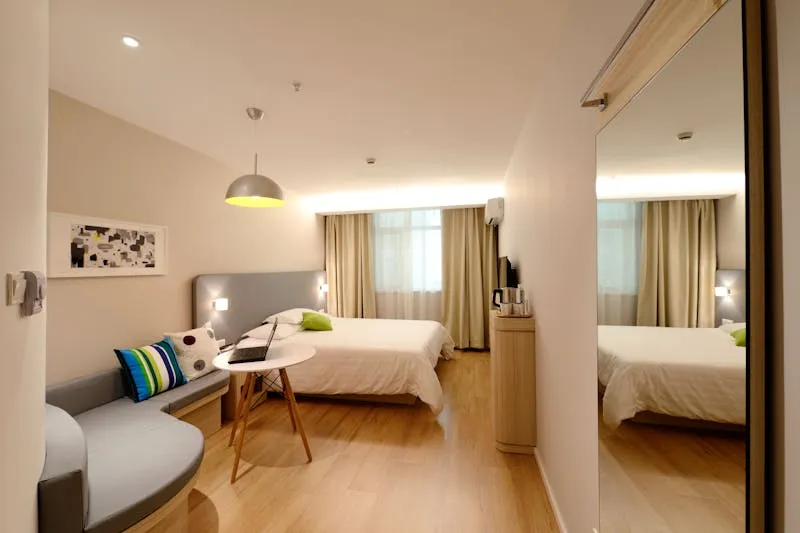
Airbnb private rooms. Book a room in someone's home rather than the entire flat, which is too expensive when you're travelling solo. You pay far less, you get a local to recommend a good spot for dinner, and sometimes breakfast is included.
Housesitting. Platforms like TrustedHousesitters let you stay for free in exchange for looking after a pet or a home. The annual membership isn't free, but it pays for itself quickly if you travel several times a year — as long as you properly like other people's cats.
Couchsurfing. Your host doesn't charge you for the night, but the investment is social: you spend time together, share a meal, swap stories. The platform itself is another matter. Since Couchsurfing's announcement in May 2020, members in many countries pay a small contribution — monthly or yearly, adjusted by country — so check the price shown for yours before you sign up. Some people love the format, others would rather keep their evenings to themselves. Read profiles and references carefully before accepting, especially if you're travelling alone (my solo travel safety guide covers the checks worth doing).
Eating local: where your food budget quietly shrinks

Your food budget is the one that drops fastest when you change streets. Two streets behind the cathedral — barely 200 metres away — the places where the neighbourhood has lunch charge far gentler prices than the terrace facing the square.
The golden rule: if the menu is translated into four languages with laminated photos, it's overpriced. So how do you spot the right place? Look for the one where the menu only exists in the local language (and the tables are full of families from the neighbourhood): that's where the value is unbeatable.
Street food. In South-East Asia (Thailand, Vietnam, Indonesia), a full meal from a street stall costs a couple of pounds at most. Around the Mediterranean, from Portugal to Turkey, street snacks are also nowhere near terrace-with-a-view prices.
Local markets. Fruit, cheese, bread, local charcuterie: a market picnic costs a fraction of a restaurant meal, and it's a chance to taste things you'll never find at Tesco when you get home.

Supermarkets. Breakfast and snacks from the supermarket save you a few pounds every day compared with the tourist café. The hotel breakfast sold as an add-on is the most classic budget trap in travel: always check its price before you tick the box.
The lunch set menu. In Spain it's the menú del día; in Portugal, the prato do dia: a full menu (often starter, main, dessert and a drink) served at lunchtime for far less than the evening à la carte. It's the same cooking, simply served when the neighbourhood has lunch.
Getting around: alternatives to taxis
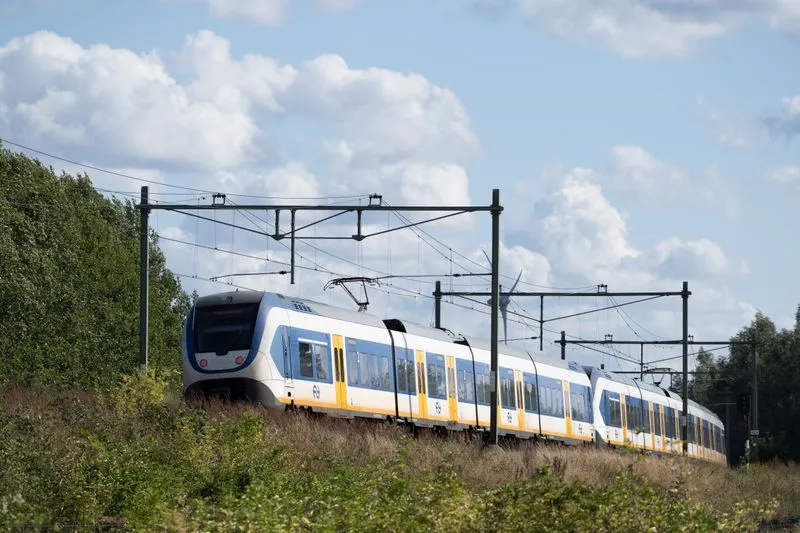
Taxis are the enemy of the travel budget. Here's how to avoid them almost entirely, without spending your holiday waiting for a bus.
Walking is still the cheapest way to get around, and the best cities are discovered on foot. In Lisbon, Rome, Barcelona or Amsterdam, you barely need public transport if you're happy to walk ten-odd kilometres a day (which you'll do naturally while exploring, trust me).
Public transport. Compare day passes and multi-day passes as soon as you arrive: if you're planning several journeys a day, the pass usually wins, and you can hop on and off without counting every fare.
Cycle hire. Plenty of big European cities have public bike schemes, from Santander Cycles in London to their equivalents on the Continent. Some are open to visitors by the day, others are designed mainly for residents: check the terms in the app before you rely on one.
Trains at home. Before you even leave the country, a Railcard pays off fast. The 16-25 Railcard gives you 1/3 off most train fares (full-time mature students aged 26 and over qualify too), and the digital-only 26-30 Railcard does the same — buy it any time before your 31st birthday and it keeps working for a whole year. Both carry a £12 minimum fare on weekday journeys starting between 04:30 and 10:00. The exceptions: Advance tickets, public holidays and — for the 16-25 Railcard only — July and August, which is handy for an early summer train to the airport.
Coaches. In Britain, National Express and Megabus are the budget way between cities; on the Continent, FlixBus and BlaBlaCar Bus link European cities, often for less than the train. The comfort is decent, and night services save you a night's accommodation. To survive eight hours on the road, download a few episodes from our 20 must-listen podcasts for women on wifi before you leave, so you don't burn through your roaming data.
Car-sharing. On the Continent, BlaBlaCar is a popular way to share a car between cities. More encounters, fewer expenses, and sometimes a driver who tells you her favourite place for dinner when you arrive.
Things to do: book the essentials, enjoy the free stuff
Book an activity only when the venue insists on it — timed tickets, capped numbers. Choose everything else on the spot, from the free options. In a big European city, those are enough to fill a whole weekend.
Free walking tours. In most big European cities, guides run walking tours with no set price — at the end, you tip whatever the tour felt worth. It's the best way to get your bearings on day one, before choosing what to dig into.
Museums that are free for everyone. Some cities open their permanent collections at no charge. In Paris, the City of Paris's own guide to its free museums is explicit: the permanent collections of the city-run museums are free whatever your age. Three places are the exception — the archaeological crypt on the Île de la Cité, the Catacombs and the Palais Galliera. So the Petit Palais, the Musée Carnavalet and Victor Hugo's house on the Place des Vosges cost nothing outside their temporary exhibitions.
The under-26 rule, and why a UK address doesn't count. France's national museums let 18-to-25-year-olds into their permanent collections for free, but only if they live in the European Economic Area. At the Louvre, entry is free for all under-18s and for under-26s who live in the EEA — the EU, Norway, Iceland and Liechtenstein — with proof of ID and residency. The UK is in neither the EU nor the EEA, so a 23-year-old flying in from Manchester pays full price. Check the museum's own website before you go.
City passes, calculator in hand. How many paid entries will you really fit into three days? Add up their prices, add the transport the pass includes, and compare with what the pass costs. Strike off anything that's already free for you first — that's often where a pass loses its point.
To choose what to see before you go, dip into our pick of museums and exhibitions. And leave time for the neighbourhoods themselves: wandering through Alfama in Lisbon or Trastevere in Rome costs nothing.
10 destinations where your money goes far
For a sense of where your pounds stretch furthest, the Post Office's annual survey is a good compass. In its 2025 Holiday Money Report, published in March, Portugal's Algarve topped 47 destinations for the first time in nine years, at £58.95. The basket covers eight items — a three-course meal for two with wine, a coffee, a local beer, a can of cola, a glass of wine, a bottle of water, suncream and insect repellent. Hoi An in Vietnam, the 2024 winner, slipped to seventh (£73.23) after a 41.3% price rise, and Sunny Beach in Bulgaria came sixth (£71.46). Here are ten destinations, in Europe and beyond, where a tight budget goes a long way:
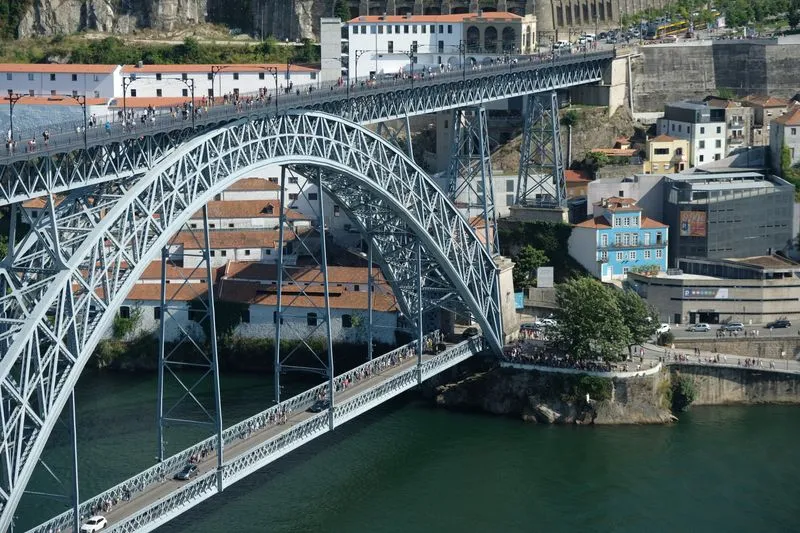
1. Porto, Portugal — francesinha (a sandwich that has never heard of the word "light"), glasses of port in the cellars of Vila Nova de Gaia, and steep lanes tumbling down to the Douro. My verdict: the most beautiful budget city in Western Europe.
2. Budapest, Hungary — thermal baths, ruin bars in crumbling courtyards and generous, hearty cooking.
3. Marrakech, Morocco — riads, tagines and mint tea, about three and a half hours' flight from London. Somewhere properly different without crossing an ocean (and ideal haggling practice, see the FAQ).
4. Krakow, Poland — pierogi, a UNESCO-listed old town and jaw-dropping architecture, a short flight from most UK airports.
5. Bangkok, Thailand — street food on every corner, temples and night markets. The long-haul flight is the whole budget: keep Bangkok for a trip of ten days or more, never a weekend.
6. Sunny Beach, Bulgaria — a long sandy beach on the Black Sea, and one of the ten best-value destinations in the Post Office's 2025 table — even after the cost of tourist staples there rose by 13.9% in a year.
7. Athens, Greece — souvlaki, neighbourhood tavernas and, for a view of the Acropolis without a ticket, Philopappos Hill at sunset.
8. Hanoi, Vietnam — morning phở, local beer on plastic stools, and an Old Quarter you can cross on foot for nothing. Same rule as Bangkok: the flight decides.
9. Seville, Spain — tapas at the bar, orange trees lining the streets and flamenco in the bars of the Triana district.
10. Tbilisi, Georgia — khinkali, Georgian wine and the sulphur baths of the old Abanotubani quarter.
The 6 mistakes that wreck a travel budget
1. Believing in a magic booking day. No, booking on a Tuesday won't make prices melt. The same Google analysis — again, US departures — makes the point. Tuesday, historically the cheapest day to book, was only 1.3% cheaper than Sunday, the most expensive. The day you fly weighs far more than the day you click.
2. Paying for the view and the taxi. The restaurant overlooking the monument and the taxi from the airport are the two classic leaks of a weekend away. Two streets back from the monument and the airport bus or train are enough to plug them.
3. Paying in pounds. When a card machine, a cash machine or an airline offers to charge you in sterling, say no. When Which? checked Ryanair's currency conversion in 2019, an Alicante–Gatwick flight advertised at 156.45 euros came to £145.82 at Ryanair's rate, against £137.10 at Visa's rate that day — nearly £9 more for the same seat. Pay in the local currency and let your bank do the conversion, ideally with a card that charges no foreign transaction fees (several UK banks offer one).
4. Forgetting health cover. A free UK Global Health Insurance Card (GHIC) lets you get necessary state healthcare in the European Economic Area and some other countries, and it lasts up to five years. But the NHS is clear that the GHIC is not a replacement for travel insurance: it doesn't cover being flown back to the UK, treatment in a private facility or mountain rescue. Apply through the official NHS site — unofficial websites may charge you a fee for something that's free.
5. Buying on the spot what you could have packed — or what will end up in a drawer. The fridge magnet and the "I love…" mug are universal traps: bring back something local instead (olive oil, spices, a piece of workshop ceramics), for a similar budget and a hundred times more meaning. Same logic for the sunscreen bought in a panic at the beach shop: choose it before you go with our complete guide to choosing and applying sun protection, and slip a travel-size bottle into your cabin bag.
6. Not setting a daily budget. Without a limit, the bill swells without you noticing: a coffee here, a shuttle there, a souvenir "because we're on holiday". Set a daily budget and log your spending on your phone (the TravelSpend app does the job nicely).
Tools and apps for hunting deals
Seven tools cover the whole trip, from the flight to the daily budget — and all of them are free to browse.
| Tool | What it's for | Cost |
|---|---|---|
| Google Flights | Comparing flights: date grid, price alerts, the "Explore" map | Free |
| Skyscanner | "Everywhere" search: the cheapest destinations from your airport | Free |
| Kiwi.com | A third comparison site to cross-check the price of the same flight | Free to search |
| Hostelworld | Hostels, filtered by rating, price, facilities and room type (the one I open first) | Free to search |
| Rome2Rio | Getting from A to B: plane, train, coach and car-share on one screen, with estimated prices | Free |
| TravelSpend | Logging every expense and tracking your daily budget | Free, paid Premium version |
| Too Good To Go | Unsold food of the day from restaurants and bakeries, as reduced-price surprise bags, across the UK and in many European cities | Free app, bags paid for |
Planning vs improvising: the right balance
Do you need to book everything before you go? No. My ideal mix for a budget trip: 70% planning, 30% improvisation.
What to plan: the flights (they make or break your budget), your first night's accommodation (arriving without knowing where you'll sleep = stress + decisions under pressure = bad deal), and the must-do sights that need booking (the Alhambra in Granada, the Colosseum in Rome). Same if your summer revolves around music: for a festival, the first tickets released are usually the cheapest. Our pick of summer music festivals will help you choose yours.
What to improvise: meals (follow your nose), local transport (walk, get lost), and at least one day with no plan at all, because the best discoveries happen when you're not looking for anything.
Your first move tonight: open the "Explore" map from your nearest airport, enter your annual leave dates, and see where this month's budget could take you.
Frequently asked questions
What's the minimum budget for a weekend in Europe?
There's no single figure: it depends on the city, the season and when you book. To estimate yours, add up three lines — the return flight, two nights (dorm or private room) and your meals — then add a buffer for getting around. My last three getaways cost me £41, £54 and £77 in return flights; the rest came down mostly to where I chose to sleep.
Is it better to book in advance or last minute?
For flights, book ahead on the whole — for trips abroad, Google's analysis of US departures put average prices at their lowest around 100 days before departure. For accommodation, book early in high season; off-season, you can afford to wait and watch for price drops. For activities, book popular sights ahead and decide the rest on the spot.
Which bank card is best for travelling without fees?
Start by reading the fees on your current card: many charge a percentage on every foreign transaction. If yours does, a card with no foreign transaction fees (several UK banks and app-based banks offer one) is worth considering — check its cash withdrawal limits too. Take two cards from different providers: if one gets blocked, you've got a backup.
How do I find free activities?
Tip-based free walking tours, parks, neighbourhoods on foot and free museums. In Paris, the permanent collections of the city-run museums are free for everyone. France's national museums are free for under-26s only if they live in the EU or the EEA — which rules out a UK address.
Is budget travel only for young people?
No. Plenty of experienced travellers in their 40s and beyond travel "smart" by choice — to go away more often, stay longer, or because a good new-generation hostel and local street food suit them better than a standardised tourist hotel. Younger travellers simply get a few extra perks, like the 16-25 and 26-30 Railcards.
How do you haggle when travelling?
Haggling is cultural: normal in Moroccan souks, in many Asian markets and with unmetered taxis; out of place in restaurants, hotels with posted prices and on public transport. My rule: if the price isn't displayed, it's up for discussion. I start at around half the asking price and work up, always with a smile.
Sources
- Google — Google shares holiday travel trends and insights (Google Flights data, September 2024)
- Post Office — Revealed: destinations offering the best value worldwide (Holiday Money Report 2025, 15 March 2025)
- Which? — Ryanair continues to rip-off passengers with dynamic currency conversion (2019)
- NHS — Applying for healthcare cover abroad (GHIC and EHIC)
- National Railcards — 16-25 Railcard
- National Railcards — 26-30 Railcard
- Couchsurfing — We hear you (members' contribution announced in May 2020)