The first time I travelled alone, I lied. I told my mum I was meeting a friend in Lisbon. In reality, I had a plane ticket and an Airbnb booking in a neighbourhood I'd never heard of. I was terrified. And that trip was the best of my life.
Since then, I've travelled solo in 14 countries. Not because I've got nobody to travel with — because travelling alone is a fundamentally different experience. You change your plans at 11am because you fancy walking in another direction. You talk to people you'd never have approached in a group.
If you're booking your summer leave right now and none of your friends can get the same dates, this is what I wish I'd read before Lisbon: destinations picked for a first trip, the safety habits that help on the ground, the apps worth installing, what costs more (and less) on your own, and a six-step plan to get you out of the door.
What solo travel changes, in practice
Travelling alone means deciding everything, and fast — the bus that never comes, the hotel that's lost your booking, the museum where you stay three hours while the cathedral waits. Every hiccup you sort out with nobody to hand it over to leaves you a little surer of yourself, and that comes home with you.
The other surprise is that you meet MORE people than in a group: a woman on her own at a café table is easier to approach than a gang of four — for other travellers and for the woman behind the bar across the road alike.
A word on surveys while we're here: most of the numbers doing the rounds on women travelling solo come from booking platforms. They have every reason to want you on a plane. What I'm describing is what I've seen come back, trip after trip, for me and for the women I've met along the way.
Ten safe destinations for a first solo trip
I've ranked these destinations on three criteria: safety, logistical ease (transport, language, cost) and the "meeting people" factor. For safety, my starting point is the Global Peace Index 2024 from the Institute for Economics & Peace, which ranks 163 countries on 23 indicators: five countries on my list sit in its top ten — Austria (3rd), New Zealand (4th), Portugal (7th), Denmark (8th) and Slovenia (9th). Know its limits, though: the index measures how peaceful a country is (crime, conflict, militarisation), not the street harassment a woman on her own might face. The rest comes from the ground. Here's my top ten — subjective, but argued. For a very first trip, pick from Lisbon, Barcelona, Edinburgh, Vienna, Ljubljana or Copenhagen; save Tokyo, New Zealand, Bali and Montreal for the next one.
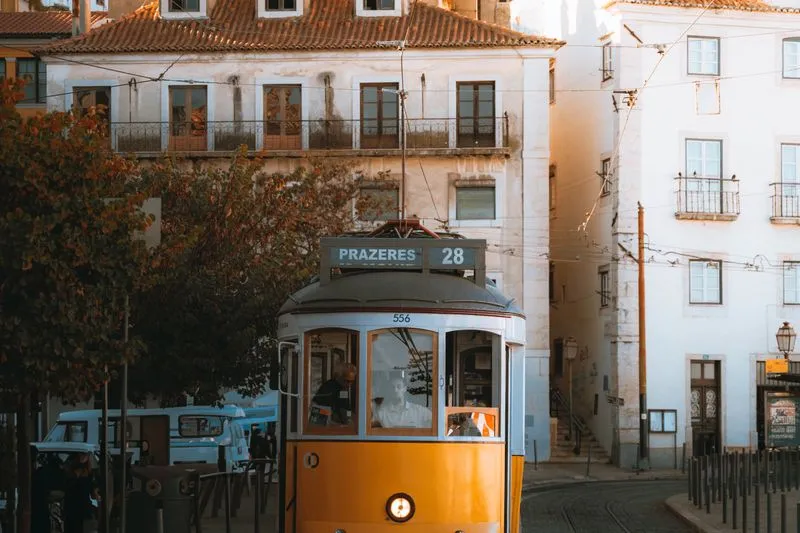
1. Lisbon, Portugal — my favourite city for a first solo trip, and not just for sentimental reasons. Safe, warm, affordable, with plenty of well-run hostels. Tram 28 drops you in neighbourhoods that look like film sets. And you can do everything on foot if your calves cooperate (the hills are merciless).
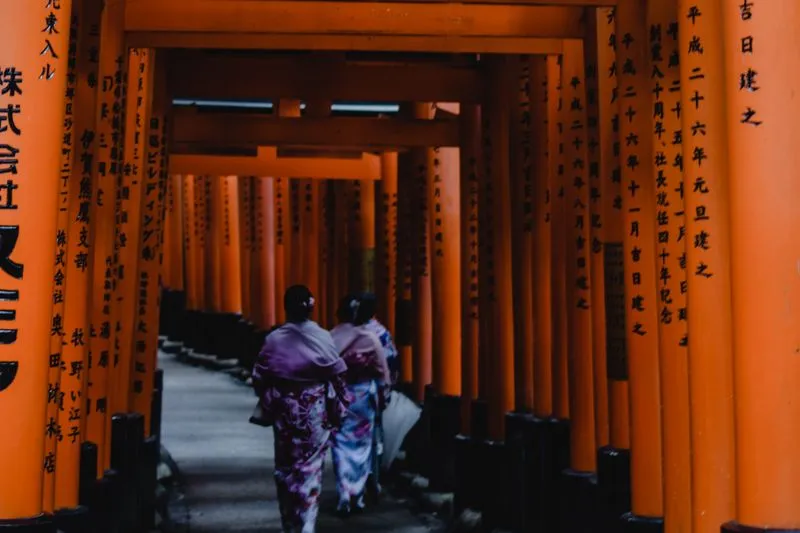
2. Tokyo, Japan — Japan ranks 17th on the Global Peace Index, and you feel it in the street. I've never found that same evening calm anywhere else, on the metro or down the side streets. The language barrier is offset by impeccable bilingual signage and an extraordinary culture of hospitality. Budget generously.
3. Copenhagen, Denmark — perfect cycling infrastructure, design everywhere, a laid-back atmosphere, in a country ranked 8th on the Global Peace Index. The only downside is the cost. According to Eurostat's 2023 price levels, Denmark was the most expensive EU country for household consumption (143% of the EU average). For restaurants and hotels, it rose to 152%.
4. New Zealand — the holy grail of long-haul solo travel for women. An established backpacker culture, jaw-dropping scenery, lovely people: the whole country seems designed for solo travellers. The flight from the UK is long and pricey, so save it for a trip of several weeks.
5. Barcelona, Spain — vibrant, cosmopolitan, with a brilliant food scene. The beaches break up the city walking. Safety is decent, but keep an eye on your bag on the metro and along Las Ramblas, as in any big tourist city.
6. Edinburgh, Scotland — yes, it counts, and for a first solo trip, a train from King's Cross is about as low-stakes as it gets. Compact, stunning and easy to cover on foot, with an Old Town that looks like a life-size Harry Potter set. The pubs are natural places to socialise: even alone, you won't be short of conversation for long.
7. Bali, Indonesia — Ubud draws huge numbers of women travelling solo, with its yoga classes, co-working spaces and healthy cafés. On the ground, your vigilance goes mostly on currency-exchange scams and scooter journeys. Once the flight is paid for, it's the gentlest destination on this list for your daily budget.
8. Montreal, Canada — bilingual, welcoming, with a food scene worth the trip on its own (Canada ranks 11th on the Global Peace Index). Summer runs on festivals; winter is a cocoon of warm cafés.
9. Vienna, Austria — spotless transport, extraordinary museums, legendary coffee houses, in the country ranked 3rd on the Global Peace Index. It's the ideal city if you're worried about being bored alone in the evenings. Between the opera, concerts and late-opening cafés, you'll have plenty to do.
10. Ljubljana, Slovenia — the hidden gem. A pedestrianised, green, human-scale centre. You can cover it in two days, then explore Lake Bled and the Julian Alps, on a budget far kinder than Vienna's or Copenhagen's.
| Destination | Country's Global Peace Index 2024 rank | Daily budget | Best for |
|---|---|---|---|
| Lisbon | 7th (Portugal) | Small | A first solo trip on foot, with well-run hostels |
| Tokyo | 17th (Japan) | Comfortable | Evening calm and bilingual signage |
| Copenhagen | 8th (Denmark) | The highest on this list | Cycling and design |
| New Zealand | 4th | Comfortable | A trip of several weeks, backpacker-style |
| Barcelona | 23rd (Spain) | Mid-range | Food and a beach in the city |
| Edinburgh | 34th (UK) | Mid-range | A compact city on foot, and pubs for a chat |
| Bali | 48th (Indonesia) | Small, once the flight is paid | Yoga and co-working in Ubud |
| Montreal | 11th (Canada) | Mid-range | Summer festivals in two languages |
| Vienna | 3rd (Austria) | Mid-range | Full evenings: opera, concerts, coffee houses |
| Ljubljana | 9th (Slovenia) | Small | A small city, then Lake Bled |
Safety on the ground: the habits that really matter
Eight habits do most of the work for your safety on a solo trip, and nearly all of them are free.
Read the FCDO advice before you book — the Foreign Office's travel advice pages cover safety and security, entry requirements, health risks and local laws for every country, and you can sign up for email alerts so any update lands in your inbox while you're away. The safety section of your destination's page is where the local risks are spelt out.
Share your location in real time — Google Maps lets you share your position with a trusted contact. Switch it on for the whole trip: if something goes wrong, someone knows where you are.
Trust your unease — if a place, a person or a situation makes you uncomfortable, even if you can't put your finger on why, leave. You don't owe anyone an explanation, least of all a stranger.
Learn key phrases in the local language — "no thank you", "leave me alone", "call the police" and "I'm meeting someone". Said in the local tongue, a "no thank you" lands straight away.
Dress for the context — this isn't about modesty or moral judgement, it's cultural adaptation. In South-East Asia or the Middle East, covering your shoulders and knees reduces unwanted attention, and it's often required to enter temples. In Europe, wear whatever you like.
Don't reveal you're alone — if asked, you're meeting someone. If asked where you're staying, stay vague.
Watch your drink — the FCDO's advice for women travelling abroad is blunt about it: don't leave drinks unattended, don't accept drinks from strangers, and seek help if you feel strange, sick or drunk after only a small amount. On a night out alone, it's habit number one.
Photograph the taxi's number plate — or the ride-hailing details, and send them to a contact. It takes three seconds and it leaves a trail.
Accommodation: where to sleep safely and comfortably
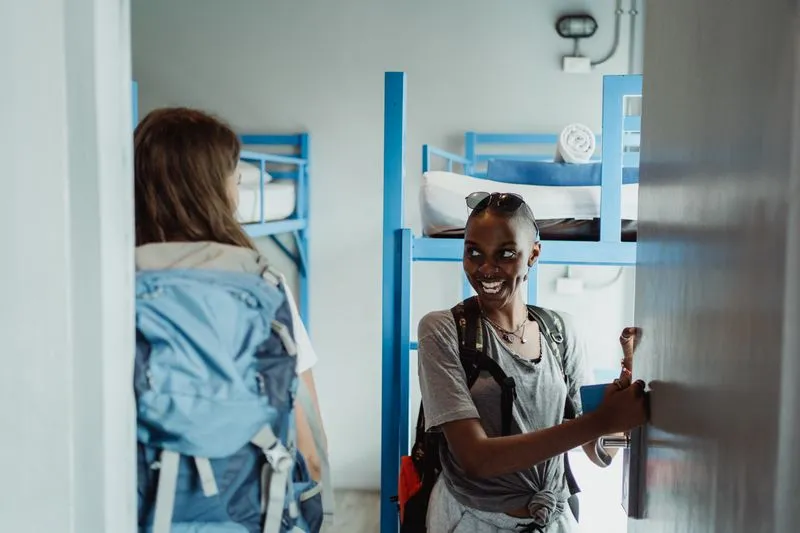
Hostels with female-only dorms are my number one pick for a first solo trip. You meet other women travelling in a secure setting, and on hostel booking sites, female-only dorms are listed as a separate room type. They're also the cheapest option by far.
Capsule hotels, mainly in Japan: many have women-only floors, and everything is designed for a quick, good night's sleep. The experience alone is worth it, for one night at least.
Airbnb rooms in someone's home (a private room, not an entire flat): you've got a local host who can give you tips. And you're never alone in the property.
Coliving spaces, for longer stays: you share common areas with digital nomads, in places designed for socialising, with a room of your own.
Essential apps for solo travellers
Your phone is your best safety and comfort tool. Here are the apps I install before every trip.
Maps.me — offline maps, essential when you've got no signal. Download the country map before you leave.
Google Translate — the camera function translates signs and menus in real time. Magical in Japan or Korea.
bSafe — a safety app with an SOS button, alerts to your contacts and live location.
Hostelworld or Booking.com — for last-minute accommodation with the right filters (female dorm, good ratings from solo travellers).
Rome2Rio — how to get from A to B anywhere in the world: bus, train, plane, ferry, with an idea of prices.
XE Currency — real-time currency conversion, so you know straight away whether the bureau de change is being straight with you.
Is solo travel more expensive? Not necessarily
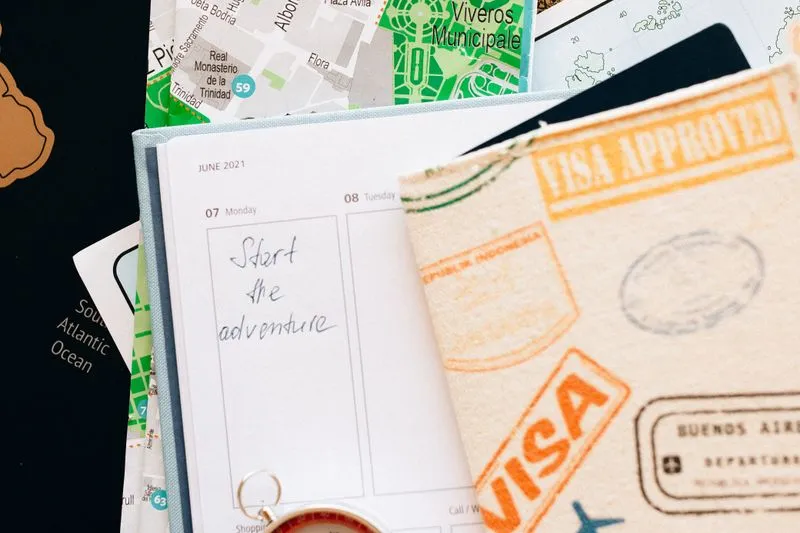
The "solo travel = more expensive" myth comes mostly from the hotel room. If you book a single room, yes, you're not splitting the cost. But if you choose a dorm, a room in someone's home or a coliving space, you often pay less than couples or groups.
What's cheaper solo: meals (you eat what you want, not the tourist trap your mate picked), everyday transport (you walk more and take local buses) and activities, because you only do what interests you. Taxis and transfers, on the other hand, don't split.
I won't give you a daily budget to the pound: prices move fast and depend on how you travel, somewhere between the woman in the eight-bed dorm and the one who swears by boutique hotels. Think in bands instead. Ljubljana, Lisbon and Bali (once the flight is paid) work on a small budget. Barcelona, Vienna, Edinburgh and Montreal need a mid-range one; Tokyo, New Zealand and above all Copenhagen call for a comfortable cushion.
For flights, book early and use Google Flights with flexible dates. Moving your departure by a day or two often shifts the price more than you'd expect.
Your first solo trip: the action plan
Right, you're convinced (or nearly). Here's the plan, step by step.
Step 1 — Choose an easy destination: in Europe, a short flight or a Eurostar ride away, somewhere you can get by in English. Lisbon, Barcelona, Amsterdam, Edinburgh — perfect to start. France is an easy first hop from the UK, and our coast-by-coast guide to the most beautiful beaches in France gives you plenty to fill a long weekend.
Step 2 — Book a return, not a one-way (too much pressure). A long weekend of three or four days is enough to get a taste without time to panic. If you're aiming for summer, book now: the best flights and the best dorm beds go first.
Step 3 — Book accommodation for the first night. The rest, you can improvise. But that first night must be sorted, because arriving in an unfamiliar city without knowing where you'll sleep is avoidable stress.
Step 4 — Make a list of five things to do. Not a minute-by-minute schedule, just five things that excite you. A gig can be one of them: festivals are brilliant on your own, and our pick of this summer's must-attend music festivals will help you plan your dates round a line-up.
Step 5 — Tell someone. Send your itinerary and accommodation details to someone you trust. Not so they can keep tabs on you — so that someone knows.
Step 6 — Go. It's the hardest part: the boarding gate, the racing heart. Download something for the journey (twenty must-listen podcasts for women, for instance), and then the plane takes off, and you realise you've done it.
Solo travel: the most common fears and their real answers
"What if I feel lonely?" You will, at moments, not all the time. Often at dinner on the first evening (if a table for one makes you tense, my guide to going out alone covers eating out on your own). And then you'll meet someone at the hostel breakfast, and the loneliness evaporates.
"What if I get robbed?" It can happen, just like at home. The basic precautions: copies of your documents in the cloud, cash split across several places, a money belt for your passport. If it happens, it's manageable, and the nearest British embassy or consulate is there to help you get home.
"What if I'm harassed?" Street harassment exists, more in some destinations than others. The habits: don't engage (a firm "no" is enough), wear headphones (even without music), join a group of women or duck into a shop if you feel threatened.
"My family will freak out." Probably (mine didn't even know I was going alone the first time, so I'm hardly one to preach). Send them a message every evening, share your location, and show them your plan: FCDO alerts, accommodation booked, a trusted contact. A plan reassures far more than a pep talk.
"I'll be bored." The most unfounded fear of all. When you travel solo, you do more than when you're with someone, because you don't wait for anyone, you don't hesitate, and your curiosity isn't held back by any compromise.
The regret I hear most often from women who've travelled solo is: "I should have done it sooner." So open your diary, pick a weekend in June and book the first night. The rest will follow.
Frequently asked questions
When's the best time for a first solo trip?
Whenever you feel like it. But for easy conditions: spring in Europe (April-May) or the very start of summer, when crowds are manageable and the weather is pleasant. Avoid August if you can (crowds, heat, high prices) and January (short days, grey skies, limited options).
Do I need specific travel insurance?
Yes. For Europe, start with a GHIC: the NHS page on the UK Global Health Insurance Card explains that it's free, lasts up to five years and gives you access to necessary state healthcare in the EEA and some other countries on the same basis as a resident. The NHS is also clear that it's not a replacement for travel insurance, and that you should avoid unofficial websites that charge a fee to apply. For everything else — repatriation, theft, long-haul trips — compare policies (World Nomads, True Traveller) and check what your bank account already covers.
How do I meet people when travelling solo?
Hostels (common areas, shared kitchens), free walking tours (an excellent way to meet other travellers), cooking classes, an app like Meetup, and simply being open: café terraces and public transport become natural meeting points when you're on your own.
What if I have a serious problem abroad?
Contact the nearest British embassy, high commission or consulate. In an emergency anywhere in the EU, dial 112: it's the European emergency number, free of charge from landlines and mobiles. Outside the EU, don't rely on 112 alone: note your destination's local emergency number from its FCDO travel advice page before you fly. And share your location with your trusted contact.
Is solo travel dangerous?
Not in itself. The risk depends mostly on the destination, the neighbourhood, the time of day and your habits on the ground, far more than on being alone. Common-sense precautions (FCDO alerts, location sharing, well-reviewed accommodation, trusting your unease) reduce your exposure a great deal, and starting with an easy destination gives you time to find your feet.
Do I need to speak the local language to travel solo?
No. English will get you by in most tourist destinations, and Google Translate's camera function helps with menus and signs. A few words in the local language — hello, thank you, sorry — still go a long way, and a smile and gestures communicate a lot. Don't let the language barrier stop you from going.
Sources
- Institute for Economics & Peace — Global Peace Index 2024
- Eurostat — Household consumption: price levels in 2023
- GOV.UK — Foreign travel advice (FCDO)
- GOV.UK — Advice for women travelling abroad
- GOV.UK — Using your mobile in EU and EEA countries
- NHS — Apply for a free UK Global Health Insurance Card (GHIC)
- European Commission — 112, the EU's emergency phone number