Mid-May, first proper sunshine of the year. Your jeans are sticking to your legs. You open the wardrobe and there it is — the summer dress, crumpled at the back since September, wedged between two jumpers, an empty beach bag and one orphaned flip-flop. You pull it on and suddenly — air moves, your legs breathe, you feel instantly lighter (entirely psychological, but who cares).
In May, the rails mix everything: lace babydolls, long ruffled dresses, crumpled linen, flowers the size of dinner plates. No single silhouette crushes the rest, and that's good news for you. The spring/summer shows set the tone last autumn (I went through the pieces that mattered in my 10 runway pieces for spring/summer 2025); here, it's dresses only, the ones you'll wear to the pub garden, the office and the Saturday market. And if you've ever wondered how a catwalk look ends up in your wardrobe, I wrote my guide to adapting runway trends for everyday life.
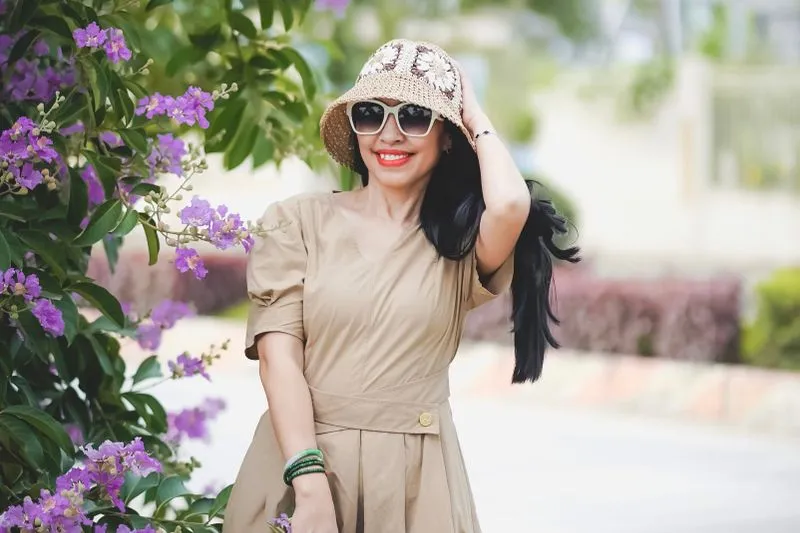
The 8 summer dress trends for 2025
- Natural fabrics that breathe (cotton, linen) — worn loose and airy
- Florals, from ditsy to wallpaper-scale — and their cousin, the polka dot
- The boho maxi — floor-length, thin straps, ruffles, fringing, movement
- Crochet and broderie anglaise — controlled transparency, artisanal texture
- The slip dress — satin or lace, layered over a white tee
- The lace babydoll — short, pastel, a bit rock 'n' roll
- The oversized shirt dress — worn as a dress or open over a swimsuit
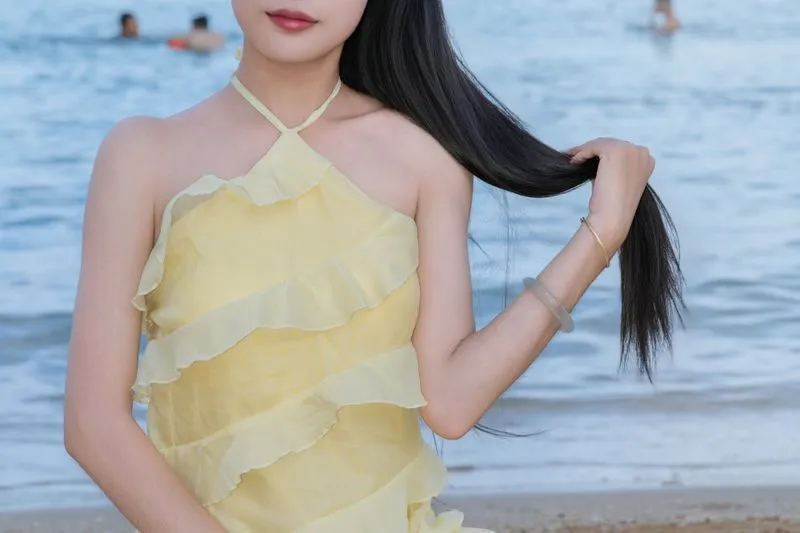
- Butter yellow — the soft shade that lifts everything else
Numbers 2, 3 and 8 come straight off the spring/summer 2025 catwalks, as reported by the British fashion press; the rest are my own picks, tested in my own wardrobe. I'll tell you where each one comes from as we go.
Linen and cotton dresses: fabrics that breathe
Linen and cotton are both plant fibres: linen is taken from the stalk of the flax plant, cotton grows around the seeds of the cotton plant. On the composition label, one line tells you how much of each your dress actually contains.
Linen: lightweight, it lets air through and wicks away sweat. That's not just a feeling. In the 2014 Comfort and Performance Study run by the CETELOR laboratory at the University of Lorraine for the Alliance for European Flax-Linen & Hemp, linen was tested against cotton, viscose and polyester (100% each) and came out as the most permeable to air and to water vapour. The study was commissioned by the linen industry itself, so bear that in mind — but it matches what anyone in a linen dress on a sweltering afternoon already knows. Its only "flaw" — creasing — has become its signature. Brands lean into it now: oversized cuts where the creases look intentional rather than careless.
The linen colours I keep seeing this summer: off-white, natural ecru, burnt terracotta, washed khaki. The palette runs warm and earthy — which makes sense, since Pantone made a brown its Colour of the Year for 2025.
Cotton: more structured than linen, available in a thousand textures (poplin, voile, chambray, broderie anglaise, smocked). The cotton poplin dress with a Peter Pan collar or smocked bodice comes back every summer. Cotton voile — ultra-lightweight — gives the most beautiful maxi dresses of the season: lightness and movement in equal measure.
The shirt dress (number 7 on my list): in my view, the easiest of the eight to wear. In cotton poplin it looks crisp from the first coffee; in linen it creases, and that's the point. Go for a relaxed cut that hits the knee or mid-calf, then wear it two ways: belted at the waist with a thin leather belt for the office, or unbuttoned over a swimsuit as a cover-up at the beach. An oversized shirt dress that stops at mid-thigh, though, is really just a long shirt — keep that one for the sand.
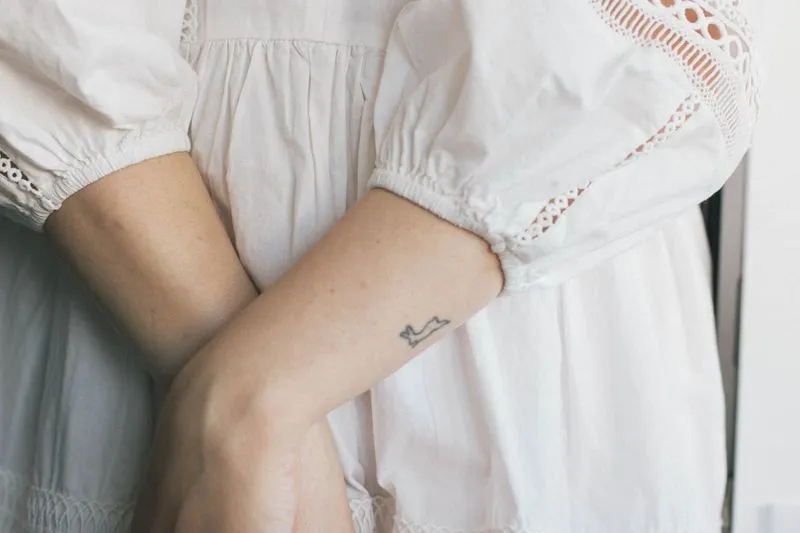
A secondhand linen dress has one advantage: it has usually lost the stiffness of its first few washes. On Vinted, search "linen dress" with your size and filter for "very good condition". For new, my linen brands are all in where to buy a summer dress in the UK, new or secondhand.
Floral dresses for summer 2025
Flowers, always flowers — in every size this season. At London Fashion Week, HELLO!'s round-up of the SS25 trends filed Emilia Wickstead's "wallpaper style florals" (satin dresses, slinky midi skirts, matching two-piece sets) under ditsy florals. My own eye goes bigger: the florals I'd buy this summer are large, saturated, graphic, sometimes almost abstract.
Three distinct directions for florals this summer:
Tropical florals: giant hibiscus, exotic foliage, green and red palette. Worn as a long oversized dress or a mini bustier.
Retro 70s florals: dahlias, daisies and roses rendered in mustard, rust and cream. The Liberty prints reference. Worn as short dresses with puffed sleeves and pointed collars.
Monochrome florals: same colour, different floral textures — white on white, navy on cobalt. Chic and modern, less obvious than multicolour.
And if flowers aren't your thing, dots are. When Sydney Sweeney wore a bustier polka-dot midi dress in Paris in March, HELLO! described the polka dot as "SS25’s most notable pattern". Same rule as florals: the print does the talking, the cut stays clean.
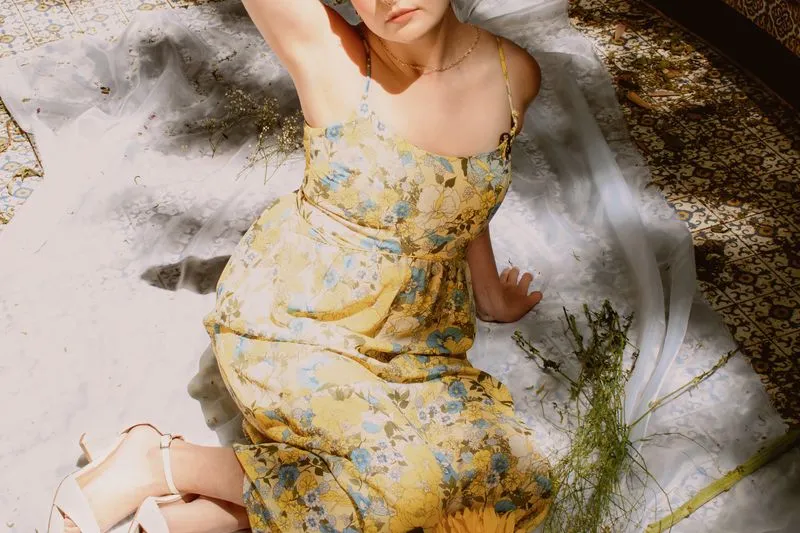
Mini or maxi dress in 2025?
Both, and it's the midi that takes a back seat. Every summer reignites the mini-versus-maxi debate; this year, my advice is to pick a side properly rather than hedging somewhere in between.
The mini is being worn short — really short. Not midi, not knee, but thigh. The mini dress is unapologetic this year: crinkled cotton, jersey, slippery satin. It comes back every summer (it never really left), often paired with flat mules or low sandals rather than heels — which changes the entire visual balance. Its most 2025 version is the lace babydoll: short, pastel, a little bit indie sleaze — the mid-2000s indie-gig look, which to my eye is due another round.
The maxi is perhaps the real defining trend of this summer. Floor-length, thin straps or wide sleeves, fabric that moves. And it's gone boho: ruffles, lace, fringing. At Paris Fashion Week, Stylist's round-up of the SS25 shows found fringing everywhere, citing "Dior’s bohemian dresses inspired by warrior women of ancient mythology" alongside more deconstructed takes at Alainpaul and CFCL. The long summer dress of 2025 isn't an evening dress — it's a daytime dress that trails on the terrace. Shop it in white, ecru, navy or soft floral.
And the midi? It never really disappears (those satin midis are still everywhere), but it's the least "trend" length in my round-up. If you want a dress that says 2025, go clearly mini or clearly maxi. If you want one that lasts several summers, the midi is still a safe bet.
Crochet and broderie anglaise dresses
Crochet came back a few summers ago and it's still here. This year, on the rails I've been through, it's grown up: less acrylic hippie-style crochet, more natural cotton, geometric stitching, net-style dresses worn over a swimsuit or a bodysuit.
What's working with crochet this summer:
- The maxi crochet dress in white or natural, worn as a transparent beach cover-up over a one-piece swimsuit
- The mini crochet with a visible underlayer (satin bralette or bodysuit) — transparency on purpose
- The mid-length crochet dress with a thin belt to define the waist
Broderie anglaise is its more demure but equally desirable cousin. White cotton pierced with small embroidered holes that form flowers: skin shows through here and there, never all at once. The broderie anglaise dress works as well for daytime as evening, with sandals in summer or ankle boots come September.
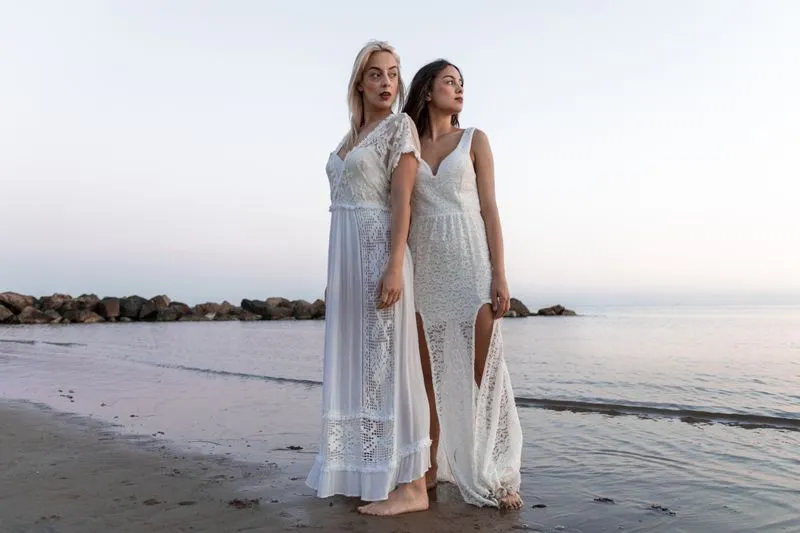
The slip dress, reinvented
The slip dress — that lingerie-inspired satin style with thin straps — is one of the defining silhouettes of the 90s, and designers have kept returning to it ever since. I'm not sure it ever left: I'm still wearing mine layered over a white tee.
This season, its reinvention happens on two fronts:
Layering: the slip dress is no longer worn alone. It goes over a plain white T-shirt, an open shirt, or a fine knit in winter. This styling turns what was a nightwear piece into a full daytime look without losing any of its allure.
Democratised fabrics: the real slip dress is silk or silk satin — and you pay for it. But polyester satin versions (ASOS, Zara) and viscose satin ones are now easy to find at accessible prices. The result is very close to silk if the cut is good — as long as you treat these delicate fabrics with care: hand wash or a delicate cycle, as the label says.
My favourite slip dress colours: jewel tones — ruby, emerald, sapphire, amethyst. Plus the eternal classics: black, white, champagne, nude. This summer, I'm adding butter yellow, the soft shade of the season.
Summer dress colours for 2025
Pantone named PANTONE 17-1230 Mocha Mousse its Colour of the Year 2025 — a warm brown somewhere between coffee and chocolate. I've already taken the butter yellow + chocolate brown pairing apart piece by piece in my 10 runway pieces for spring/summer 2025; here, we're talking dresses. On a summer dress, brown is a surprise, and yet it works in linen or cotton with gold sandals. The catwalks went softer too: HELLO!'s London Fashion Week report noticed fewer bold, bright shades. "Think along the lines of sage, dusky pink, pastel blue, buttery yellow and earthy hues."
The must-haves of summer 2025:
White and ecru: always. Not bright optical white for daytime (it dazzles and shows what's underneath), but eggshell, off-white, natural ecru. The white summer dress is an absolute wardrobe essential.
Terracotta, rust and brown: warm, earthy, flattering on many skin tones. Very present in linen and cotton collections, and right in the Mocha Mousse spirit.
Butter yellow: soft and creamy rather than sunflower. On a dress, it isn't reserved for pale skin — golden, olive and deep skin tones carry it beautifully.
Cobalt and Majorelle blue: my favourite for a summer dress — a cool blue, right in my palette (mustard, my favourite colour full stop, isn't). It's not the most talked-about shade of the season, but a cobalt dress never dates.
Washed khaki and sage green: more understated, for those who don't want vivid colour. Very chic with white or ecru.
How to choose your summer dress
A summer dress is chosen in three steps: what it's for, your main constraint, then a test in motion.
Step 1: Identify your use case
What do you need a dress for? The beach and a pub garden? The office in summer? Evening events? A friend's wedding as a guest? The needs are different. A lightweight crinkle beach dress is not a wedding guest dress (weddings have their own rules, and I've gathered them all in my wedding guest outfit guide). An office dress needs to be opaque and not too short. List your use cases before you start shopping.
Step 2: Identify your main constraint
Budget? Body shape? Skin tone? Height? Most of us have one dominant constraint that should guide the choice. If your budget is tight, focus on one good dress rather than three mediocre ones. If dresses tend to fit oddly on your hips, find the cut that works first (my guide to dressing for your body type helps you spot it), then apply the trend on top.
Step 3: Try it in motion
Wear the dress, walk around the shop, go up a step, sit down. A summer dress is worn in motion — at a farmers' market, cycling, at a rooftop bar. If it restricts you in the changing room, it'll restrict you far more after 8 hours of wear.
Where to buy a summer dress in the UK, new or secondhand
Where to find good linen on the British high street: Boden (the classic British choice), Arket (Scandi minimalism, clean cuts), Uniqlo (linen basics at high-street prices), Next (decent affordable options), White Stuff (relaxed shapes), Fat Face (casual). For premium: ME+EM, Whistles.
For prints and florals: Zara (trend-reactive, massive choice), ASOS (enormous range, good floral selection), & Other Stories (editorial, fashion-forward), Monsoon (florals are their bread and butter), Oliver Bonas (British, gorgeous prints).
For lasting pieces: Arket (minimalist and timeless), Whistles (investment pieces), Toast (beautiful natural fabrics, considered design), L.K.Bennett (smart, classic), Seasalt Cornwall (durable, Cornish-designed).
For circular fashion: Vinted (gems if you know how to filter), Depop (vintage and trend-led), eBay (surprisingly good for secondhand quality pieces), local charity shops (the ones in well-heeled areas can be remarkable).
Washing and storing summer dresses
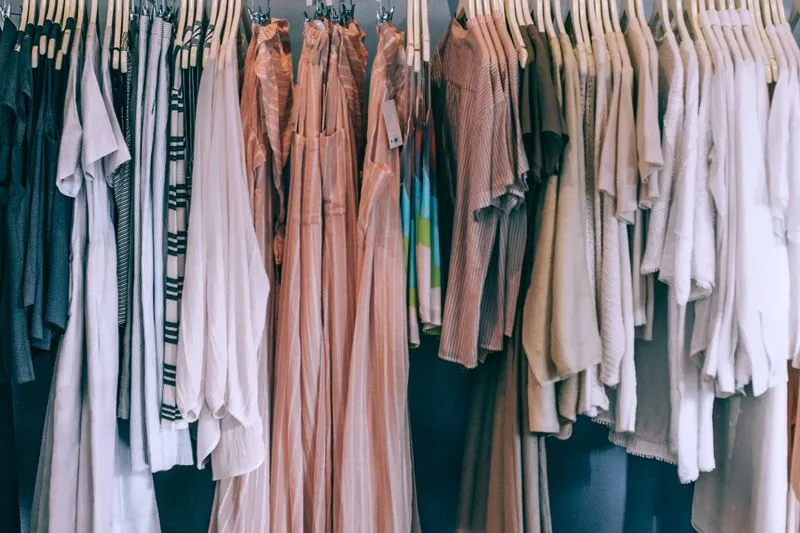
A summer dress lasts longer if you read its care label before every wash; if there isn't one, fall back on these basics:
Linen: machine washable at a low or medium temperature, delicate cycle. Air dry — no tumble dryer (it shrinks and stiffens). Steam iron if needed, or wear it crinkled. Linen copes well with frequent washing as long as you don't rough it up.
Cotton voile and chiffon: delicate cycle, cold or close to it. Very fine cotton voile can distort in the machine — hand wash if you want to preserve the shape. Dry flat, not hanging (the weight of the water pulls it out of shape).
Satin and slip dresses: hand wash in cold water or use a silk cycle. Never wring — press gently in a towel. Dry flat. Real silk should be kept out of direct sunlight (it can yellow).
Cotton crochet: delicate cycle, dry flat. Crochet stretches if hung up wet.
For off-season storage: dresses in cotton garment bags (not plastic, which traps moisture), washed and fully dry before they go away, out of direct light. White dresses can yellow in direct sunlight or when stored in plastic bags.
3 complete summer looks
Look 1 — The sunny beer garden
Ecru linen maxi dress, gently crinkled + flat leather sandals + woven raffia bag + oversized tortoiseshell sunglasses. Hair in a low bun or loose plait.
Look 2 — The country weekend
Short white broderie anglaise dress + natural leather ankle boots + wicker basket bag + oversized denim shirt tied around the shoulders.
Look 3 — The summer evening in the city
Butter yellow or cobalt satin slip dress + gold heeled mules + gold mini clutch + delicate gold jewellery (earrings, bracelet, signet ring). Hair down. Two beauty products max — lip gloss and mascara.
Frequently asked questions
What summer dress suits petite women best?
Two main rules: avoid midi length (knee to calf), which cuts the silhouette at the worst possible point, and favour vertical lines or elongating details. Both mini and maxi work — the mini visually lengthens the legs, the maxi creates a fluid vertical line. Empire-waist styles are also excellent. Check the petite ranges of the big high-street names too: the proportions are cut for a shorter frame. Avoid horizontal ruffles and wide belts in the middle of the dress.
How do you wear a summer dress to work?
Summer dresses for the office need a few adaptations: knee length at minimum (midi is safer), full opacity (lined or non-transparent fabric), no deeply plunging neckline or fully bare shoulders. To adapt: add a lightweight blazer, a denim jacket or a fine cardigan. Subdued colours (white, navy, ecru) work better than very vivid prints in most workplaces. A structured linen or cotton poplin dress is ideal. Personally, I wear 8-denier tights under my summer dresses at the office (which ones: my tights guide): invisible, but they make all the difference to comfort.
What shoes go with a long summer dress?
The maxi summer dress goes with flat sandals (dressed-up flip-flops, leather sandals), flat or slightly wedged mules, and espadrilles. Heels are possible but less practical for a full day. Closed shoes (trainers, ankle boots) work with maxi dresses if you choose one with a slit or a neckline that balances the look. Avoid cheap plastic flip-flops with a beautiful dress — they undercut everything else.
Are summer dresses flattering on curvy women?
Absolutely — and they're often the most flattering piece of the summer when you have curves. Empire waists, flowing viscose or chiffon styles, wrap dresses with ruching — all of these work. UK names worth a look: ASOS Curve, Yours Clothing and Simply Be. Avoid very tight elastic waistbands and highly structured styles that compress without supporting.
Can fair-skinned women wear white?
Yes — but the shade of white matters. Bright optical white can create a "ghost" effect on very fair skin. Instead, opt for off-whites: ecru, cream, linen white — which create a soft contrast and warm the complexion. The other trick: colour in your accessories (coloured sandals, gold jewellery, a bright bag) breaks up the total monochrome effect and draws attention to the face.
How can you tell a summer dress is well made?
A well-made summer dress shows it in four places: the composition (mostly natural fibres), the inside seams, the hem and the lining. Turn it inside out: straight, finished seams, an even hem and a lining that doesn't pull are good signs. A well-finished cheap dress beats a badly cut expensive one. On Vinted, ask for a photo of the composition label before you buy: the listing title isn't enough.
How do you prevent inner thigh chafing in a summer dress?
Solutions: wear a shortie or cycling shorts underneath (the simplest fix), use an anti-chafing balm or stick (you'll find them at the chemist or in sports shops), or opt for longer dresses with a flared cut that leaves the legs free to move. Soft jersey dresses also help, because they move with you rather than riding up.
Sources
- HELLO! — 8 fashion trends we noticed at London Fashion Week SS25
- Stylist — Paris Fashion Week SS25: 5 key trends to know now
- HELLO! — Sydney Sweeney's polka dot bustier dress is a major spring trend
- Pantone — Pantone Introduces Pantone Color of the Year 2025: PANTONE 17-1230 Mocha Mousse
- GOV.UK — Textile labelling
- Alliance for European Flax-Linen & Hemp — Flax fibre: performance and properties