If you've ever eaten an unseasoned quinoa salad telling yourself "it's good for me", then reached for a bag of crisps 45 minutes later — you're not alone, and you're not lacking willpower. The problem is that healthy eating has been sold to us as an act of self-denial, a punishment, a beige plate with the joy removed. That's a lie. Miso-glazed salmon with rosemary-roasted sweet potatoes is healthy, and it's also delicious. The two are not mutually exclusive — and the first British asparagus of May is the best proof.
Eating well in Britain has rarely been easier or more interesting. Ottolenghi put Middle Eastern flavours on ordinary kitchen tables, and miso and tahini now sit on the shelves of mainstream supermarkets rather than specialist shops. The idea that health food means the rice cakes and low-fat spread of the 1990s is well and truly finished. Several recipes in this article are built around asparagus, radishes and new-season carrots.
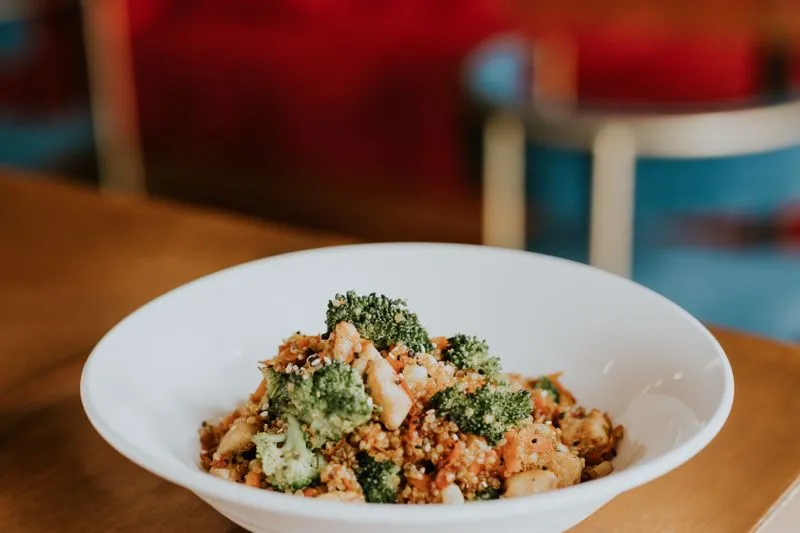
The Myth That Healthy Eating Has to Be Boring
This myth has a fairly clear origin: the low-fat, calorie-counting diet culture of the 1980s and 90s. Cottage cheese. Ryvita without butter. Salad without dressing "because fat makes you fat". What those approaches left behind, more than anything, was a stubborn mental association between nutrition and punishment — and many of us still carry it.
The deprivation of 1990s diet culture has simply changed costume: green juices and short cleanses have taken the place of dry Ryvita. If you're tempted by one anyway, here's what a detox can and can't do for your body, and what's pure marketing.
The official guidance says something quite different. The NHS page on the Eatwell Guide is built on proportions rather than bans: fruit and vegetables make up just over a third of what we eat each day, starchy foods just over a third, with protein, dairy and small amounts of oil making up the rest. And it adds a line I wish every diet book had printed: "You do not need to achieve this balance with every meal, but try to get the balance right over a day or even a week." A generous dinner cancels nothing.
Pleasure, then, isn't a luxury — it's what makes a habit last. We keep doing what we enjoy and quietly abandon what makes us miserable. That's the thread running through our evidence-based strategies for sticking to a diet long-term, and it's even more true when the goal isn't weight loss but simply eating better.
The real good news is the return of flavour. Mediterranean, Japanese and Indian cooking, which give pride of place to vegetables, pulses and spices, are anything but bland. That's no coincidence. Olive oil, spices, fermented foods, fresh herbs: these long-standing traditions are, first and foremost, ways of giving simple ingredients real flavour.
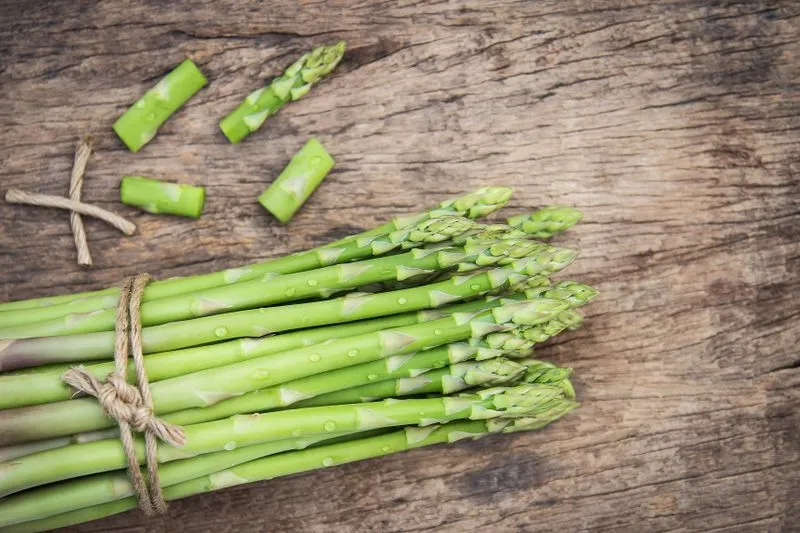
The Foundations of Flavourful Cooking
Good-for-you food becomes full of flavour through four levers: the Maillard reaction, acidity, umami and texture. None of them needs special equipment, and each one applies to the recipes in this article.
The Maillard reaction. When you roast vegetables in a properly hot oven (200°C, say), sugars and amino acids react with each other and create a whole range of new aromatic molecules. This is the Maillard reaction — the difference between a boiled carrot, which tastes of very little, and a roasted carrot, which turns caramelised and nutty. Same vegetable, radically different result.
Acid. Lemon juice, balsamic vinegar, sumac, tamarind — acids "lift" every other flavour in a dish. A salad without acidity is flat. Add a squeeze of lemon to any savoury dish and every other flavour becomes more vivid. It costs almost nothing, takes two seconds and adds next to no calories.
Umami. The fifth taste — alongside sweet, salty, bitter and sour — is the flavour of depth, of "I can't explain why this is so good." It's naturally present in tomato purée, dried mushrooms, miso, soy sauce, parmesan and anchovies. One caveat: most of these are already salty, so they should replace the salt in a dish rather than join it.
Texture contrast. A dish that's texturally monotonous is disappointing even if it tastes good. Combine soft with crunchy: roasted vegetables with toasted seeds, creamy yoghurt with juicy fruit, slow-cooked lentils with crispy shallots. Texture is the forgotten half of a satisfying meal.
Breakfasts Worth Getting Out of Bed For
A good breakfast is judged by what's in the bowl, not by the "low-fat" label on the packet. Low-fat yoghurt with a very sugary shop-bought muesli looks virtuous — yet it's nothing like a balanced breakfast. The recipes that follow are, and each one has real flavour.
Three-ingredient banana oat pancakes. One ripe banana, one egg and 40g of rolled oats: blend, fry, done. They come out fluffy and naturally sweet from the banana, with fibre and protein in every bite. Top with berries and a drizzle of almond butter, and you have a breakfast that feels like a treat.
Avocado toast with smoked salmon. Toasted sourdough rye, avocado mashed with lemon juice and a pinch of chilli flakes, smoked salmon, dill. Ten minutes. Omega-3 from the salmon, good fats from the avocado, fibre from the rye. You'll find smoked salmon everywhere from M&S to Lidl, which makes this a realistic weekday option rather than a Sunday one.
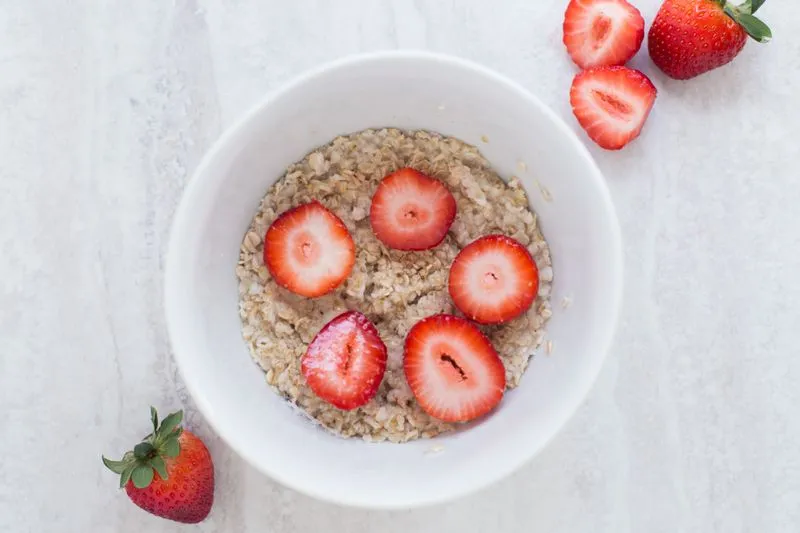
Strawberry overnight oats. The evening before, in a jar: 50g rolled oats, 150ml milk (or oat drink), two tablespoons of Greek yoghurt and a tablespoon of chia seeds. In the morning, add a handful of early British strawberries, halved (or a spoonful of roasted rhubarb), and a little lemon zest. Ripe strawberries are sweet enough that you won't miss the honey, and the whole thing takes five minutes the night before.
Satisfying Lunches That Keep You Going
A lunch that lasts until the evening combines a wholegrain starchy food, a protein and enough flavour that you're not eyeing up your colleague's crisps. It decides whether your afternoon happens at your desk or on the way to the vending machine at 3pm. Eating al desko doesn't have to be depressing.
Miso salmon buddha bowl. This is the dish that converts sceptics. Start with a base of brown rice or quinoa, then add salmon roasted with a miso-honey-ginger glaze (10 minutes at 200°C, long enough for the miso to caramelise at the edges), edamame, sliced avocado, cucumber and sesame seeds. For the dressing, mix soy sauce, rice vinegar and toasted sesame oil. It tastes like a Japanese restaurant, with omega-3 (salmon is an oily fish), protein and fibre in the same bowl — something you look forward to eating.
Warm asparagus salad with soft-boiled egg, peas and radishes. This is May on a plate. Snap the woody ends off a bunch of British asparagus, cook the spears for 4 minutes in salted boiling water and add a handful of peas for the last minute. Meanwhile, boil two eggs for 6 minutes, then run them under cold water. Arrange everything over baby spinach with thinly sliced radishes, a few warm Jersey Royals — halved, skins on — to make it a proper lunch, and a miso-sesame dressing (white miso, rice vinegar, toasted sesame oil). The runny yolk mixes with the dressing and coats the asparagus: a second sauce for no extra effort.
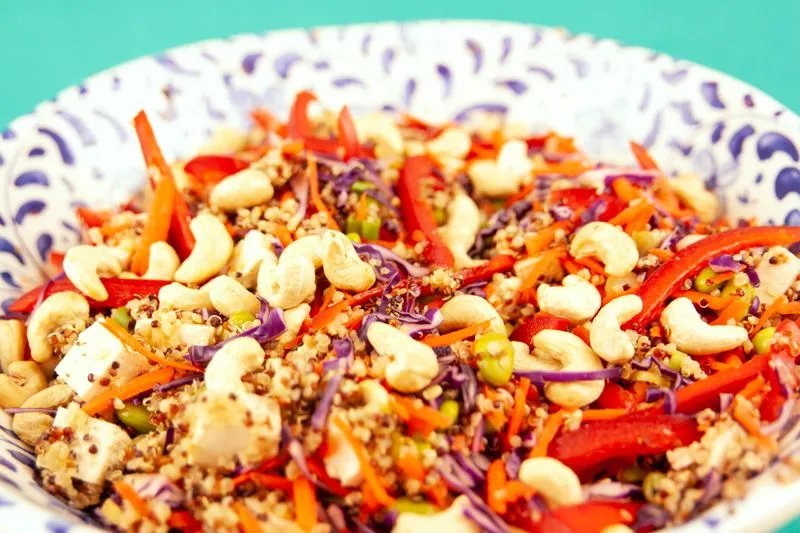
30-Minute Healthy Dinners: a Hot Oven, Pulses and Spices
A comforting dinner comes down to a hot oven, a pulse and some spices. After a long day, nobody wants to wrestle with a complicated recipe — you want something hot on the table, fast. These dishes take about half an hour each, oven time included, and they're good enough to make again next week.
Roasted new-season carrots with cumin, feta and chickpeas. Scrub a bunch of new-season carrots, leave them whole and unpeeled (halve any fat ones lengthways) and toss with olive oil, rosemary, cumin, salt and pepper. Roast for 25 minutes at 200°C, adding drained chickpeas for the last 5 minutes so they crisp up. Serve over rocket with crumbled feta and a drizzle of honey. The feta softens on the hot carrots, the rocket brings a peppery edge, and you get vegetables, pulses and fibre on one plate.
Hazelnut and preserved lemon crusted cod. Blitz 50g of hazelnuts with preserved lemon zest, wholemeal breadcrumbs, olive oil and parsley. Press onto cod fillets and bake for 15 minutes at 180°C. Serve with British asparagus, roasted for 10 minutes at 200°C and finished with lemon. It looks like a restaurant plate — and cod, a white fish, brings plenty of protein for very little fat.
Spring vegetable and coconut curry. New-season carrots, peas (fresh or frozen), chickpeas, coconut milk, vegetable stock, curry powder, turmeric, ginger and a pinch of cinnamon. Simmer for 20 minutes and stir in a handful of baby spinach just before serving, with basmati rice on the side. The spices do the heavy lifting, and spring vegetables, sweeter and more tender than their winter cousins, barely need any help. A bowl of this on a chilly May evening is the opposite of sad, joyless eating.
Smart Snacks to Prevent the 4pm Collapse
Snacking isn't the problem — what we snack on is. Crisps and chocolate biscuits are fine now and then, but they rarely carry you through to dinner, and they tend to be what we grab on autopilot. The solution isn't to stop snacking. It's to have something better ready.
Salted edamame. Buy them frozen: they keep for weeks and cook in no time. Boil for 5 minutes, sprinkle with sea salt flakes, and eat them by popping the beans out of the pods. Plant protein, fibre and B vitamins — and, to my taste, far more filling than a packet of crisps. You'll find them in the freezer aisle of most big supermarkets.
Homemade hummus with crudités. Shop-bought hummus is fine, but homemade is on another level. Blend chickpeas (tinned is fine), tahini, lemon, garlic, cumin, olive oil and ice-cold water until silky. Serve with carrot and cucumber batons, celery and a bunch of spring radishes — fibre, plant protein and good fats in one bowl.
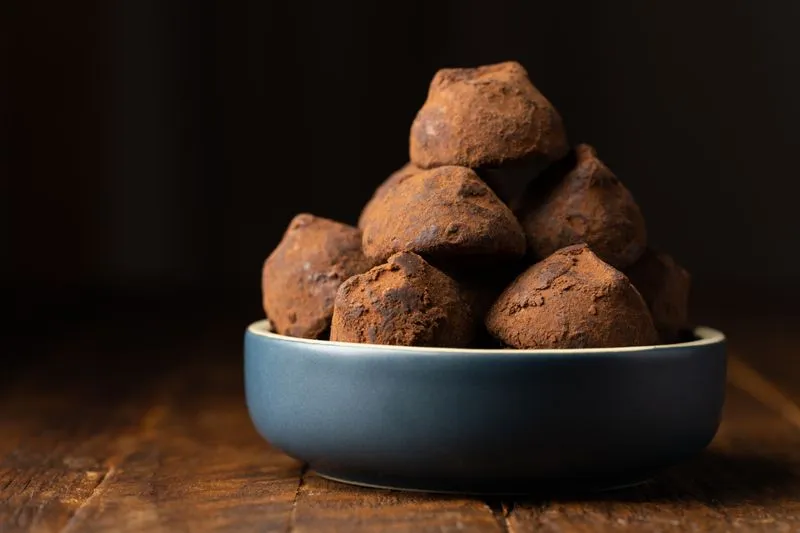
Cacao and hazelnut energy balls. Blend 100g Medjool dates, 60g hazelnuts, 30g unsweetened cocoa powder, a pinch of salt and a teaspoon of vanilla extract. Roll into balls, coat in cocoa and refrigerate for 30 minutes. They taste like chocolate truffles and contain no added sugar — but blended dates work like a fruit purée, and the NHS counts the sugars in purées as free sugars, so two balls, not six. A good 4pm snack.
Sauces and Dressings: The Secret to Food With Flavour
If there's one piece of advice that will transform your everyday cooking, it's this: work on your sauces. A plain grilled chicken breast is dull. The same chicken with a preserved lemon and tarragon sauce, a tahini-ginger dressing or a bright salsa verde is a different meal entirely.
Universal tahini sauce. 3 tablespoons tahini, 2 tablespoons lemon juice, 1 tablespoon water, 1 small grated garlic clove and salt. Whisk. It goes on roasted vegetables, falafels, wraps, salads and grain bowls, and keeps for a few days in a sealed jar in the fridge. On hot roasted carrots, it's frankly addictive.
Miso sesame dressing. 1 tablespoon white miso, 2 tablespoons rice vinegar, 1 tablespoon toasted sesame oil, 1 tablespoon reduced-salt soy sauce and 1 teaspoon grated ginger. Shake in a jar. On any slaw, grated carrot salad or raw vegetable dish, it's transformative.
Argentine chimichurri. Flat-leaf parsley, garlic, fresh red chilli, dried oregano, red wine vinegar and olive oil, roughly blitzed. It's the classic partner for grilled meat, but it's just as good on roasted vegetables, griddled asparagus or fish. The olive oil and fresh herbs do all the work.
Meal Prep Done Right: A Week of Good Food Without Boredom
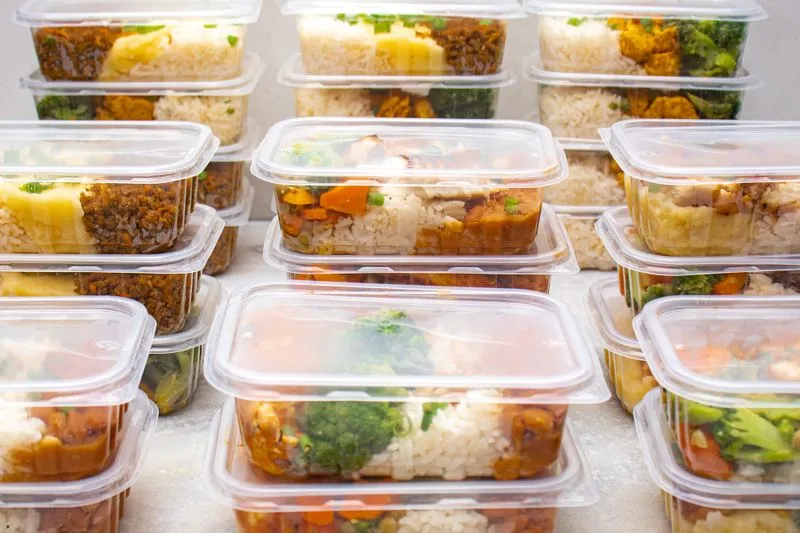
Meal prep — cooking in batches at the weekend so you have components ready — is as much a resistance strategy as an organisational one. When you come home exhausted and hungry, what you eat is rarely what you'd choose with a clear head. Having good bases in the fridge removes the 9pm delivery app temptation.
The key to meal prep that doesn't bore you: prepare components, not finished meals. Cook a big batch of quinoa on Sunday, eat some in a bowl on Monday and in a stir-fry on Tuesday, and freeze the rest in portions for a soup later in the week. That's three different meals from one preparation.
Bases to prepare: one grain (quinoa, pearl barley, bulgur wheat), one pulse (lentils, chickpeas, black beans), one protein (roast chicken, boiled eggs, marinated tofu), a variety of roasted vegetables and one or two sauces. With these five elements, you have dozens of possible combinations.
The Essential Storecupboard for Flavourful Cooking
Good home cooking doesn't require extraordinary weekly shopping trips. It requires a well-considered storecupboard. These are the ingredients that transform any simple base into something worth eating.
Cupboard: tahini, white miso, reduced-salt soy sauce, rice vinegar, balsamic vinegar, good extra-virgin olive oil, toasted sesame oil (a few drops perfume a dish), ground cumin, turmeric, ground ginger, cinnamon, sumac, chilli flakes, rolled oats, quinoa, red lentils, tinned chickpeas, chopped tomatoes, light coconut milk, good vegetable stock.
Fridge: lemons (always), garlic (always), fresh ginger (it freezes brilliantly grated), Greek yoghurt, soft goat's cheese, fresh herbs (parsley, coriander, basil depending on the season), free-range eggs, unsalted almond or peanut butter.
Freezer: edamame, petits pois, frozen berries, spinach, fish fillets, chicken thighs. The freezer is the unsung hero of quick, balanced cooking, and frozen vegetables are not second best: the NHS guide to what counts towards your 5 A Day states that "80g of fresh, canned or frozen fruit and vegetables counts as 1 portion of your 5 A Day". They count, and they rescue the evenings when the fridge is empty.
Frequently Asked Questions
Does healthy eating really cost more?
This is the most common objection — and it's partly true. Some products sold as "superfoods" (goji berries, spirulina powder) are expensive. But the foundation of a balanced diet — pulses, whole grains, seasonal vegetables, eggs — remains among the most affordable food there is. A bag of red lentils makes several meals for two, and a tin of chickpeas is the base of dozens of recipes. Compare the price per kilo on the shelf label rather than the price of the pack: that's the comparison that tells you what you're really paying.
Which spring vegetables should I buy in May, and how do I cook them?
In May, British asparagus is in season, along with radishes, spring greens and new-season carrots, and Jersey Royals are in the shops. Roast asparagus for 10 minutes at 200°C with a little olive oil and finish with lemon; slice radishes raw into salads, or halve them and pan-fry them in a little butter for 3 minutes, which softens their heat. Shred spring greens and stir-fry them for two or three minutes with garlic and a splash of reduced-salt soy sauce. Jersey Royals only need boiling in their skins, then a little butter and mint — but they are potatoes, and the NHS page on what counts towards your 5 A Day explains that potatoes don't count, because they're eaten as the starchy part of the meal. The same page suggests leaving the skins on to keep more of the fibre, which suits Jersey Royals perfectly.
Are sugar substitutes in healthy recipes really better?
Less than you'd think. Honey, agave syrup and coconut sugar have a better reputation than white sugar, but the NHS treats most of them the same way. Its page on how sugar in our diet affects our health counts "Sugars in honey, syrups (such as maple, agave and golden)" as free sugars, and advises that adults should have "no more than 30g of free sugars a day". Replacing 100g of white sugar with 100g of agave is therefore not a meaningful change. Reducing the total and compensating with flavour — cinnamon, vanilla, citrus zest — is what works.
How long does it take to prepare a healthy meal?
Most recipes in this article take 15–30 minutes if you have basic components already prepared (cooked grains, pulses, washed vegetables). With two hours of meal prep on a Sunday, your first weekday meals drop to 15 minutes of assembly. The myth that "healthy eating takes longer" usually compares home cooking with 3-minute microwave meals — a comparison that ignores taste, cost and satisfaction.
Can fish replace meat as a protein source?
Partly, yes, and it has its own advantages. Oily fish (salmon, sardines, mackerel, herring) provide protein and omega-3. The NHS guidance on fish and shellfish says a healthy, balanced diet should include "at least 2 portions of fish a week, including 1 of oily fish", with a portion of around 140g. White fish (cod, haddock, sea bass) works in almost any recipe. If you keep meat on the menu, our guide to the best meats ranked by protein, fat and calories helps you choose the leanest cuts. On sourcing, look for MSC-certified fish or ask your fishmonger what was landed locally.
How do I get my family on board without creating conflict?
One approach that avoids conflict: gradual, low-key changes. Start by improving dishes they already love: use half-wholemeal flour in bakes, add blended vegetables to tomato sauces, gradually mix brown rice in with white. Don't say "I'm making this healthier" — say "I'm trying a new recipe." Resistance often comes from the "healthy" label and the anticipation of deprivation. A good curry is a good curry, superfood or not.
Which reliable UK sources should I consult for nutrition information?
The NHS website (nhs.uk) is the primary UK reference for everyday nutrition guidance. Be cautious of social media "nutritionists": the British Dietetic Association's page on dietitians and nutritionists explains that dietitian is a title protected by law, which only professionals registered with the Health and Care Professions Council (HCPC) can use. Look for a registered dietitian, or a Registered Nutritionist (RNutr) on the UK Voluntary Register of Nutritionists.