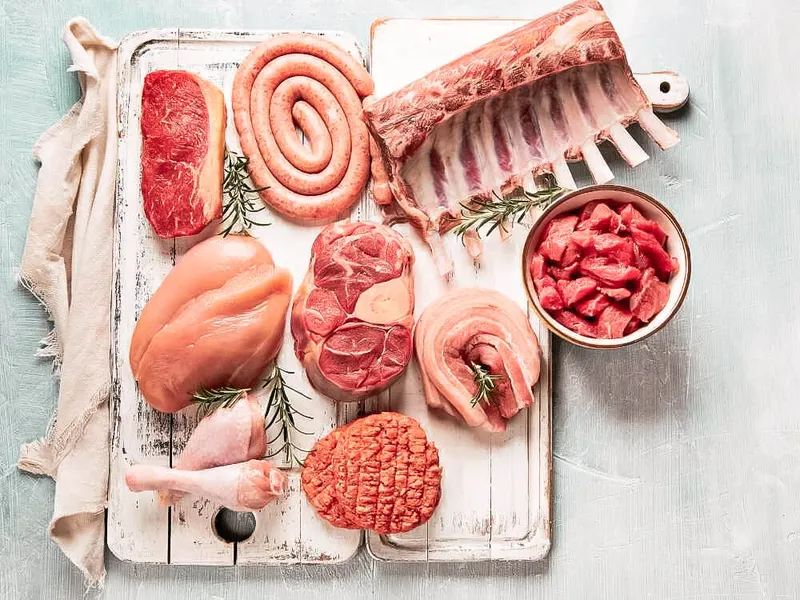
Somewhere along the way, meat became the enemy in diet culture. Keto made it king, then plant-based eating made it the villain, and the average person trying to lose a few kilos is left genuinely confused about whether they should eat more chicken or replace it with chickpeas. The reality, as usual, is more nuanced than either camp suggests. Meat can be an exceptionally effective part of a weight loss diet — high in protein, satiating, and nutrient-dense — but only if you choose the right types and prepare them correctly. A grilled chicken breast and a battered chicken schnitzel are both "chicken," but they're worlds apart nutritionally.
Why protein matters for weight loss (the thermic effect)
Protein isn't just a macronutrient — it's the most metabolically expensive one to process. When you eat protein, your body uses 20–30% of the calories in that protein just to digest, absorb, and metabolise it. This is called the thermic effect of food (TEF). Compare that to carbohydrates (5–10% TEF) and fats (0–3% TEF). In practical terms, eating 100 calories of chicken breast effectively gives you about 70–80 usable calories, while 100 calories of butter gives you about 97–100.
Beyond thermogenesis, protein has two other weight-loss superpowers. First, it's the most satiating macronutrient — gram for gram, protein keeps you fuller for longer than carbs or fat, reducing overall calorie intake without conscious restriction. A study in the American Journal of Clinical Nutrition found that increasing protein intake from 15% to 30% of total calories led to a spontaneous reduction of 441 calories per day, without any other dietary changes.
Second, adequate protein intake preserves lean muscle mass during caloric restriction. When you eat less than you burn (the fundamental requirement for weight loss), your body draws energy from both fat stores and muscle tissue. Higher protein intake shifts the ratio dramatically toward fat loss and muscle preservation — which matters because muscle tissue burns more calories at rest than fat tissue, maintaining your metabolic rate even as you lose weight.
The evidence-based recommendation for protein during weight loss is 1.6–2.2g per kg of body weight daily — significantly higher than the general population recommendation of 0.8g/kg. For a 70 kg woman, that's 112–154g of protein per day. Lean meat is one of the most efficient ways to hit those numbers without excessive calories.
Poultry: the lean protein gold standard
Poultry — particularly chicken and turkey — dominates the fitness and weight-loss world for good reason: it delivers exceptional protein density with minimal fat when prepared correctly.
Chicken breast (skinless, grilled). The undisputed champion: 165 calories and 31g protein per 100g, with only 3.6g fat. That's a protein-to-calorie ratio of roughly 75% — very few whole foods match it. The key is "skinless" — chicken skin adds about 9g of fat per 100g, nearly tripling the fat content. If you find chicken breast dry and boring (a common complaint), the issue is overcooking, not the cut itself. More on cooking methods shortly.
Chicken thigh (skinless). Darker meat with more flavour: 177 calories, 24g protein, 8g fat per 100g. Higher in fat than breast, but the extra fat contributes to better flavour and moisture. If compliance is your challenge (eating food you actually enjoy is the most important factor in any diet), thighs are a perfectly acceptable trade-off. The caloric difference between 100g of breast and thigh is only 12 calories — not significant enough to matter.
Turkey breast. Even leaner than chicken: 157 calories, 30g protein, 3.2g fat per 100g. Slightly drier in texture but excellent in stir-fries, salads, and wraps where it's combined with sauces and vegetables. Ground turkey (breast meat, not mixed) is also excellent for burgers, bolognese, and meatballs — a simple swap from ground beef that saves roughly 100 calories per 100g serving.
Red meat: which cuts work, which ones don't
Red meat often gets excluded from weight-loss diets entirely, which is unnecessary — the issue isn't red meat as a category, it's specific cuts and quantities. Some red meat cuts are leaner than chicken thighs; others have more fat than a croissant.
Lean beef cuts:
- Beef tenderloin (filet): 179 calories, 26g protein, 8g fat per 100g. The leanest premium cut, with excellent texture and flavour. Expensive, but nutritionally ideal
- Eye of round: 168 calories, 28g protein, 5.5g fat per 100g. Exceptionally lean. Can be tough if overcooked — best sliced thin for roast beef or quick-seared
- Sirloin (trimmed): 183 calories, 27g protein, 8g fat per 100g. Good flavour, reasonable price, versatile. The "trimmed" part matters — untrimmed sirloin can have twice the fat content
- Rump steak (trimmed): 170 calories, 27g protein, 7g fat per 100g. Excellent value cut with good lean protein density
Cuts to limit or avoid for weight loss:
- Ribeye: 291 calories, 24g protein, 22g fat per 100g. Delicious but significantly fattier — the marbling that makes it taste incredible also makes it calorie-dense
- Beef brisket: up to 330 calories per 100g depending on preparation. The slow-cooking process that makes it tender also means you're eating a lot of rendered fat
- Ground beef (standard): 250–280 calories per 100g for typical 20% fat mince. Choose 5% fat mince instead (150 calories, 21g protein per 100g) — the difference across a week of meals is significant
Pork: pork tenderloin is surprisingly lean — 143 calories, 26g protein, 3.5g fat per 100g, making it comparable to chicken breast. Pork loin chops (trimmed) are also good at 170 calories and 25g protein. Avoid: bacon (541 calories per 100g), pork belly (518 calories), and sausages (300+ calories, often with added sugar and fillers).
Game meats: the overlooked champions
Game meats are the best-kept secret in lean protein. Wild animals move more, eat natural diets, and store less fat than farmed livestock — resulting in meat that's leaner, often higher in protein, and richer in micronutrients.
Venison (deer): 158 calories, 30g protein, 3.2g fat per 100g. One of the leanest red meats available — comparable to chicken breast in macros but with the rich, complex flavour of red meat. Also high in iron, B12, and zinc. Available from specialist butchers and increasingly in supermarkets.
Rabbit: 173 calories, 33g protein, 3.5g fat per 100g. The highest protein content on this entire list. Common in French, Italian, and Spanish cuisine — if you haven't tried it, it's mild, slightly sweet, and takes well to braising and roasting.
Bison (buffalo): 143 calories, 28g protein, 2.4g fat per 100g. Even leaner than venison, with a rich, slightly sweet flavour. Excellent as ground meat for burgers and bolognese. More expensive than beef but nutritionally superior for weight loss.
Wild boar: 160 calories, 28g protein, 4.4g fat per 100g. More intense in flavour than pork, leaner, and free of the antibiotics and growth hormones used in conventional pork farming.
Game meats are typically more expensive and harder to find, but if budget allows, incorporating them once or twice per week diversifies your protein sources and adds nutritional variety that farmed meats alone can't provide.
Fish and seafood: protein with bonus omega-3s
Fish deserves special attention because it combines lean protein with omega-3 fatty acids — anti-inflammatory fats that support cardiovascular health, brain function, and may even enhance fat oxidation during exercise.
White fish (cod, haddock, sea bass, sole): 82–105 calories, 17–23g protein, 0.5–2g fat per 100g. The absolute leanest protein source available — even leaner than chicken breast. White fish is essentially pure protein with negligible fat. The catch (pun intended): it's mild in flavour and can feel unsatisfying if you're used to richer meats. Season well, pair with flavourful sides, and don't overcook.
Fatty fish (salmon, mackerel, sardines): 180–230 calories, 20–25g protein, 10–15g fat per 100g. Higher in calories than white fish, but the fat is predominantly omega-3 — which has a thermic effect closer to protein than to other fats. The nutritional benefits extend beyond weight loss to hair health, skin health, and cognitive function. Two servings per week is the standard recommendation.
Prawns and shrimp: 99 calories, 24g protein, 0.3g fat per 100g. Exceptionally lean with excellent protein density. Versatile in stir-fries, salads, pasta dishes, and as snacks. Watch the preparation method — breaded and deep-fried prawns can hit 250+ calories per 100g.
Tuna (fresh, not canned in oil): 130 calories, 29g protein, 1g fat per 100g. Superb protein density. Canned tuna in water is also excellent (116 calories, 26g protein) and far more affordable than fresh. Limit to 2–3 servings per week due to mercury content in larger tuna species.
Cooking methods that make or break your calorie count
The same piece of chicken breast can be 165 calories (grilled) or 350 calories (battered and fried) depending on how you cook it. The cooking method often matters more than the meat selection.
Best methods for weight loss:
- Grilling / barbecuing: excess fat drips away from the meat. No added oil needed. Adds smoky flavour. The gold standard
- Baking / roasting (without added fat): use a rack in the baking tray so meat doesn't sit in rendered fat. Season generously with herbs and spices for flavour without calories
- Poaching / steaming: zero added fat, retains moisture well. Excellent for chicken breast (poach in broth for flavour) and fish
- Stir-frying (with minimal oil): use 1 teaspoon of oil in a very hot pan. The high heat cooks quickly, preserving texture and requiring minimal fat. A non-stick pan reduces oil needs further
- Slow cooking / braising: great for lean, tough cuts (round, chuck) that become tender with long, slow cooking. Use broth rather than cream-based liquids
Methods to avoid or limit:
- Deep frying: adds 100–200 calories per 100g through oil absorption. The breading/batter absorbs even more. A 165-calorie chicken breast becomes a 350-calorie chicken schnitzel
- Pan-frying in butter: each tablespoon of butter adds 100 calories. If pan-frying, use a non-stick pan with cooking spray (5 calories) instead
- Cream-based sauces: a chicken breast in cream sauce can exceed 400 calories. Use yogurt-based, tomato-based, or herb-based sauces instead
Flavour without calories: marinades (vinegar, citrus juice, soy sauce, herbs, spices, garlic) add enormous flavour at near-zero caloric cost. Marinate for at least 30 minutes before cooking. Mustard, hot sauce, salsa, and chimichurri are also excellent low-calorie flavour enhancers that make lean protein genuinely enjoyable to eat day after day.
Portion guide: how much meat per meal
Even lean meat consumed in excessive portions adds up. Here's a practical guide to appropriate serving sizes:
General recommendation: 120–170g of cooked lean meat per main meal. This provides 25–45g of protein depending on the cut — roughly a third of most people's daily protein target per meal.
Visual guide: a serving of meat should be roughly the size and thickness of your palm (not including fingers). For most adults, that's about 120–150g. This is smaller than what many restaurants serve — a typical restaurant steak is 200–300g, which is 1.5–2 servings.
Frequency: for weight loss, aim for lean meat or fish as your primary protein source at 1–2 meals per day, with plant-based protein sources (legumes, tofu, Greek yogurt, eggs) filling in the remaining meals. This provides dietary variety and the complementary micronutrients that come from different protein sources.
10 high-protein, low-calorie meal ideas
- Grilled chicken breast + roasted Mediterranean vegetables + quinoa (420 cal, 38g protein)
- Turkey mince bolognese with courgette noodles (350 cal, 35g protein)
- Baked salmon fillet + steamed broccoli + sweet potato (450 cal, 32g protein)
- Stir-fried prawns with ginger, garlic, and pak choi over brown rice (380 cal, 30g protein)
- Pork tenderloin medallions with apple-mustard sauce + green beans (370 cal, 34g protein)
- Venison steak with roasted beetroot and rocket salad (340 cal, 36g protein)
- Cod fillet baked in tomato and olive sauce + crushed new potatoes (350 cal, 28g protein)
- Chicken thigh (skinless) with harissa, chickpeas, and spinach (420 cal, 33g protein)
- Tuna steak seared rare with sesame, soy, and Asian slaw (300 cal, 35g protein)
- Lean beef sirloin strips with peppers and onions in wholemeal wrap (400 cal, 32g protein)
Frequently asked questions
Is red meat bad for weight loss?
No — lean red meat cuts (tenderloin, eye of round, rump) are excellent protein sources with comparable macros to poultry. The key is choosing lean cuts, trimming visible fat, and using low-fat cooking methods. The health concerns around red meat (cardiovascular risk, cancer risk) are primarily associated with processed meats and excessive consumption of fatty cuts. Moderate consumption of lean, unprocessed red meat (2–3 times per week) is compatible with both weight loss and long-term health.
How much protein is too much?
For healthy adults with normal kidney function, intakes up to 2.2g per kg of body weight daily are well-tolerated and supported by evidence for weight loss and muscle preservation. Higher intakes (up to 3g/kg) have been studied in athletes without adverse effects, but offer diminishing returns. If you have existing kidney disease, consult your doctor — impaired kidneys may not handle very high protein loads. For most people on a weight loss diet, 1.6–2.0g/kg is the practical sweet spot.
Can I lose weight eating only meat?
Carnivore diets exist, and people do lose weight on them — primarily because high protein intake suppresses appetite, leading to spontaneous caloric reduction. However, an all-meat diet eliminates fibre (which supports gut health and natural detoxification), most antioxidants, and several vitamins (notably vitamin C). It's a nutritionally incomplete approach that works for weight loss through protein-driven satiety, not because eliminating plants is inherently beneficial. A balanced diet with lean meat, vegetables, and whole grains is nutritionally superior and equally effective for weight loss.
Is organic or free-range meat better for weight loss?
Calorie and protein content are virtually identical between organic/free-range and conventional meat. The differences are in farming practices, animal welfare, and environmental impact — not macronutrients. Some studies show slightly higher omega-3 content in grass-fed beef and pasture-raised poultry, but the difference is marginal compared to eating fatty fish twice a week. Buy organic/free-range for ethical and environmental reasons if your budget allows, but don't expect different weight loss results.
What about deli meats and cold cuts?
Most deli meats are processed — they contain added sodium, nitrates, sugar, and fillers that make them less nutritionally ideal than fresh meat. Turkey breast slices are the leanest option (around 100 calories, 18g protein per 100g), but check the ingredient list — some brands add significant sugar. If you use deli meat for convenience, treat it as an occasional option rather than a daily staple, and choose brands with the shortest, most recognisable ingredient lists.
Sources
- USDA FoodData Central — Nutritional composition database
- American Journal of Clinical Nutrition — Protein intake and satiety in weight management
- British Journal of Nutrition — Thermic effect of protein and energy expenditure
- Journal of the Academy of Nutrition and Dietetics — Lean protein sources and body composition
Keep on bubbling
- Tips to stick to your diet — stay motivated and avoid common pitfalls
- 5 diet mistakes to avoid — what's sabotaging your progress
- What is chrononutrition? — eating the right food at the right time