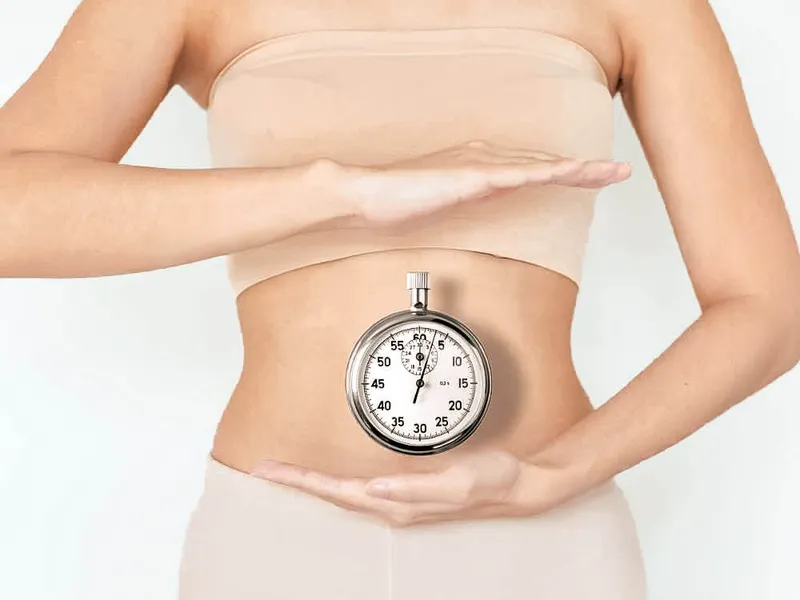
The idea that timing matters in nutrition isn't new — your grandmother probably told you breakfast was the most important meal of the day and that eating late at night would make you fat. She was partially right, but for entirely different reasons than she thought. Chrononutrition is the scientific framework that explores how our body's internal clock — the circadian rhythm — influences how we metabolise different nutrients at different times of day. It's not a diet plan. It's not a fad. It's the intersection of chronobiology and nutrition science, and the research behind it earned three scientists a Nobel Prize in 2017.
Your circadian rhythm: the master clock controlling your metabolism
Every cell in your body has a molecular clock — a set of genes that cycle roughly every 24 hours, regulating when certain biological processes activate and deactivate. The master clock sits in the suprachiasmatic nucleus (SCN) of the hypothalamus, synchronised primarily by light exposure. But peripheral clocks in the liver, pancreas, gut, and adipose tissue are also heavily influenced by when you eat.
This isn't abstract biology — it has concrete metabolic consequences:
Insulin sensitivity varies throughout the day. Your cells respond to insulin most effectively in the morning and early afternoon. By evening, insulin sensitivity decreases significantly — meaning the same carbohydrate load produces a higher blood glucose and insulin response at 9 PM than at 9 AM. Over time, chronically eating carbohydrate-heavy meals in the evening contributes to insulin resistance, a precursor to type 2 diabetes and a driver of fat storage.
Digestive enzyme production follows a rhythm. Your pancreas produces more digestive enzymes during daylight hours. Gastric motility (the speed at which food moves through your system) is higher in the morning and slows by evening. Eating a large meal late at night means your digestive system processes it less efficiently — slower digestion, more bloating, poorer nutrient extraction.
Cortisol (the stress hormone) peaks in the morning. This isn't a bad thing — morning cortisol mobilises energy reserves, increases alertness, and prepares your body for activity. This natural energy surge means your body is primed to use calories for activity in the morning, rather than storing them. By evening, cortisol drops and melatonin rises, signalling your body to wind down and conserve energy. Eating heavily during this conservation phase is metabolically counterproductive.
Lipogenesis (fat creation) follows a clock. Research in Cell Metabolism has shown that the expression of genes controlling fat storage increases in the evening and night. Your body is literally more inclined to store calories as fat in the evening than in the morning — even if the total calorie count is identical.
How chrononutrition works: matching food to your body's schedule
The core principle of chrononutrition is simple: eat the right macronutrients at the times when your body processes them most efficiently. This means:
Fats in the morning. Counterintuitive if you've grown up with the "fat makes you fat" messaging, but your body's lipid metabolism is most active in the morning. Enzymes like lipoprotein lipase, which processes dietary fat, peak during the first half of the day. Consuming healthy fats at breakfast (cheese, eggs, avocado, nuts, olive oil) means they're metabolised for energy rather than stored. The French version of chrononutrition, developed by Dr. Alain Delabos, specifically recommends a fat-rich breakfast — and France has lower obesity rates than most of its neighbours.
Protein and complex carbohydrates at lunch. Midday is when your body is most actively burning energy — cortisol and insulin are both at functional levels, and your metabolic rate is at its daily peak. A substantial lunch with lean protein and complex carbohydrates (whole grains, legumes, starchy vegetables) provides sustained energy for the afternoon without the insulin spike that simple carbohydrates would cause.
Light dinner, low in carbohydrates. By evening, insulin sensitivity has dropped, digestive efficiency has decreased, and your body is moving toward conservation mode. A lighter dinner emphasising protein and vegetables — with minimal carbohydrates — aligns with your body's reduced evening capacity and avoids the insulin-resistance-promoting effect of evening carbohydrate consumption.
Optional afternoon snack. A small sweet snack (fruit, a square of dark chocolate, a handful of dried fruit) around 16:00–17:00 aligns with a natural afternoon dip in blood sugar and the cortisol trough. This prevents the evening hunger surge that leads to overeating at dinner.
Morning metabolism: what to eat and why
Morning is when your metabolic machinery is running at full capacity. The cortisol peak provides energy mobilisation, insulin sensitivity is at its highest (so glucose is efficiently shuttled into cells rather than stored as fat), and lipid metabolism enzymes are most active. This is the time to eat your most calorie-dense meal — which contradicts the common advice of "starting light."
Ideal breakfast components:
- Healthy fats: eggs (whole, not just whites — the yolk contains essential nutrients and fat-soluble vitamins), cheese, avocado, nuts, olive oil, smoked salmon
- Protein: eggs, Greek yogurt, turkey slices, cottage cheese — protein at breakfast has been shown to reduce total daily calorie intake by up to 12% through enhanced satiety
- Complex carbohydrates (moderate): whole grain bread, oats, fruit — these provide glucose for brain function and morning activity without the spike-and-crash of refined carbs
What to avoid at breakfast: refined sugar (pastries, sugary cereals, juice — these cause rapid blood glucose spikes that crash by 10 AM, triggering hunger and fatigue), caffeine on an empty stomach (stimulates cortisol when it's already elevated, potentially promoting anxiety and energy crashes), and skipping breakfast entirely (while intermittent fasting has its proponents, most chrononutrition research suggests that eating within the first 1–2 hours of waking optimises circadian metabolic alignment).
A chrononutrition breakfast looks like: two eggs scrambled with cheese, a slice of whole grain bread with butter, a small handful of walnuts, and a piece of fruit. Approximately 500–600 calories — larger than most people's current breakfast, but front-loading calories has been consistently shown to improve metabolic outcomes compared to back-loading them at dinner.
The afternoon window: energy sustaining and activity fuel
Lunch is your second major meal and the one most people instinctively eat well — it coincides with genuine hunger (the morning cortisol energy is waning) and the social convention of a midday break.
Ideal lunch components:
- Lean protein (substantial): chicken breast, turkey, fish, lean beef, tofu — 30–40g of protein supports muscle maintenance and provides sustained satiety through the afternoon
- Complex carbohydrates: rice, quinoa, sweet potato, whole grain pasta, legumes — these provide the glucose your brain and muscles need for afternoon activity. Chrononutrition is more permissive of carbohydrates at lunch than at dinner because insulin sensitivity is still relatively high
- Vegetables: half your plate should be non-starchy vegetables — fibre slows glucose absorption, vitamins and minerals support metabolic processes, and the volume provides satiety
The afternoon snack (around 16:00–17:00) is a chrononutrition feature that distinguishes it from many other approaches. This isn't random snacking — it's a strategically timed intervention to prevent the evening blood sugar drop that drives overeating at dinner. Keep it small and naturally sweet: a piece of fruit, a few squares of dark chocolate, some dried apricots, or a small yogurt with honey.
Evening eating: what the research actually says
"Don't eat after 8 PM" is an oversimplification that misses the nuance. The issue isn't a magical cutoff time — it's the combination of what you eat, how much, and how close to sleep.
What the research shows:
A study published in the International Journal of Obesity tracked 420 participants on a 20-week weight loss programme. The group that consumed their main meal before 15:00 lost 25% more weight than the group that ate the same total calories later — with no difference in exercise levels, sleep duration, or macronutrient composition. The only variable was timing.
Research in Cell Metabolism found that mice fed a high-fat diet only during their active period (equivalent to human daytime) gained 28% less weight than mice eating the same diet ad libitum — despite consuming identical calories. The timing effect was independent of food type or quantity.
Human studies have shown that late-evening eating (within 2 hours of sleep) impairs glucose tolerance the following morning, creates a metabolic "hangover" that persists for 12+ hours. The implication: how you eat tonight affects how efficiently you process tomorrow's breakfast.
Practical evening guidelines:
- Eat dinner at least 3 hours before bedtime — your body needs time to digest before entering sleep's conservation mode
- Emphasis on protein and vegetables, minimal carbohydrates — your evening insulin sensitivity can't handle a carb-heavy meal efficiently
- Keep portions moderate — dinner should be your lightest main meal, not your largest
- Avoid alcohol close to bedtime — it disrupts sleep architecture (suppresses REM sleep) and impairs overnight metabolic recovery
A complete chrononutrition day: breakfast to dinner
7:00 — Breakfast (substantial, fat-rich): two-egg omelette with goat cheese and spinach, one slice of sourdough bread with butter, a handful of almonds, a small pear. Green tea or coffee (after eating, not on an empty stomach). ~550 calories.
10:00 — Optional mid-morning (only if genuinely hungry): a small handful of mixed nuts or a piece of fruit. ~100–150 calories.
12:30 — Lunch (substantial, protein + carb-rich): grilled salmon fillet (150g) with quinoa (150g cooked) and a large mixed salad with olive oil dressing. A glass of water. ~600 calories.
16:30 — Afternoon snack (sweet, small): an apple with two squares of dark chocolate (70%+). A herbal tea. ~150 calories.
19:30 — Dinner (light, protein + vegetable focus): grilled chicken breast (120g) with roasted courgettes, aubergines, and peppers. No bread, no pasta, no rice. ~350 calories.
Daily total: ~1,750 calories. Calorie distribution: 31% breakfast, 34% lunch, 9% snacks, 20% dinner. This front-loaded distribution contrasts with the typical Western pattern (10% breakfast, 30% lunch, 50% dinner) and aligns with the body's metabolic rhythms rather than working against them.
Does chrononutrition help with weight loss? The evidence
The short answer: yes, but the effect size is moderate. Chrononutrition isn't a magic bullet — it's an optimisation on top of the fundamentals (caloric deficit, adequate protein, whole foods). The evidence suggests that meal timing contributes an additional 10–15% improvement in weight loss outcomes beyond calorie control alone.
What the meta-analyses show:
- Early eating (larger breakfast, smaller dinner) is associated with better weight loss outcomes compared to late eating (small breakfast, large dinner), even when total calories are matched
- Time-restricted eating (confining all meals to an 8–10 hour window, typically 8 AM – 6 PM) shows modest but consistent benefits for weight loss and metabolic markers
- The largest effects are seen in people whose current eating pattern is heavily back-loaded (skipping breakfast, largest meal at dinner)
The realistic picture: chrononutrition alone won't produce weight loss if you're eating above your caloric needs — timing doesn't override thermodynamics. But for someone already in a moderate caloric deficit, aligning meal timing with circadian rhythms can accelerate fat loss, improve energy levels, enhance sleep quality, and reduce the hormonal hunger signals that make sticking to a diet so difficult. It's an efficiency booster, not a replacement for fundamentals.
Practical implementation: how to start without overthinking
If the biochemistry feels overwhelming, here are the three simplest changes that capture most of chrononutrition's benefits:
1. Make breakfast your biggest meal. If you currently skip breakfast or eat lightly, gradually increase it over 2 weeks. Start by adding an egg. Then add cheese or avocado. The goal: a satisfying, protein-and-fat-rich meal within 1–2 hours of waking. You'll feel less hungry at dinner almost immediately.
2. Move your dinner earlier. If you typically eat at 20:30 or 21:00, shift to 19:00 or 19:30. If that's impractical (work schedules, family commitments), at minimum eat lighter at the later time. The 3-hours-before-sleep guideline is the most achievable target for most people.
3. Reduce evening carbohydrates. Swap the pasta dinner for protein and vegetables. Keep the pasta for lunch instead, where your body handles it more efficiently. You don't need to eliminate evening carbs entirely — just reduce them relative to your daytime intake.
These three changes — bigger breakfast, earlier dinner, fewer evening carbs — capture roughly 80% of chrononutrition's benefits with minimal disruption to your existing routine. Perfect is the enemy of good — a partially aligned eating pattern is dramatically better than an unaligned one.
Frequently asked questions
Can I combine chrononutrition with intermittent fasting?
Yes, they're actually compatible. Time-restricted eating (a form of intermittent fasting) with an early eating window (e.g., 7 AM – 3 PM or 8 AM – 6 PM) aligns with chrononutrition principles perfectly — you're eating during your metabolically active period and fasting during the conservation period. Late eating windows (12 PM – 8 PM), however, conflict with chrononutrition by shifting calories toward the evening when metabolism is less efficient.
Does chrononutrition work for shift workers?
The standard timing guidelines don't apply directly to shift workers because their circadian rhythms are disrupted. However, the principle — eat larger meals during your active/awake period and lighter meals before sleep — still applies. If you work nights and sleep during the day, treat your "waking meal" (whenever that is) as your main meal, and eat lightly before your sleep period. Consistency matters more than clock time — your body adapts to regular patterns even if they don't follow the sun.
Will I gain weight if I eat cheese and butter for breakfast?
No, if your total daily calories are appropriate. Chrononutrition doesn't add calories — it redistributes them. A 600-calorie breakfast with fats means a lighter dinner. The total daily intake doesn't change; the distribution does. Fat at breakfast is metabolised efficiently by morning lipid enzymes and provides sustained energy and satiety that prevents mid-morning snacking. The weight-gain fear around dietary fat is outdated — total calorie balance and meal timing matter more than fat content at any single meal.
Is chrononutrition scientifically proven?
The underlying biology — circadian regulation of metabolism, time-dependent insulin sensitivity, cortisol rhythms — is well-established and backed by Nobel Prize-winning research. The specific dietary protocols (like Dr. Delabos's French chrononutrition system) have less rigorous clinical trial evidence, though observational studies are supportive. The general principles (front-load calories, eat less at night, align meals with circadian rhythms) have strong scientific support. The specific meal plans are reasonable applications of the science but shouldn't be treated as absolute prescriptions.
Can I have coffee first thing in the morning?
You can, but it's better to wait 60–90 minutes after waking. Morning cortisol is naturally high — adding caffeine on top can create over-stimulation, followed by a harder crash when both wear off simultaneously. Having coffee after breakfast, around 9:00–10:00 AM (when cortisol starts declining), amplifies its alertness effect while avoiding the double-peak-and-crash pattern. If you can't function without immediate coffee (no judgement), at least eat something first — coffee on an empty stomach stimulates acid production and can cause digestive discomfort.
Sources
Keep on bubbling
- How to stick to your diet — strategies that work long-term
- 5 diet mistakes to avoid — common errors that stall your progress
- Best meats for weight loss — lean protein options for every meal