You know Chanel N°5. You know J'adore. You know La Vie Est Belle (and you've probably received it as a Christmas gift at least once). But do you know Byredo? Diptyque? Le Labo? Serge Lutens? If those names mean nothing to you, you're missing an entire world — niche perfumery, where bottles cost more, formulas are more complex, and the sillage doesn't resemble anything you've smelled in the fragrance hall at Boots.
I discovered niche perfumery by accident. A friend was wearing something I didn't recognise. No obvious branding. No signature bottle. Just a trail that stopped me mid-sentence and made me ask: "What are you wearing?" It was Gypsy Water by Byredo. £130 for 50ml. And in that moment I understood why some people never go back to mainstream fragrance.
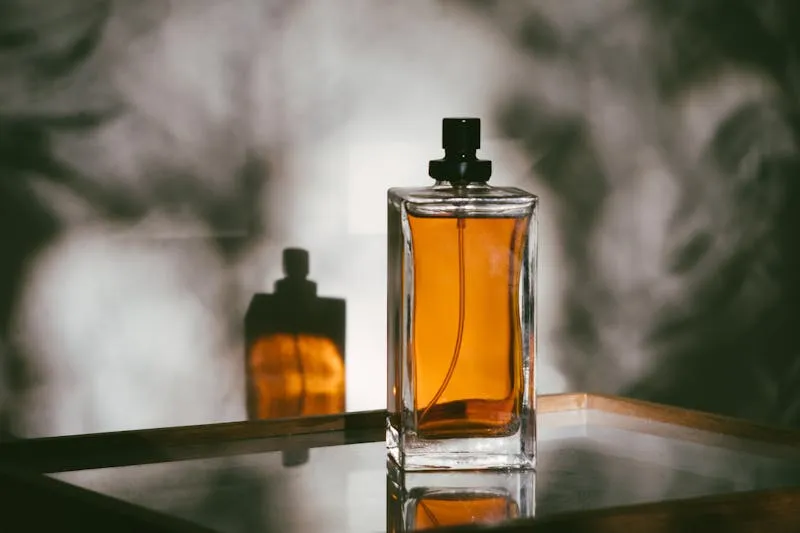
What is niche perfumery?
The term "niche" emerged in perfumery vocabulary in the 1990s to describe houses that rejected the industrial logic of mainstream fragrance. No marketing department dictating to the perfumer what women "want to smell like this season". No volume constraints. No obligation to please everyone.
Concretely, a niche house means:
— Limited production runs (sometimes just a few thousand bottles a year for the most confidential houses)
— Often rare or exceptional raw materials (genuine oud, Taif rose, Florentine iris...)
— A named perfumer with their own artistic vision
— Selective distribution (not in supermarkets, not in budget airport duty-free)
— Prices that reflect actual formulation costs
That said, "niche" is no longer as pure a term as it was twenty years ago. Byredo, Le Labo, Diptyque — these houses generate considerable revenue today. Some have been acquired by luxury groups (LVMH owns Maison Francis Kurkdjian, Kering Beauté acquired Creed). The border between niche and luxury mainstream has blurred. What actually matters is formulation quality and creative independence — not the label.
Mainstream vs niche: the real differences
This isn't about glorifying niche for its own sake. There are excellent mainstream fragrances — Hermès with Jean-Claude Ellena, Guerlain with Thierry Wasser, Chanel with Olivier Polge — that use exceptional raw materials and have a real artistic vision. But the economics of mainstream fragrance create constraints that niche houses don't have.
Marketing budget: A mainstream fragrance spends an average of 40 to 50% of its retail price on marketing (advertising campaigns, celebrity partnerships, elaborate packaging). A niche fragrance puts that money into raw materials. That's not a value judgement — it's economic reality.
IFRA constraints: International fragrance regulations (IFRA) are applied differently at different production volumes. Major houses have sometimes reformulated their classics (the original Chanel N°5 and today's version are not identical) under regulatory pressure. Niche houses with smaller volumes can use certain materials at higher concentrations.
Originality: Mainstream fragrance aims to please 80% of women. Niche aims to captivate 20% — but to genuinely obsess them. Result: fragrances that take risks the mainstream would never dare (a perfume that smells like clean laundry dried in the sun, like an old bookshop in Edinburgh, like rain on warm tarmac).
Essential houses to start with
There are hundreds of niche houses worldwide. To navigate, here are the ones with the best accessibility-to-quality ratio for first exploration — not the most confidential, not the most expensive, but the ones that will genuinely teach you something about perfumery.
Byredo — Scandinavian minimalism
Founded in 2006 by Ben Gorham — half Swedish, half Indian, former basketball player — in Stockholm. Byredo's aesthetic is immediately recognisable: clean cylindrical bottles, names that tell a story (Gypsy Water, Bal d'Afrique, Mojave Ghost), formulas crafted by independent noses.
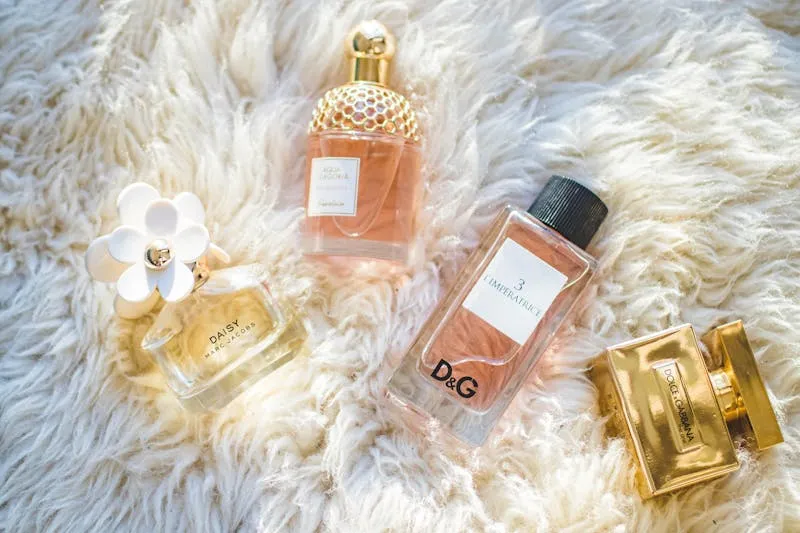
Where to start? Gypsy Water (pine, bergamot, white musk — the most accessible), Bal d'Afrique (ylang-ylang, citrus, African cedarwood — more sophisticated), or Mojave Ghost (sandalwood, ambrette — the most gender-neutral).
Where to buy in the UK? Liberty London (dedicated corner on the beauty floor), Selfridges, Space NK, and the official website.
Price: 50ml EDP around £135-155. Available in 100ml and travel sizes.
Diptyque — Parisian elegance
Diptyque was born in 1961 on the rue Saint-Benoît in Paris — initially as a printed fabric shop before becoming the reference for scented candles, then for eaux de toilette. Now owned by Manzanita Capital, the house has achieved something rare: growing without losing its Parisian soul.
Diptyque fragrances are recognisable by their oval label on white. The formulas are botanical, fresh, often surprising in relation to market conventions. Do Son (tuberose, orange blossom) is floral but never sweet. L'Ombre dans l'Eau (rose, blackcurrant) is fruity but never sugary. Philosykos (fig tree — leaves, wood, fruit) is one of the most "true" fragrances that exists — close your eyes and you're under a fig tree in Greece in August.
Where to start? Philosykos for natural, green fragrances. Do Son for floral. Eau Rose for a very gentle entry. Tam Dao (sandalwood) for woody.
Where to buy in the UK? Diptyque boutiques in London (Covent Garden, Marylebone), Liberty, Selfridges, John Lewis.
Price: 75ml EDT around £120-145. Also available at Boots and ASOS for some lines.
Serge Lutens — olfactory theatre
Serge Lutens is not a perfumer — he's a photographer, make-up artist and artistic director of genius who collaborated with Shiseido for decades before creating his own house. His fragrances, made with perfumer Christopher Sheldrake, are artistic statements as much as scents.
They can be destabilising. Féminité du Bois is a plunge into humid cedar woods and plums. Chergui smells of tobacco, honey, iris and something indefinable that evokes Marrakech's souks. Jeux de Peau smells of warm bread and butter — yes, like a bakery. These are not fragrances for everyone. They're fragrances for people who love being surprised.
Price: 50ml around £85-180 depending on the creation (the exclusive line is significantly more expensive). Available at Les Senteurs in London, and the official website.
Le Labo — niche made accessible
Founded in New York in 2006, Le Labo is the most accessible niche house — in every sense. The fragrances are available worldwide, in certain luxury hotels, at Liberty and John Lewis in the UK. The brand is now owned by Estée Lauder Companies, which causes some purists to wince.
But the formulas remain excellent. Santal 33 has become a cultural phenomenon — the "Brooklyn signature" fragrance, worn everywhere from Williamsburg to the King's Road. Rose 31 is floral and woody, very gender-neutral. Bergamote 22 is one of the best upmarket fresh fragrances available at this price point. Noir 29 is an ode to smoky black tea — the definition of "a fragrance that smells like nothing else".
Particularity: Le Labo offers personalised labels for your bottle — name, date, message. Gimmick or genuinely thoughtful touch depending on your view (honestly, I think it's a bit of both).
Price: 50ml around £120-155. Discovery sets available. Available at Liberty, Selfridges, John Lewis.
Maison Margiela Replica — memory in a bottle
The Replica range from Maison Margiela is perhaps the perfect entry point for anyone hesitating about niche. The concept is simple: each fragrance is a "replica" of a precise olfactory memory — a moment, a place, a sensation.
Jazz Club smells like a 1940s jazz club — leather, tobacco, rum, vetiver. Beach Walk smells exactly like its name suggests — suncream, salt, driftwood on warm sand. By the Fireplace smells of wood smoke, warm chestnuts, and toasted marshmallow. Bubble Bath smells — genuinely — of a steamy bathroom full of foam.
These are fragrances that speak to anyone because they evoke universal experiences. It's conceptual perfumery made accessible. And they're available at John Lewis and Boots across the UK — a significant advantage for testing without visiting a specialist boutique.
Price: 30ml around £55, 100ml around £140. One of the best value propositions in accessible niche.
The British niche scene worth knowing
This is the section that doesn't appear in French guides, so let's make the most of it. Britain has a rich and often underrated fragrance heritage — and some genuinely brilliant independent houses.
Penhaligon's — Founded in 1870, holder of Royal Warrants, quintessentially English. Blenheim Bouquet (lemon, pine, lavender) has been made since 1902. Lothair (jasmine, ylang-ylang, sandalwood) is a modern classic. Sold at their own boutiques in London and at Selfridges. Around £95-145 for 75ml.
Miller Harris — Independent British house founded by perfumer Lyn Harris. Florals and botanicals made with provenance-tracked ingredients. Their L'Air de Rien was created for Kate Moss. Particularly beautiful autumnal and woody fragrances. Around £85-120 for 50ml.
Ormonde Jayne — Founded in 2002 on the Royal Arcade in Mayfair. One of the most underrated British niche houses. Ormonde Woman (hemlock, violet, vetiver) remains one of the most original British fragrances of the last twenty years. Around £115-145 for 50ml.
Floris London — The oldest surviving perfumery in London, established in 1730 on Jermyn Street. Holder of multiple Royal Warrants. More accessible than most niche houses (some EDTs under £100). A beautiful piece of British fragrance history.

Where to buy niche perfume in the UK
Les Senteurs (Elizabeth Street, Belgravia): One of London's best independent perfumers since 1984. Exceptional range, genuinely knowledgeable staff. The equivalent of Jovoy Paris in terms of expertise.
Liberty London (Great Marlborough Street): The beauty floor has an excellent niche selection — Byredo, Diptyque, Serge Lutens, many others. The advisors are well trained and not pushy.
Selfridges Beauty Hall (Oxford Street): Largest fragrance retail floor in Europe. Good niche representation alongside mainstream luxury.
John Lewis (nationwide): Increasingly good niche selection — Le Labo, Maison Margiela, Diptyque — and reliable counter staff.
Online: Fragrantica for reviews (not for buying), Les Senteurs online shop, the Perfume Society (UK community with excellent guides), and official brand websites for the safest purchasing experience.
What to budget
Honestly: niche costs more. A good EDP from a serious niche house sits between £85 and £220 for 50ml. Ultra-confidential houses (Clive Christian, Xerjoff, Amouage) can exceed £350 per bottle.
But the economics are less unfavourable than they appear. A 50ml niche bottle with excellent longevity can last 18 months to two years with sensible daily use — two to three sprays a day. That's around £40-50 per month. Which is roughly the same as a £60 mainstream bottle replaced every 8-12 months with mediocre projection.
The real economy is in testing first. A discovery coffret at £50-60 that lets you test five or six fragrances before investing in a full bottle is money well spent — not an extra expense.
Traps to avoid
Trap 1: buying on reputation without testing. Santal 33 by Le Labo is a cultural phenomenon. It's also very particular — sandalwood-heavy, smoky, woody — and polarising. Many people have bought it because "everyone talks about it" and had an unpleasant surprise. Always test before buying.
Trap 2: confusing "original" with "good". A fragrance that smells of cold ash or sulphur isn't automatically brilliant because it's unusual. Originality for originality's sake is conceptualism without substance. Ask yourself whether you'd actually want to wear this fragrance every day — not just whether you find it interesting.
Trap 3: letting the bottle seduce you. Niche perfumery is brilliant at packaging — sculptural bottles, artisan boxes, limited editions. Some houses invest as much in the container as the content. Always test on skin before the bottle has won you over.
Trap 4: overlooking the established independents. Penhaligon's, Floris, Miller Harris — British houses that are quieter than Byredo or Le Labo but have magnificent archives. Penhaligon's Empressa (tuberose, sandalwood) and Miller Harris Lumière Dorée are genuinely beautiful fragrances that fly completely under the radar.
Frequently asked questions
Is niche perfumery genuinely better?
Not automatically — and I've said this throughout. "Niche" describes an economic structure, not a guaranteed quality level. There are excellent mainstream formulas (Guerlain, Chanel, Hermès) and disappointing ones from niche houses riding an artistic aesthetic to justify high prices. What matters is concrete formulation: quality of raw materials, olfactory complexity, longevity. Judge on that.
Where should I start if I'm coming from mainstream fragrance?
Maison Margiela Replica first — available at John Lewis, reasonable entry price, intuitive concept. Then Diptyque for classic Parisian quality. Then Le Labo if you want something more distinctive. Keep Serge Lutens, Comme des Garçons Parfums, and Middle Eastern houses for when your olfactory palate is more trained.
Are Diptyque and Le Labo still really niche?
It's a genuine debate in the fragrance community. Strictly speaking, no — these houses have become accessible luxury brands with significant volumes. But they maintain a formulation quality and creative independence that many mainstream perfumers don't have. I call them "accessible niche" — the best of both worlds if you don't want to dive straight into ultra-confidential territory.
Where can I find niche fragrance samples without spending too much?
First, ask in-store — Les Senteurs, Liberty, Selfridges, and most independent perfumers give samples on request. Second, subscription services like Scentbird and Twist & Sprout offer samples at modest cost. Third, the Reddit r/fragrance community regularly organises sample swaps between members — well-organised and trustworthy. The Perfume Society (UK) also runs sample boxes and discovery events.
Do niche fragrances really last longer?
Often yes — but not always. Houses that invest more in raw materials use better fixatives and higher concentrations. But some light niche fragrances (aquatic florals, certain citruses) last no longer than a mainstream EDT. Longevity depends on the formula, your skin, and the fragrance family — not solely on it being niche.
Do niche fragrances exist for smaller budgets?
Yes. L'Artisan Parfumeur (beautiful French formulas, 50ml between £75 and £100), Atelier Cologne (concentrated citruses, around £90), and Maison Margiela Replica (30ml from around £55) are all in a reasonable range. The Perfume Society and Les Senteurs also offer discovery sets and end-of-line deals. Travel sizes (10-15ml) let you test at low cost before investing in a full bottle.
What about Middle Eastern fragrances — are they niche?
They're a category in their own right. Houses like Amouage (Oman), Rasasi (Dubai), and Abdul Samad Al Qurashi aren't "niche" in the Western sense, but they offer formulations of extraordinary richness — genuine oud, Taif rose, exceptional-quality incense — often at surprisingly reasonable prices for the quality. If you love deep orientals, this is an absolute must to explore. Harrods has one of the best Middle Eastern fragrance selections in London.
How do I know if a niche brand is genuinely good or just hype?
Check the Fragrantica community ratings (filter by "top rated" not "most popular"). Read reviews on the Perfume Society and Basenotes. Ask at Les Senteurs or Liberty — the staff there are trained to be honest, not just to sell. And always come back to the fundamental question: does it smell genuinely beautiful and complex on your skin? No amount of branding replaces that answer.