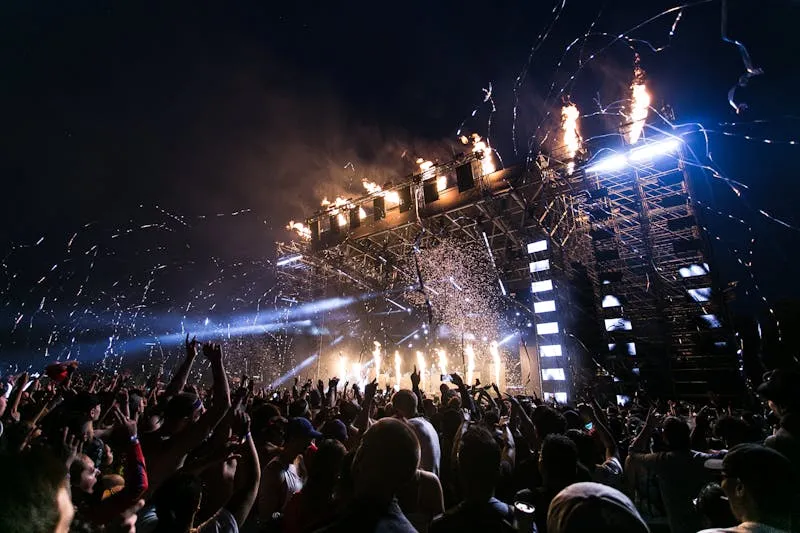
I had my festival epiphany at 22, lying in the mud at the Eurockéennes, at 7am, clutching a cup of warm wine while Nick Cave echoed from a neighbouring campsite. My mascara had migrated somewhere toward my temples. My phone had been dead for 14 hours. And I was — I remember this with ridiculous precision — deeply, absurdly happy.
Since that muddy July morning, I've done roughly thirty festivals in ten years. Giants (Glastonbury, Primavera, Coachella — yes, I caved once), niche gems (Pitchfork Paris, Trans Musicales), and tiny ones (events in Breton fields you've never heard of where the lineup was better than half of France's major venues). And I've developed a theory: the best festival isn't the one with the biggest lineup. It's the one you come home from transformed.
So here's my selection — subjective, unapologetic, and based on a single criterion: would I go back? Spoiler: not all the "big" names made the cut. And some small ones will surprise you.
How to choose your festival — the real criteria
Before naming names, let's set the ground rules. Because choosing a festival based solely on lineup is like choosing a restaurant based solely on the menu — you're forgetting the ambiance, the service, and whether the toilets are usable.
The lineup, obviously. But not the way you think. A festival with 3 acts you love and 50 you've never heard of is often better than one with 20 familiar names. Why? Because festival discoveries — those moments when you stumble onto a band at 3pm on the small stage and emerge with a new favourite — are the most lasting memories. Headliners, you can see on tour. Discoveries are now or never.
The venue. A seaside festival (Primavera, FIB) and a festival on a flat field in northern France are not the same experience. The site conditions everything: the sunsets, the chill zones, the camping quality, the options when rain arrives (and it will). City festivals (Rock en Seine, Pitchfork Paris, We Love Green) offer urban comfort — hotels, metro, restaurants — but lose the total immersion.
The crowd. It's the criterion nobody discusses and it's 50% of the experience. Hellfest concentrates passionate metalheads who are — by universal consensus — the friendliest festival crowd anywhere. Tomorrowland draws an international party crowd that can feel transactional. Glastonbury's crowd is a society unto itself. The crowd IS the atmosphere — and the atmosphere IS the festival.
The rock and indie essentials
Glastonbury (Somerset, England, late June) — The legend. The festival of festivals. 200,000 people, 100 stages, and a festival culture that exists nowhere else — circus, theatre, cinema, politics, spirituality, and yes, music. The lineup is always colossal (Radiohead, Beyoncé, Kendrick Lamar). But Glastonbury isn't a music festival — it's a temporary city with a soul. The catch: tickets (£300 + £50 fees) sell out in 20 minutes. Registration opens 6 months before. And it rains. Almost always. But the Glastonbury mud is part of the mythology.
Rock en Seine (Paris, late August) — France's premier rock festival, set in the stunning grounds of the Domaine de Saint-Cloud overlooking Paris. No camping (it's an "urban" festival), which means: your own bed at night but not the 24/7 immersion. The lineup is consistently outstanding — the kind of programming that mixes international headliners with French gems. 3-day pass: around €180.
Hellfest (Clisson, France, mid-June) — "But it's metal." Yes. And it's also the most respected festival in France, with the most wonderful crowd you'll ever meet. Even if metal isn't your genre, the Hellfest experience deserves trying at least once. The Valley stage (stoner, doom, psychedelic) is accessible to all audiences. 4-day pass: around €280, but it sells out in minutes — prepare well before tickets go on sale.
The electronic music temples
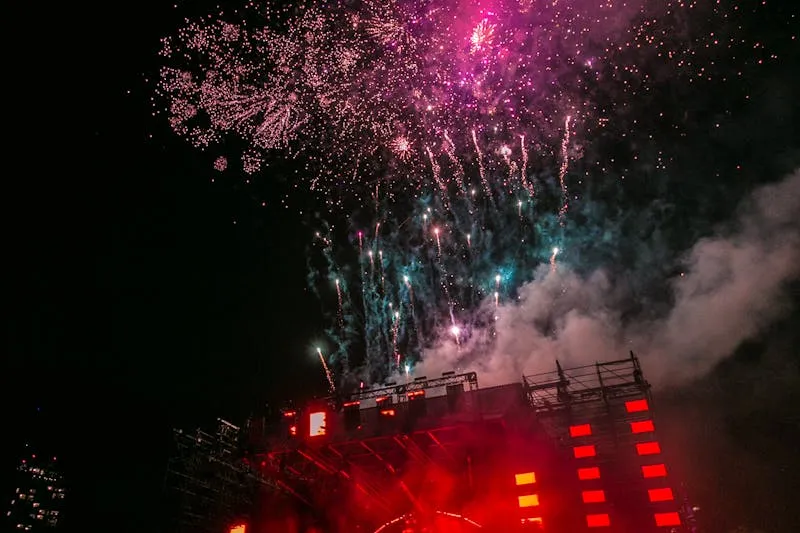
Nuits Sonores (Lyon, late May) — My absolute favourite for electronic music. Nuits Sonores transforms Lyon into a playground for 5 days — abandoned factories, museums, public squares, underground car parks. The programming is France's sharpest (Innervisions label, Berghain residents, Detroit and Chicago pioneers). But more importantly: the "Nights" + "Days" format lets you dance at night AND discover talks, exhibitions and workshops during the day. It's a complete cultural festival, not just a succession of DJ sets. 5-night pass: around €120.
Sonar (Barcelona, June) — Intellectual electronic music. Sonar has existed since 1994 and invented the concept of combining electronic music with digital art. "Sonar by Day" takes place in a contemporary art centre with interactive installations and tech talks. "Sonar by Night" unleashes the bass in a massive expo hall. It's the festival music industry people name when they want to show they have taste. And they're right. Full pass: €200-260.
Tomorrowland (Boom, Belgium, July) — Including it because it must be discussed, even if it's divisive. Tomorrowland is the world's largest EDM festival — 400,000 people over two weekends. The stage production is mind-blowing. But the lineup is mainstream, prices are eye-watering (weekend + camping: €400-500), and the vibe is more "theme park" than "underground movement." Worth experiencing once if spectacle appeals to you. Skip if you seek authenticity.
The eclectics — the ones that blend everything
Primavera Sound (Barcelona, late May / early June) — My favourite festival in the world. Full stop. Primavera offers 12 stages on the Mediterranean shore, a lineup mixing indie, electronic, rap, pop and world music with impeccable taste, and a waterfront site where you dance until sunrise — literally, the last sets end at 6am as the sun rises over the sea. The curation is visionary: Primavera programmes artists 2 years before they blow up. Full pass: €250-320.
We Love Green (Paris, Bois de Vincennes, early June) — The Parisian festival that made ecology its DNA without sacrificing programming. Solar-powered stages, compost toilets, zero single-use plastic, 100% responsible food court — and a lineup spanning hip-hop, electronic, pop and rock. 80,000 festivalgoers in 2024. No camping, but the metro is 10 minutes away. 2-day pass: around €120.
Roskilde (Denmark, late June / early July) — The historic Scandinavian festival (since 1971), run by a non-profit. 130,000 people, 8 stages, and programming mixing rock, hip-hop, electronic and world music. The atmosphere is deeply Scandinavian: respectful, egalitarian, relaxed. The campsite is a social experience unto itself — Danes transform their pitches into garden lounges with sofas, rugs and fairy lights. 8-day pass (including 4 warm-up days): around €280.
Realistic budget — what it actually costs
The pass price is the tip of the iceberg. Here's a realistic budget for a 3-4 day European festival:
| Item | Budget minimum | Comfort budget |
|---|---|---|
| Festival pass (3-4 days) | €100 | €300 |
| Transport (train/rideshare/flight) | €30 | €200 |
| Accommodation (camping or hotel) | €0-20 | €100-300 |
| Food on site (3-4 days) | €40 | €100 |
| Drinks on site | €30 | €80 |
| Equipment (tent, sleeping bag, etc.) | €0 (borrowed) | €80-150 |
| TOTAL | €200-220 | €660-1,130 |
How to reduce the bill:
- Rideshare — BlaBlaCar (Europe) is the festivalgoer's best friend. Festival-bound rides are plentiful and cheap
- Camp — free or nearly free at most festivals. Bring your own tent (even a €30 Decathlon tent does the job)
- DIY food — a camping stove, pasta, cheese, fruit. Festival food trucks charge €10-15 per meal. Self-catering: €5
- Volunteer — most festivals offer volunteer shifts in exchange for a free pass. You work 8-12h over the weekend (bar, welcome, tech) and enjoy the rest
- Early bird — first-release tickets are 20-40% cheaper. Watch for announcements from autumn onwards
Survival kit — what 10 years of festivals taught me

After 30+ festivals, here are the lessons I've learned — often the hard way.
Footwear. WELLIES. Even if it's sunny. Even if the forecast says 30°C. A 20-minute downpour turns a field into a swamp for 48 hours. Hunter or Aigle boots (or €15 Decathlon ones — they do the same job). And during dry daytime: trainers you're prepared to sacrifice. Not your pristine white Nikes. Not your Birkenstocks. Throwaway trainers you can bin at the end of the weekend without regret.
Earplugs. I'm serious. Festivals regularly exceed 100 dB — the threshold for irreversible hearing damage. Music-grade earplugs (Alpine MusicSafe, Loop Experience) filter volume without distorting sound. Invest €20-30. Your eardrums will thank you in 20 years.
Poncho, not umbrella. An umbrella at a festival is a public hazard (poked eyes) and a collective nuisance (nobody can see the stage). A disposable rain poncho weighs 50 grams and covers you head to knee. Bring 3 — you'll lose or give away at least one.
Bum bag / crossbody. No backpacks in the pit — you'll be hated and pickpocketed. A small bum bag or crossbody with phone, bank card, earplugs, and lip balm. That's all you need in the crowd.
Cash. Even in 2025, many festival bars and food trucks have unreliable card readers (network overload, dead batteries). Bring €50-100 in cash as backup. You'll thank me when the 4G network crashes and you're dying of thirst in front of a card-only bar with no signal.
Frequently Asked Questions About Music Festivals
What's the best festival for a first-timer?
In France, Les Vieilles Charrues (family-friendly atmosphere, well-oiled organisation, gentle prices) or Solidays (accessible by public transport, no camping required, welcoming atmosphere). In the UK, Latitude or Green Man offer similar accessibility. If you want the camping experience without the enormity, mid-size festivals are ideal — big enough for the lineup, small enough not to overwhelm.
Should I buy tickets well in advance?
For festivals that sell out (Hellfest, Glastonbury, Tomorrowland): it's ticket-release day or nothing. For others: early bird prices (6-9 months ahead) offer 20-40% savings. Prices increase in tiers. Wait until the last month and you'll pay full price — if tickets are even available. General rule: as soon as you know you're going, buy.
Can you go to a festival alone?
Yes, and I recommend it at least once. Festivals are the easiest places in the world to meet people — you share a campsite, a queue, a pit. Facebook groups and Reddit threads for "solo" festivalgoers are very active — you can find camping companions before you even arrive. One piece of advice: tell someone your itinerary and set a daily safety check-in at a fixed meeting point.
How do you handle the heat at a festival?
Hydrate aggressively (2-3 litres of water per day minimum), wear a hat, apply sunscreen every 2 hours (even if you think you don't burn), and seek shade during peak hours (12-4pm). If camping: do NOT stay in your tent after 9am — the greenhouse effect turns a tent into a 45°C oven. Most festivals have free water points — locate them on arrival.
Are music festivals safe?
Generally yes — major festivals are managed with significant security (stewards, medics, medical posts). Main risks are: pickpocketing (keep valuables in your crossbody, not back pocket), heatstroke (hydrate), and fainting in the pit (if you feel unwell, head toward the sound desk, not the centre of the crowd). Sexual assault remains a real problem — most festivals now have "safe space" points and dedicated teams. Never hesitate to report.