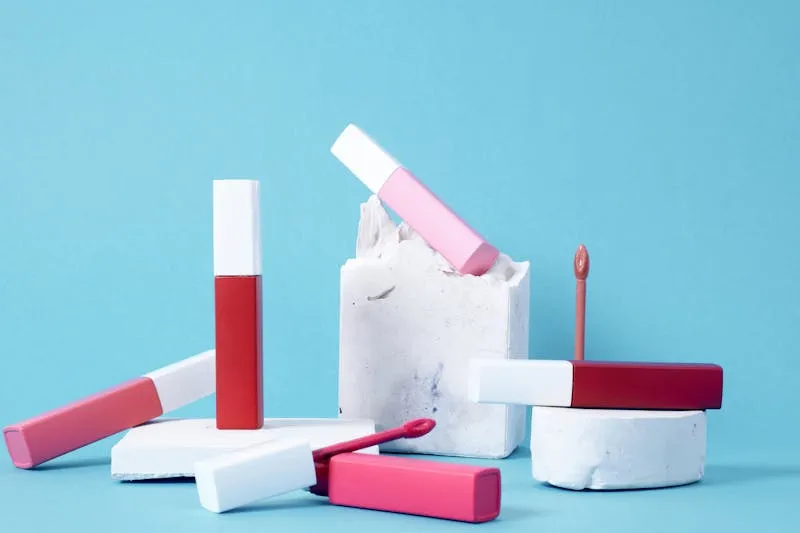
Someone gave me a 47-piece brush set for Christmas. Forty-seven. In a pink faux-leather case with gold clasps. It was gorgeous. It was impressive. And three years later, I use five of them. Five brushes, a sponge, and my fingers. The rest are decorative in a pot on my dresser. And you know what? My makeup has never looked better.
This guide is everything I wish someone had told me before spending £60 on my first set. We're talking about the brushes you actually use, the ones you absolutely don't need (spoiler: lots of them), the great brush vs sponge vs fingers debate, and cleaning — because yes, you need to do it, and no, it's not as tedious as you think.
Brush anatomy: understand it to make better choices
Before buying anything, you need to understand what separates a good brush from a bad one — and it's not always the price. A brush has three parts: the bristles (the head), the ferrule (the metal ring holding everything together), and the handle. And it's the head that changes everything.
Natural vs synthetic bristles: the real debate
For years, the rule was simple: natural for powders, synthetic for liquids. Natural bristles (sable, squirrel, goat, pony) are porous — they absorb pigments better from dry formulas and distribute them in an airy, diffused way. Synthetic bristles (nylon, Taklon) don't do that as naturally. Result: with a powder formula, a synthetic brush could leave streaks.
But synthetic formulations have advanced so much since around 2015 that this rule is nearly obsolete. Today, good synthetics (Real Techniques — a brand founded by British YouTube pioneer Samantha Chapman, worth noting — Sigma, EcoTools) work perfectly for everything, powders and liquids alike. And they have two decisive advantages: they're vegan-friendly, and they clean infinitely better. Natural bristles absorb foundation residue deep into the fibres and end up smelling of old makeup. Synthetics dry in about 30 minutes.
Shape: what it tells you about function
Brush shape isn't decorative. It dictates function:
- Flat and dense → precise application, maximum coverage (foundation, eyeshadow)
- Dense dome → blending, light and even application (blush, bronzer)
- Fine point → surgical precision (eyeliner, brow detailing)
- Fan brush → we'll get to this later, but to spoil it: gimmick
- Stipple / duo-fibre → foundation application with an airbrushed, no-streak effect
The 5 brushes you actually use
If you had to keep just five brushes — or build your kit from scratch — these are the ones. Nothing else. Everything beyond this is optional.
1. The foundation / stipple brush
The big foundation question — brush or sponge — gets a full section below. But if you prefer a brush, go for a stipple brush (two layers of bristles, long and short, that create an airbrushed effect) or a flat brush with rounded edges. The stipple works particularly well for oily and combination skin: it deposits foundation without pressing into pores, which prevents that magnified-texture look.
Brands that do this well: Real Techniques Expert Face Brush (very good, very British, ~£8), ELF Cosmetics Stipple Brush (~£8), IT Cosmetics Heavenly Luxe (a step up, ~£28).
2. The powder / kabuki brush
Large, dense, domed — it sets your foundation, mattifies if needed, evens everything out. This is probably the easiest brush to use and the cheapest to find in decent quality. A Sigma F30 at £18 will do the same job as a Charlotte Tilbury powder brush at £42. At Boots or Superdrug, you'll find perfectly serviceable options from Real Techniques for under £10.
3. The blush / bronzer brush
Slightly smaller than the powder brush, angled or domed depending on your preference. An angled brush lets you place blush precisely on the cheekbones without overstepping. A dome gives a more blended, natural result. For bronzer, the dome is generally more flattering as it diffuses the product widely without sharp edges.
One brush does the job if you alternate between blush and bronzer and clean it between uses (or if you stick to one or the other).
4. The flat eyeshadow brush (shader)
Flat, dense, with a clear deposit surface. This is what goes colour onto your lid. Nothing complicated: a brush about 1–1.5cm wide, synthetic or natural depending on your pigments and preference.
5. The brow / liner brush
Fine, firm, angled. It maps out your brows with precision (using a brow powder or eyeshadow), draws a clean eyeliner, or can place a precise kohl line along the lash line. It's the most "technical" of the five, the one that takes a little practice — but once you've got it, you won't go back.
Foundation: brush vs sponge vs fingers
This is THE question that divides makeup artists, beauty editors, and Reddit forums alike. And honestly? There's no single right answer — there's an answer that fits your skin, your formula, and the finish you're after. Here's the straight-talking breakdown.
The brush: maximum coverage, matte finish
Advantages: precise application, modulable coverage (more pressure = more coverage), mattier finish, excellent for high-coverage liquid foundations or thicker formulas.
Disadvantages: can leave brush strokes if the formula is too thick or if you work too slowly. It can accentuate pores if you press too firmly. And some foundations — especially those from Boots' own ranges — are quite fluid and slip off a brush before you can blend them.
Best for: oily skin seeking a long-wear matte finish, high-coverage foundation, evening makeup that needs to last.
The sponge: winner for most normal-to-dry skin
Advantages: unmatched skin-like finish, perfect blending, no visible strokes. A damp sponge absorbs excess product and only deposits what the skin needs. Result: a second-skin effect that a brush genuinely cannot replicate.
Disadvantages: it "drinks" foundation — especially if you use it dry (never do this). You have to wring it out properly after dampening. It gets dirty fast and is harder to fully clean than a brush over the long term.
Best for: normal-to-dry skin, light-to-medium coverage, everyday natural-looking makeup.
Fingers: the secret weapon of the time-poor
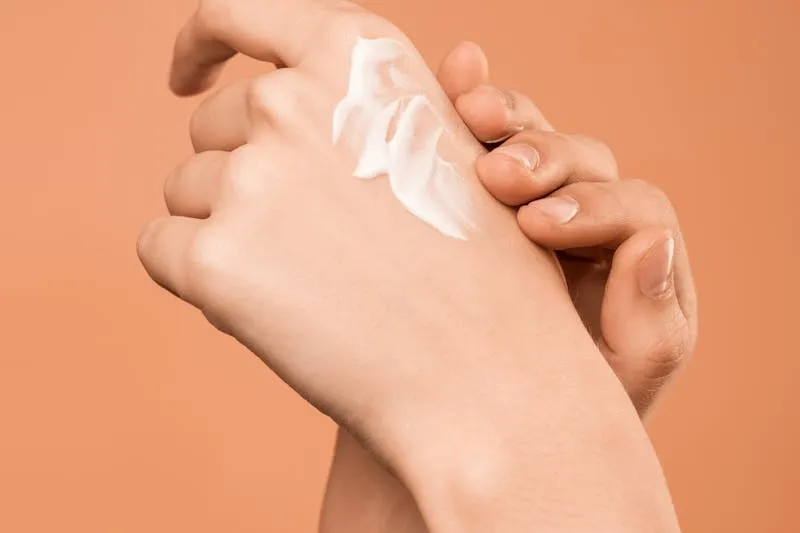
Advantages: fast, nothing to clean, and the warmth of your fingers literally melts foundation into your skin. For stick foundations, cream formulas, or tinted moisturisers, fingers are often the best tool.
Disadvantages: bacteria. If you're prone to breakouts, your fingers aren't your friends — even freshly washed, you transfer sebum and micro-residues. Also: no precise coverage on specific spots.
Best for: stick or cream foundation, minimal makeup, the 6am Monday morning emergency.
Eye brushes: you only need two, honestly
This is where the makeup industry has sold us the most fantasy. Eye palette sets come with 12 dedicated brushes. Reality? You use two. Maybe three if you're doing elaborate smoky eyes several nights a week — which statistically, you're not.
Brush 1: the flat shader
It deposits colour on the mobile lid. Flat, dense, with clean edges. This is the workhorse of your eye routine. Pack on eyeshadow (matte, shimmer, or glitter), press for coverage, off you go. Nothing fancier required.
Brush 2: the blending brush
Domed, soft — this is what transforms a stark line into a gradient. You use it clean (without product or with minimal product) to soften edges. This brush is what separates amateur-looking eyes from polished ones — not because it's expensive, but because it does the blending work.
Good news: Real Techniques, Morphe, and ELF all offer solid options for £5–£12. You don't need to spend £30+ to get this right.
The optional third eye brush
If you regularly do inner corner highlights or a tight-line with a pencil, a small flat liner or smudge brush can help. But it's a nice-to-have, not an essential.
The brushes you don't need
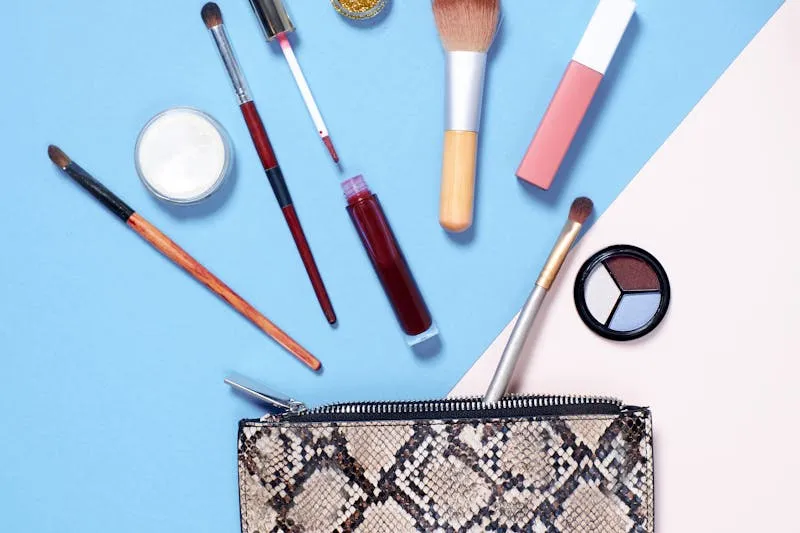
Nobody says this clearly enough. These brushes exist. They look lovely in packaging. And for the vast majority of us, they serve no real purpose.
The fan brush
Supposedly good for a dusting of highlighter or a whisper of blush. Real-world result: it deposits so little product it makes no visible difference to your skin, or it fans powder everywhere except where you want it. Professional makeup artists who use it have very specific techniques on photo shoots. In your bathroom at 7am, it's basically a countertop duster.
Replace it with: your blush brush loaded very lightly for a similar result, but one you can actually control.
The lip brush
In theory, it lets you draw precise lip lines and decant lipstick from the bullet for millimetre-perfect application. In practice: apply your lipstick straight from the bullet, clean up the edges with a fingertip. Identical result. And you don't have a waxy brush to clean. Available at every Boots and Superdrug if you ever truly need one.
Real exception: if you wear very dark shades (deep plum, burgundy, near-black) and want a laser-precise edge. But a matching lip liner does that better anyway.
The contour brush
Chiselled Kardashian-level contouring does require a specific angled brush — when you want an ultra-precise, sculpted result. But for the 90% of people who just want to warm up their temples and slightly define their face, a domed bronzer brush gives the same result, only more natural. Fingers also work brilliantly for cream contour.
The standalone kabuki
The small domed kabuki that comes in a kit. If you already have a powder brush (large dome), this is the same tool with a shorter handle. You don't need both. Keep the larger one.
The vague "multi-purpose" brushes
The ones marketed as "contouring & blush & highlighter & powder". A brush can't do everything well. It's designed for a specific deposit weight, density, and precision level. "All-in-one" brushes are usually mediocre at everything they claim to do.

Budget vs luxury: does price actually matter?
Honestly? Yes and no. And it depends entirely on the type of brush.
Face brushes: price barely matters
A powder brush at £8 (ELF, EcoTools, Real Techniques — all available at Superdrug) does exactly the same job as one at £40 (NARS, Charlotte Tilbury, Artis). The contact surface is large, the motion is ample and forgiving, and the bristle density doesn't need to be ultra-precise. I've tested both side by side. The difference was invisible on my skin.
Same for blush and bronzer: shape matters more than brand name. A domed angled brush from Morphe at £12 will outperform a famous-brand "design" brush at £35 if the latter has the wrong shape for your face.
Eye brushes: this is where quality shows a bit more
Eye brushes — particularly the shader and blending brush — genuinely benefit from better-quality bristles. Why? Because precision and softness of deposit make a real difference on a small surface. A cheap brush with scratchy or splaying bristles will frustrate you. A blending brush that doesn't hold enough product means you're constantly reloading.
The sweet spot: £12–£25 per quality eye brush (Sigma, Morphe, Zoeva, Urban Decay, all findable at Beauty Bay or Space NK). Below that: Real Techniques and ELF are genuinely solid. Above that (MAC, Charlotte Tilbury): top quality, but often not justified versus Sigma's prices.
The premium synthetic case
Brands like Artis have genuinely revolutionised synthetic brushes with ultra-fine fibres that give an almost airbrush-quality finish. The results are real. The prices (£25–£70 per brush) are also very real. If you want to trial the quality without committing, IT Cosmetics Heavenly Luxe brushes offer comparable fibre quality at slightly more accessible prices.
Cleaning your brushes: the honest guide
The bit everyone knows they should do and nobody actually enjoys doing. So let's be straightforward about what you genuinely need to do, how often, and with what.
The actual frequency (not the magazine version)
Magazines tell you to clean your brushes after every single use. Nobody does that. Here's the realistic version:
- Foundation and concealer brushes: once a week. These carry liquid and bacteria directly — this is where it can affect your skin.
- Powder brushes (blush, bronzer, loose powder): every two weeks. They carry less product and dry quickly.
- Eye brushes: every two weeks, more often if you're moving between light and dark shades.
- Lip brush: after each use if you're diligent, or with every colour change.

The method: what you actually need
You don't need a specialist brush cleanser at £18. Genuinely. The most effective methods I've tested:
- Baby shampoo (gentle, sulphate-free varieties) — perfect for synthetics and easy to find at any Boots or Superdrug
- Solid Marseille soap or a gentle bar soap — slightly more stripping, great for natural bristles loaded with foundation
- Solid brush cleanser (Cinema Secrets, Sigma) — brilliant for quick colour changes between eye shades, not a substitute for a deep clean
What you should NOT use: washing-up liquid (too stripping, damages bristles and loosens the ferrule glue), neat alcohol (same problem, plus it can dissolve the adhesive holding bristles in place), pure oil (hard to rinse out, leaves a coating that attracts product build-up).
How to actually wash them
1. Wet the bristles under lukewarm water (never hot — it loosens the ferrule). 2. A pea-sized amount of baby shampoo in your palm. 3. Gently massage the bristles in a circular motion in your palm — you'll see the colour release immediately. 4. Rinse under lukewarm water, repeat if necessary. 5. Gently squeeze out excess water (never wring or twist). 6. Reshape the bristle head with your fingers. 7. Lay flat on a clean towel to dry, head slightly angled downward if you can manage it.
The sponge: the real queen of foundation
You can't talk about makeup brushes without addressing the sponge — because for many of us, it's quietly replaced the foundation brush almost entirely. And often with very good reason.
Beauty Blender vs dupes: the honest truth in 2024
The original Beauty Blender (around £16–£18 at Boots or Space NK) remains the reference for a real reason: its micro-porous foam is patented and genuinely different. It absorbs just the right amount of product and taps the rest on evenly. The bounciness and texture of the original is hard to replicate.
That said, dupes have improved enormously. The best ones available in the UK:
- Real Techniques Miracle Complexion Sponge (~£7 at Superdrug): slightly flatter shape, but genuinely performs
- Revolution Beauty IRL Whipped Blending Sponge (~£6): excellent texture for the price
- ELF Cosmetics Beautifully Precise Blending Sponge (~£7): budget winner, surprisingly good
- NYX Professional Makeup Blending Sponge (~£8 at Boots): reliable, consistent results
My advice: if you're starting out, try the Real Techniques dupe before committing to the Beauty Blender. If you feel a meaningful difference, upgrade. If not, keep your £10 and spend it on something that actually matters.
When to use the sponge vs the brush
The sponge wins most of the time. It loses on:
- Very fluid, low-coverage foundations (a brush gives you more control over deposit)
- Tricky areas — nose creases, under-eye — where a brush is more precise
- Full-coverage, long-wear maquillage (a brush deposits more product more efficiently)

Cleaning the sponge: more often than brushes
Weekly at minimum, after every use if you're acne-prone. An unwashed sponge is a bacterial breeding ground — and as it's in direct contact with your entire face, it's the first place to look if you're having unexplained breakouts.
Method: solid soap works brilliantly (Marseille soap, or a gentle bar from Lush), massage the dampened sponge in your palm with pressing motions, rinse until the water runs clear. A well-maintained sponge lasts 3–6 months — beyond that, it tears, loses its bounce, and should be replaced.
Storage: what actually works vs what's Instagram-only
A pot of brushes on a dressing table. It's in every makeup station photo ever taken. And it's also one of the most misleading images in terms of hygiene and practicality.
What's Instagram-only
The vase with acrylic beads: aesthetically lovely, completely useless. The beads don't stabilise brushes properly, scatter everywhere when you pull one out, and collect dust and makeup residue between them. Hygiene level: zero.
The rotating transparent display: bulky, collects dust, and the brushes at the back never get used.
The magnetic wall brush holder: visually very strong on a flat lay. In practice, you forget to put brushes back in it and spend five minutes hunting for your blending brush every morning.
What actually works
The flat roll-up pouch: take it everywhere, brushes lay flat, bristles don't get deformed. Ideal if you apply makeup in different spots or travel frequently. Liberty London and John Lewis both do lovely versions if you want something a bit special.
The brush roll: same logic, more organised. Each brush has its slot, you see everything at a glance when unrolled.
A simple opaque pot (no beads): if you always do your makeup in the same spot, this is the simplest solution. Opaque prevents light from degrading natural bristles over time. Just make sure brushes are fully dry before storing them upright — damp brushes stored in a pot will develop mildew at the base.
Frequently asked questions about makeup brushes
How many brushes do you actually need for a complete makeup routine?
Five brushes are genuinely enough for a complete everyday routine: one for foundation or setting powder, one for blush/bronzer, one flat shader for eyes, one domed blending brush for eyes, and a fine angled brush for brows or liner. Add a damp sponge for foundation if that's your preference, and you've covered 100% of daily needs. Sets of 20–47 brushes are designed for professional makeup artists doing elaborate editorial looks. For personal use, they're largely superfluous — and they clutter your kit so badly you stop being able to find what you actually need.
How do I know when my brushes are too dirty and need washing?
Several signals: the bristles are stiff with product residue and won't return to their shape, the brushes are depositing a different colour than the product you're using (old colour contaminating the new one), they smell stale or slightly rancid, or you're having unexplained breakouts. As a general rule, a foundation brush used daily without washing will show visible build-up within three weeks. For eye brushes, the colour contamination is usually the first sign — your nude shade suddenly looks brown because of yesterday's smoky eye.
Can you use the same brushes for cream and powder products?
Technically yes, but it's not ideal. Synthetic brushes are the most versatile — they can handle liquid, cream, and powder formulas. Natural bristle brushes absorb creamy formulas and are much harder to clean thoroughly afterwards. If you want to use the same brushes across formula types, make sure they're synthetic and let them dry completely between a liquid and a powder product. A brush still damp from foundation going into a loose powder will create patches and clumping — not the effect you're after.
What's the difference between a stipple brush and a flat foundation brush?
A stipple brush (also called duo-fibre) has two layers of bristles: longer fibres pick up the product, shorter ones blend it immediately. Result: foundation is applied with a very soft tapping motion, with minimal streaking and a more airbrushed finish. A flat brush deposits colour with traditional brush strokes — more coverage, more control, but higher risk of visible lines if you press too hard or work too slowly. For skin with visible pores, the stipple is generally more flattering. For skin seeking fast, high-coverage application, the flat brush is more efficient.
Does an expensive brush really last longer?
Generally yes — but with nuance. A well-maintained budget brush (ELF, Real Techniques, EcoTools, all at Superdrug or Boots) can outlast a luxury brush that's poorly cared for. The real difference is in the ferrule quality and bristle adhesion: premium brands use seamless ferrules and stronger bonding, so you lose fewer bristles over time. But if you wash your brushes regularly and dry them flat (not upright), even an £8 brush can last two to three years. Maintenance matters more than price tag.
How often should I replace a makeup sponge?
A well-maintained sponge lasts three to six months. Time to replace it when: it tears or crumbles in pieces, it has a persistent smell even after washing, it no longer bounces back to its original shape after drying, or it has permanent makeup staining that won't shift. If you're acne-prone, some skin specialists suggest replacing sponges every one to three months to reduce bacterial risk. With a proper weekly wash, three months is a reasonable minimum before starting to think about replacement.
What's a quick-dry brush cleanser, and do I need one?
A quick-dry brush cleanser (Cinema Secrets is the cult favourite, also available via Beauty Bay; Isoclean is popular too) is an isopropyl alcohol-based product that evaporates in seconds. It's designed for cleaning a brush between colours during a makeup session — switching from a brown shade to a cream without waiting 20 minutes for the brush to dry. It's not a substitute for a deep wash: it disinfects but doesn't remove deep product build-up. Useful if you do makeup on others or switch colours frequently in one session. For a personal daily routine? You almost certainly don't need it.