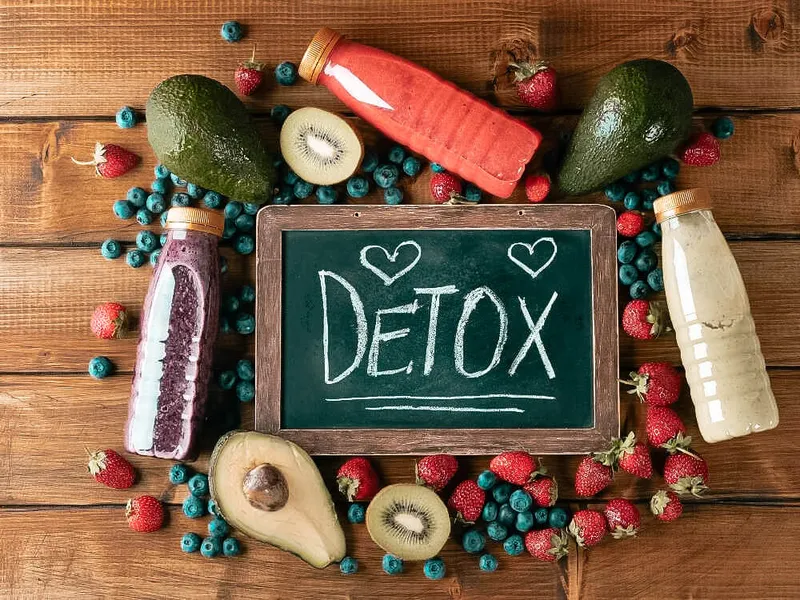
A friend once showed me a €65 "detox kit" she'd bought online: seven sachets of green powder, a herbal tea, and a booklet telling her to eat nothing but raw vegetables for five days. I asked her what, exactly, the kit was detoxifying. She paused. "Toxins?" she said, with the rising intonation that tells you she was guessing. She couldn't name a single one. This isn't her fault — the detox industry deliberately keeps things vague because specificity would require evidence, and evidence is where most detox products completely fall apart. But here's the thing: your body genuinely does detoxify itself, through real, measurable biochemical pathways — and there are legitimate, science-backed ways to support those pathways. You just don't need to spend €65 on green powder to do it.
What "detox" actually means in biology
In biochemistry, detoxification is the process by which your body converts harmful or unusable substances (metabolic waste, environmental chemicals, drug metabolites, excess hormones) into water-soluble compounds that can be excreted through urine, bile, sweat, or breath. It's happening right now, as you read this, in every cell of your body — but primarily in your liver.
The liver performs detoxification in two phases:
Phase I (functionalisation): enzymes called cytochrome P450 oxidase break down toxins into intermediate metabolites. These intermediates are often more reactive (and sometimes more toxic) than the original substances — which is why Phase II must follow quickly.
Phase II (conjugation): the reactive intermediates from Phase I are combined with molecules like glutathione, sulfate, or glucuronic acid, making them water-soluble and safe for excretion. This is the step where the "toxin" actually becomes harmless and removable.
Both phases require specific nutrients to function: B vitamins, magnesium, zinc, selenium, amino acids (especially glycine, cysteine, and glutamine), and antioxidants. A nutrient-deficient diet literally impairs your body's ability to process and eliminate harmful substances — not because you need a "detox supplement," but because the biochemical machinery runs on nutrients the same way a car runs on petrol.
The kidneys filter blood, removing water-soluble waste products and excess electrolytes. The lungs expel volatile compounds (like carbon dioxide and certain anaesthetic gases). The skin excretes small amounts of waste through sweat. The intestines eliminate bile-bound toxins through faeces. This is your detoxification system — it's real, it's measurable, and it works 24/7 without intervention.
The detox industry: what's real, what's marketing
The detox product market generates an estimated €5 billion annually in Europe alone. Here's an honest look at what's being sold:
Juice cleanses (3–7 days of only juice): you'll lose weight, yes — because you're consuming 600–1,000 calories per day instead of your normal 1,800–2,200. That's caloric restriction, not detoxification. The weight loss is primarily water and glycogen (stored carbohydrate), not fat. It returns within days of resuming normal eating. Meanwhile, the lack of protein impairs Phase II liver detoxification (which requires amino acids), the lack of fibre disrupts gut transit (which eliminates bile-bound toxins), and the sugar content of most fruit-heavy juices causes insulin spikes. Juice cleanses may actually impair detoxification rather than enhance it.
Detox teas: most contain senna, a herbal laxative that stimulates bowel movements. The "I feel lighter" effect is from faster gut transit — you're eliminating stool faster, not toxins. Chronic senna use can cause dependency (your bowel forgets how to function without it), electrolyte imbalances, and dehydration. Some detox teas also contain dandelion root (mild diuretic — you'll urinate more, mistaking water loss for "cleansing") and green tea extract (legitimate antioxidant, but available in a simple cup of green tea without the markup).
Activated charcoal drinks: activated charcoal binds to certain substances in the gastrointestinal tract, which is why hospitals use it for specific poisoning emergencies. But it doesn't selectively bind "toxins" — it binds indiscriminately, including to medications, nutrients, and vitamins. Drinking charcoal lemonade can interfere with oral contraceptives, antidepressants, and other medications. And it has zero effect on substances already absorbed into your bloodstream, which is where most metabolic processing occurs.
What actually has evidence: eating more cruciferous vegetables (broccoli, kale, Brussels sprouts) genuinely upregulates Phase II detoxification enzymes. Adequate protein intake provides the amino acids Phase II requires. Fibre supports gut-based toxin elimination. Hydration supports kidney filtration. These aren't glamorous. They don't come in Instagram-worthy packaging. But they're what the science actually supports.
Your natural detoxification organs and how they work
Understanding these organs helps you appreciate what actually supports — and what genuinely overloads — your body's natural cleansing capacity.
Liver. Your chemical processing plant. Everything absorbed through your intestines passes through the liver first (via the portal vein) before entering general circulation. The liver neutralises alcohol, medications, environmental chemicals, excess hormones, and metabolic byproducts. It processes roughly 1.5 litres of blood per minute. Supporting it means: adequate nutrient intake for Phase I/II enzymes, limiting alcohol (which directly damages liver cells), maintaining a healthy weight (fatty liver disease impairs function), and eating foods that upregulate detoxification enzymes.
Kidneys. Your blood filtration system. They process approximately 180 litres of blood daily, producing 1–2 litres of urine containing water-soluble waste. Supporting them means: staying adequately hydrated (not excessively — overhydration is unnecessary and can be dangerous), limiting excessive sodium (which strains kidney filtration), and monitoring blood pressure (hypertension damages the delicate filtration structures over time).
Intestines. Your waste removal system. Fibre binds to bile acids (which carry toxins from liver Phase II processing) and ensures they're excreted rather than reabsorbed. A healthy gut microbiome also helps metabolise certain compounds and produces short-chain fatty acids that support intestinal barrier integrity. Supporting them means: eating 25–35g of fibre daily, maintaining a diverse gut microbiome through varied whole foods, and not overusing laxatives (which disrupt the microbiome and bowel function).
Lungs. Expel volatile waste compounds with every breath. Deep breathing exercises genuinely enhance gas exchange efficiency, though the detoxification impact is relatively minor compared to liver and kidneys.
Skin. Sweating eliminates trace amounts of heavy metals and certain chemicals, but the volume is tiny compared to kidney and liver processing. The health benefit of sweating (from exercise or sauna) is primarily cardiovascular and circulatory, not detoxification. Claims that infrared saunas "sweat out toxins" dramatically overstate the skin's excretory capacity.
Foods that genuinely support detoxification
These aren't "detox superfoods" in the marketing sense — they're foods that provide specific nutrients your liver, kidneys, and gut need to perform their natural detoxification functions efficiently.
Cruciferous vegetables (broccoli, cauliflower, Brussels sprouts, kale, cabbage). Contain sulforaphane and indole-3-carbinol, which activate Phase II detoxification enzymes (specifically glutathione S-transferase). This is one of the most well-evidenced dietary detox claims in nutrition science. Aim for at least one serving daily. Light steaming preserves more sulforaphane than boiling; raw is best for broccoli sprouts, which contain the highest concentrations.
Garlic and onions. Rich in organosulfur compounds that support both Phase I and Phase II enzymes, plus they stimulate glutathione production — the body's most important antioxidant and a critical Phase II conjugation molecule. Raw garlic is most potent; let crushed garlic sit for 10 minutes before cooking to maximise allicin formation.
Berries (blueberries, strawberries, blackberries, raspberries). Exceptionally high in anthocyanins and other polyphenols that reduce oxidative stress — the metabolic "exhaust" from Phase I detoxification. Antioxidants don't perform detoxification themselves; they protect cells from the oxidative damage that detoxification processes generate as a byproduct.
Turmeric. Curcumin, the active compound in turmeric, upregulates Phase II enzymes and has anti-inflammatory properties. Bioavailability is naturally low — combine with black pepper (piperine increases curcumin absorption by up to 2,000%) and a fat source (curcumin is fat-soluble). A daily golden latte or curry with turmeric and black pepper is a legitimate, enjoyable way to support liver function.
Leafy greens (spinach, Swiss chard, rocket). Rich in chlorophyll, which may help bind environmental toxins in the gut before absorption, and in folate, which supports Phase I methylation reactions. The iron in leafy greens also supports red blood cell production, which improves oxygen delivery to all organs including the liver.
Citrus fruits. Vitamin C supports glutathione recycling and is a cofactor for several Phase I enzymes. Lemon in water is lovely and hydrating, but it's the vitamin C doing the work, not any mystical "alkalising" effect (your blood pH is tightly regulated regardless of what you eat). An orange, a kiwi, or a bell pepper provides equal or more vitamin C.
Green tea. Contains catechins (especially EGCG) that support Phase II enzyme activity and provide potent antioxidant protection. Two to three cups daily is the evidence-supported dose. More than five cups may impair iron absorption due to tannin content.
What to reduce: the inputs that overload your system
Supporting detoxification isn't just about what you add — it's equally about reducing the load on your system.
Alcohol. The single most impactful thing you can do for your liver. Alcohol is directly hepatotoxic — it damages liver cells and generates acetaldehyde (a toxic intermediate) during metabolism. Even moderate regular consumption impairs liver efficiency over time. Reducing or eliminating alcohol for periods gives your liver genuine recovery time. This is one case where the word "detox" is literally, medically accurate.
Ultra-processed foods. High in additives, preservatives, artificial colours, emulsifiers, and refined ingredients that your liver must process. Replacing ultra-processed foods with whole foods reduces the workload on your detoxification system significantly. You don't need to be absolutist — but shifting the ratio toward 80% whole foods is a meaningful improvement for most people.
Excess sugar. High sugar intake promotes non-alcoholic fatty liver disease (NAFLD), where fat accumulates in liver cells and impairs their function — including detoxification capacity. Fructose is particularly problematic because it's metabolised almost exclusively by the liver. Reducing added sugar (not fruit — whole fruit is fine) supports liver health directly.
Environmental exposure. BPA in plastic containers (especially when heated), pesticide residues on produce (wash thoroughly or buy organic for the Dirty Dozen), cleaning product chemicals (use in ventilated areas), and personal care product chemicals (parabens, phthalates) all add to your body's processing burden. You can't eliminate all environmental chemical exposure, but conscious choices about the biggest sources reduce the total load meaningfully.
A realistic 7-day reset plan (no starvation required)
This isn't a "detox" in the marketing sense — it's a week of eating and living in a way that optimally supports your body's natural detoxification processes. No special products required. No starvation. No misery.
Daily foundations (all 7 days):
- 2+ litres of water throughout the day (more if active or warm weather)
- Zero alcohol
- Zero ultra-processed foods (nothing with an ingredient list you can't pronounce)
- Minimal added sugar (honey and maple syrup in moderation are fine)
- At least one serving of cruciferous vegetables
- At least one portion of lean protein (chicken, fish, eggs, tofu, legumes)
- 30 minutes of moderate movement (walking counts)
- 7–8 hours of sleep (sleep is when the glymphatic system clears brain waste)
Sample day:
- Morning: warm water with lemon, then scrambled eggs with sautéed spinach and a handful of cherry tomatoes. Green tea
- Snack: an apple with a tablespoon of almond butter
- Lunch: grilled salmon over mixed greens with roasted broccoli, avocado, and a lemon-olive oil dressing. Water with cucumber slices
- Snack: a handful of blueberries and walnuts
- Dinner: chicken stir-fry with garlic, ginger, kale, bell peppers, and brown rice. Turmeric golden milk before bed
This isn't deprivation — it's eating well. The meals are filling, nutritious, and genuinely delicious. You're not removing food; you're removing processed food, alcohol, and excess sugar. Your body receives every nutrient it needs for optimal Phase I and II processing, your gut gets fibre for bile acid elimination, and your kidneys get adequate hydration for filtration. After seven days, most people report genuinely improved energy, clearer skin, and better digestion — not because "toxins" have left, but because they've given their body ideal operating conditions.
Hydration's role: how much water you actually need
Hydration supports kidney function, but the "drink 3 litres of water a day to flush toxins" advice dramatically overstates what happens. Your kidneys adjust filtration rate based on hydration status — drinking more water produces more dilute urine, but the total amount of waste removed per day stays roughly constant. You're not "flushing" more toxins; you're diluting the same amount in more water.
That said, chronic mild dehydration (which is common in people who drink mainly coffee, tea, and flavoured drinks) does impair kidney efficiency. The goal is adequate hydration — roughly 2 litres of total fluid per day for most adults, more in hot weather or during exercise. Your urine colour is the best guide: pale straw = well hydrated, dark yellow = drink more, completely clear = you're overhydrating and wasting water.
What counts: water, herbal tea, sparkling water, infused water (cucumber, mint, berries). What doesn't count toward hydration goals: alcohol (net dehydrating), heavily caffeinated drinks in excess of 3–4 cups (mild diuretic effect), sugary drinks (the metabolic cost of processing the sugar partially offsets the hydration benefit).
When to actually worry: signs your detox organs need medical attention
Most of the time, your detoxification system handles everything thrown at it without you needing to think about it. But certain signs suggest genuine impairment that requires medical evaluation, not a juice cleanse:
Liver: persistent fatigue, yellowing of skin or eyes (jaundice), dark urine, pale stools, persistent nausea, upper right abdominal pain, easy bruising, or spider-like blood vessels on the skin. Any of these warrant a doctor's visit and blood tests (liver function panel).
Kidneys: foamy urine (may indicate protein leakage), blood in urine, persistent lower back pain, significant changes in urine volume, or swelling in feet and ankles (fluid retention). Request a kidney function panel (eGFR and creatinine).
General: unexplained weight loss, persistent skin rashes or itching, chronic headaches, or cognitive fog that doesn't improve with sleep and nutrition. These can have many causes, but impaired detoxification is one possibility worth investigating.
If you have a genuine concern about toxic exposure (occupational chemicals, environmental contamination, heavy metal exposure), see a doctor who can order specific tests — blood heavy metals, urine analysis, or liver function panels. A green smoothie is not an appropriate response to legitimate toxicology concerns.
Frequently asked questions
Do detox diets actually remove toxins from the body?
Commercial "detox" diets have no evidence of removing specific toxins beyond what your body does naturally. A 2015 systematic review in the Journal of Human Nutrition and Dietetics found no compelling evidence that detox diets remove toxins or improve health beyond what a balanced diet achieves. What detox diets can do — by emphasising whole foods and eliminating alcohol, sugar, and processed food — is reduce the input load on your detoxification system, which is genuinely beneficial. But this is achievable through normal healthy eating, not expensive products.
Is a juice cleanse ever a good idea?
As a short-term way to increase fruit and vegetable intake, a day or two of juicing alongside regular meals can be fine. As a multi-day fast replacing all solid food, it's counterproductive: the lack of protein impairs Phase II liver detoxification, the lack of fibre impairs gut-based toxin elimination, the sugar content spikes insulin, and the caloric deficit triggers stress hormones. If you enjoy juice, drink it as a supplement to meals, not a replacement. Your liver doesn't benefit from starvation.
How often should I "detox"?
If you're eating a varied whole-food diet, maintaining hydration, exercising regularly, and sleeping well — you're supporting your detoxification system continuously. There's no need for periodic "resets." If you regularly consume alcohol, processed food, and excess sugar, a week of clean eating periodically (monthly, quarterly) gives your liver a genuine break. But the goal should be shifting your baseline habits, not cycling between indulgence and deprivation.
Can I detox through sweating?
Minimally. Sweat contains trace amounts of heavy metals and certain chemicals, but the volume is tiny — your kidneys and liver handle the vast majority of waste elimination. Exercise and sauna use have genuine health benefits (cardiovascular fitness, stress reduction, improved circulation), but "sweating out toxins" overstates the excretory function of the skin by orders of magnitude. Exercise for your heart and mood. Don't exercise thinking you're meaningfully detoxing.
Are there supplements that genuinely support detoxification?
A few have evidence: N-acetyl cysteine (NAC) supports glutathione production (critical for Phase II); milk thistle (silymarin) has moderate evidence for liver cell protection; and a quality B-complex ensures adequate cofactors for Phase I enzymes. These are supplementary to a good diet, not replacements. Avoid "detox supplement" blends with proprietary formulas — they rarely disclose dosages and often contain ineffective amounts of multiple ingredients. Individual, evidence-based supplements at known dosages are more transparent and reliable.
Sources
- British Journal of Pharmacology — Hepatic detoxification pathways and dietary modulation
- Journal of Human Nutrition and Dietetics — Evidence for 'detox' diets
- National Institutes of Health — Liver function and Phase I/II detoxification
- Advances in Nutrition — Cruciferous vegetables and detoxification enzymes
Keep on bubbling
- Top 10 foods that fight hair loss — nutrition that supports your whole body
- Best meats for weight loss — protein-rich choices for a balanced diet
- Body exfoliation done right — renew your skin from the outside