Three years ago, I emptied my bathroom. Not out of some minimalist awakening — out of sheer frustration. My "natural" foundation had dimethicone as its second ingredient. My "botanical" shampoo smelled so synthetic my cat would leave the room when I opened the bottle. And my £40 "clean beauty" cream proudly displayed a certification logo the brand had invented itself. I binned everything and started from scratch. This guide is the result of three years of testing, costly mistakes, and genuinely exciting discoveries.
Spoiler: organic cosmetics are neither paradise nor purgatory. Some certified products are extraordinary — textures, results, and sensory experiences that rival conventional luxury. Others are frankly mediocre and hide behind their label. This guide sorts through them category by category, with one single criterion: does it actually work?
The labels you need to know before buying a single product
Before we talk products, let's talk labels — because without this framework, you're navigating blind in an ocean of greenwashing. In cosmetics, the word "organic" is NOT legally regulated the way it is in food. Anyone can use it. Only certified labels provide a genuine guarantee.
The three labels that matter:
COSMOS Organic — the European reference standard managed by Ecocert and an international consortium. Requires at minimum 20% organic ingredients in the finished product and 95% naturally derived ingredients. Bans silicones, parabens, PEGs, phenoxyethanol, synthetic fragrances and colorants. This is the label you'll encounter most often — and it's a reliable benchmark.
NATRUE — the German label with three tiers. Stricter than COSMOS on permitted processing methods. Three levels: "Natural Cosmetic," "Natural Cosmetic with Organic Portion," and "Organic Cosmetic." Less common but extremely trustworthy.
Soil Association Organic — the UK's most respected organic certification body, applying food-grade organic standards to cosmetics. Higher organic content requirements than COSMOS in many categories.
Skincare: cleansers, serums and moisturisers
The face is the category where organic excels most — and it makes sense. The plant oils, hydrosols, and botanical actives that form the base of organic cosmetics are exactly what skin needs. No silicones to artificially "smooth," no controversial parabens, no irritating synthetic fragrances.
Cleansing: where organic truly shines
Forget aggressive foaming gels that strip your skin barrier. Organic cleansers favour oil-based makeup removers (first step of double cleansing), cleansing milks formulated with almond or jojoba oil, and micellar waters made with gentle plant-derived surfactants. The texture is often richer, more luxurious — and the result is spectacular: thoroughly cleansed skin without tightness or dryness.
Hydrosols (floral waters) are organic beauty's best-kept secret. Rose water for sensitive skin, lavender hydrosol for combination skin, cornflower water for tired eyes — for £6–10, you get a single-ingredient product of a purity impossible in conventional cosmetics. They're my absolute favourite organic discovery.
Serums: the playground of botanical actives
This is where organic cosmetics have made their greatest advances in recent years. Serums with hyaluronic acid (biotechnology-derived, not animal), bakuchiol (the natural retinol alternative), stabilised vitamin C from acerola — formulations have become remarkably sophisticated while remaining certified.
One caveat: organic doesn't use retinol (a synthetic vitamin A derivative). If retinol is a pillar of your anti-ageing routine, switching to organic means replacing it with bakuchiol — which shows similar results in clinical studies, but with gentler, slower action. Not a drawback if you're patient, but a difference worth knowing.
Organic makeup: what holds up (and what doesn't yet)
Organic makeup is the category that has evolved most dramatically — and the one where there's still the most ground to cover. Let's be honest, category by category:
What matches conventional (or beats it):
- Mascara — plant wax formulas (carnauba, beeswax, candelilla) deliver black, defined, separated lashes. Wear time is 8–10 hours, well within normal range. Bonus: removal is far easier than with silicone-laden waterproof conventional mascaras
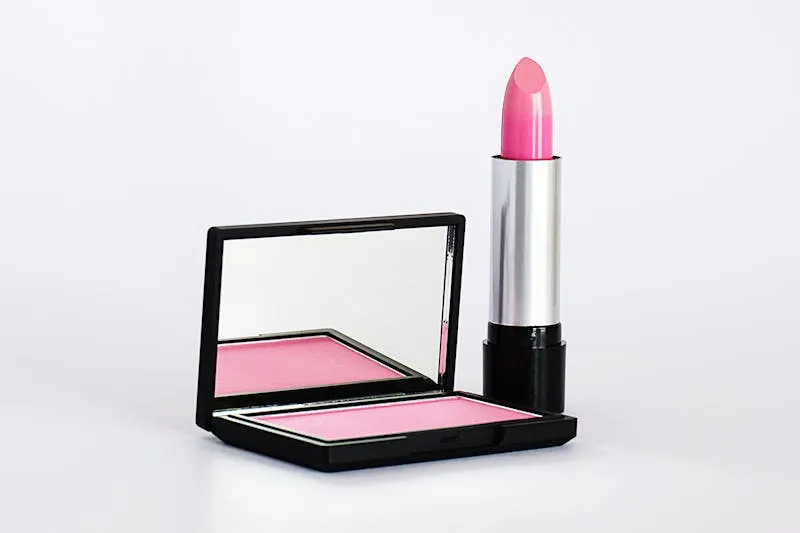
- Blush — cream or powder, organic blushes are excellent. Mineral pigments (iron oxides, mica) offer natural, luminous colour. Possibly the single most convincing organic makeup product
- Lipstick — formulations based on shea butter, beeswax, and castor oil are comfortable, moisturising, and well-pigmented. Nude and rose shades are perfect; intense reds exist but can be slightly less opaque than conventional
- Highlighter — organic mineral powders easily rival conventional highlighters. Beautiful luminous effect without chunky glitter
What's improving but not quite there yet:
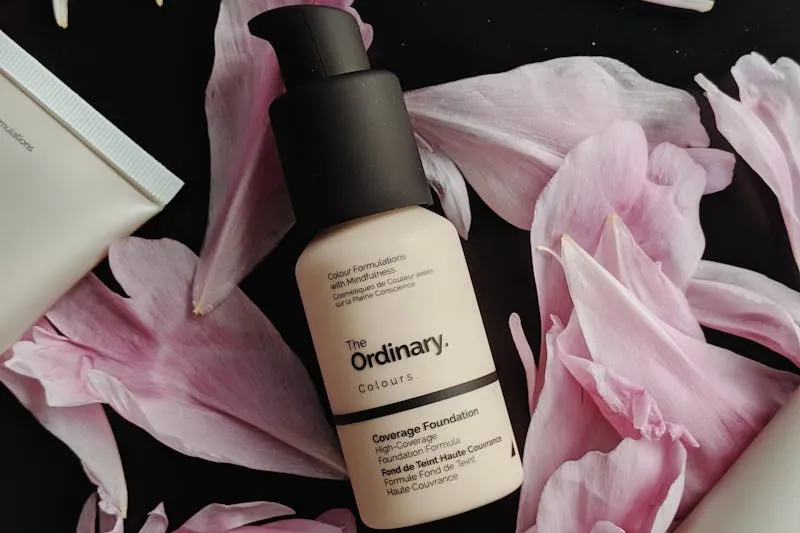
- Foundation — organic's historic weak spot. Without silicones, the texture is less "blurring," and wear time is shorter (6–7h vs 10–12h conventional). BB and CC creams are a better organic compromise: light coverage, natural finish. Mineral powder foundations work brilliantly on combination-to-oily skin
- Eyeliner — felt-tip organic versions have improved but the tip dulls faster and the line is less precise than conventional. Gel or cream organic eyeliners are a better choice
- Eyeshadow — good pigmentation in pressed powders, but creamy textures sometimes lack staying power on mobile lids without a primer. Solution: an organic eye primer changes everything
Hair: the solid shampoo revolution
Hair is the category where switching to organic requires the most patience — and where the final result is the most spectacular. Here's why: conventional shampoos contain sulphates (SLS, SLES) that lather generously but strip the scalp. When you switch to organic (sulphate-free), your hair goes through a "transition phase" of 2–6 weeks where it seems greasier, duller, heavier. This is normal — your scalp is rebalancing. After that period: shinier, more supple hair that stays fresh longer between washes.
Solid shampoos: the star of organic haircare
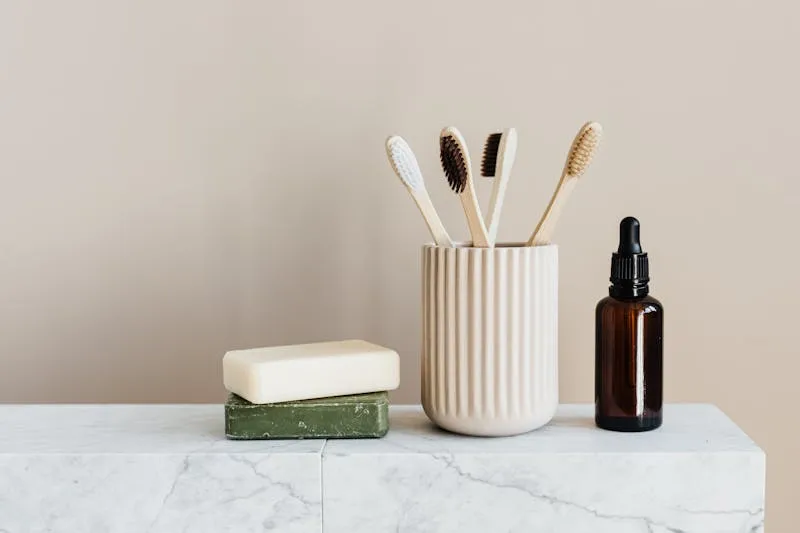
This is the product that democratised organic haircare. A 55g solid bar equals 2–3 bottles of liquid shampoo (roughly 80 washes). Zero plastic packaging, concentrated formula, travel-friendly. The surfactants used — SCI (Sodium Cocoyl Isethionate) or plant-derived SLMI — cleanse gently without aggression.
But beware: not all solid shampoos are certified organic. The solid format has become a marketing argument in itself, and many "green" brands sell bars containing conventional SLS moulded into pebble shapes. Always check for the COSMOS or NATRUE logo.
Conditioners and masks: the former weakness (now healing)
Without silicones, organic conditioners don't give that instant "slip" you're used to. Detangling requires more patience. But formulas based on mango butter, broccoli seed oil (the "natural silicone"), and silk or rice proteins offer impressive natural smoothing — you just need to leave them on for 5 minutes instead of rinsing immediately. Hair masks, meanwhile, are excellent: castor, avocado, and coconut oils genuinely penetrate the hair shaft (unlike silicones, which coat without nourishing).
Body: oils, lotions and scrubs — organic at its best
Body care is THE category where organic is objectively superior to conventional. The reason is simple: organic plant oils (argan, jojoba, sweet almond, coconut) are biocompatible — they penetrate the epidermis and genuinely nourish the skin. The mineral oils (paraffinum liquidum) in conventional products create an occlusive surface film: instant softness sensation, zero deep hydration.
Body oils: the absolute star
One bottle of organic argan, jojoba, or macadamia oil does everything: moisturising, nourishing, massage, stretch mark care, after-sun. A 100ml bottle at £10–15 lasts 3–4 months and replaces body cream, repair balm, and stretch mark treatment. The organic product with the best performance-to-price ratio, by far.
Scrubs: devastatingly effective
Organic cane sugar + plant oil + a few drops of essential oil: organic scrubs are simple, effective, and free of plastic microbeads. Sugar grains dissolve on contact with water, avoiding the micro-lesions caused by overly aggressive mineral exfoliants.
Cold-process soaps: the gentle revolution
Organic cold-process (CP) soaps are superfatted — they contain excess unsaponified oil that nourishes skin during washing instead of stripping it. The exact opposite of sulphate-laden conventional shower gel. Switching to CP soap literally transforms your skin: after 3 weeks, you won't recognise your legs in winter.
The star ingredients of organic beauty — and why they work
Organic cosmetics rely on actives whose efficacy has been documented for centuries — and confirmed by modern science. Here are the top 10 ingredients to look for (and why they work):
- Hyaluronic acid — produced by biotechnology (fermentation), it's 100% organic-compatible. The star hydration molecule, it holds up to 1,000 times its weight in water
- Bakuchiol — extracted from Psoralea corylifolia, it's organic beauty's retinol alternative. Clinical studies in the British Journal of Dermatology show comparable results to 0.5% retinol on wrinkles and pigmentation, without photosensitisation
- Jojoba oil — technically a liquid wax, its composition mimics human sebum. Regulates oil production (suitable for both oily AND dry skin), absorbs without greasiness
- Aloe vera — soothing, hydrating, healing. Pure gel (>95% aloe) is a universal express treatment: sunburn, irritation, dryness
- Shea butter — rich in fatty acids, vitamins A and E. Intense relipidation for dry skin, chapped lips, damaged hands. Unrefined (yellow, characteristic scent) is more active than refined (white, odourless)
- Clay — green (oily skin), white/kaolin (sensitive skin), pink (combination). Absorbs excess sebum, purifies pores, remineralises
- Rosehip oil — rich in essential fatty acids and natural vitamin A. Healing, anti-dark spot, anti-wrinkle. The "miracle" oil for acne scars and stretch marks
- Niacinamide (vitamin B3) — organic-compatible, it regulates sebum, tightens pores, evens skin tone, and strengthens the skin barrier. The ultimate multitasker
- Plant-derived squalane — extracted from olives, it mimics the squalene naturally present in skin. Ultra-lightweight, non-comedogenic, suits all skin types
- Vitamin C (acerola, sea buckthorn) — powerful antioxidant, radiance booster, collagen stimulator. Stabilised forms in organic serums are less irritating than pure L-ascorbic acid
7 mistakes to avoid when switching to organic cosmetics

- Changing everything at once — your skin needs time to adapt. Replace one product at a time, in priority order: cleanser → serum → moisturiser. Wait 2 weeks between each switch to evaluate the reaction
- Confusing "natural" with "certified organic" — a "natural" product isn't necessarily organic, and a natural product can be irritating (essential oils, citrus). Certified = controlled. Anything else is blind trust
- Ignoring the transition period — when switching from conventional to organic, your skin may "purge" for 2–4 weeks (small breakouts, temporary dryness). This is normal: it's clearing silicone residues and rebalancing. Stay the course
- Buying supermarket own-brand organic blindly — store-brand organic lines are acceptable but rarely exciting. Specialist brands invest more in R&D and formulations
- Storing like conventional products — organic cosmetics use gentler preservatives. Result: shorter shelf life (6–12 months after opening vs 24–36 months conventional). Respect the PAO symbol (the open jar with a number) and store products away from heat and direct light
- Believing organic = hypoallergenic — essential oils (linalool, limonene, citral, geraniol) are among the most common cosmetic allergens, and they're everywhere in organic formulations. If you have sensitive or atopic skin, choose organic products formulated without essential oils and without fragrance
- Underestimating the transition budget — organic products cost 20–40% more per item. But they often last longer (concentrated formulas, a few drops suffice) and replace multiple conventional products. Over a year, the budget balances out
Frequently asked questions about organic cosmetics
Are organic cosmetics as effective as conventional ones?
It depends on the category. In body care (oils, scrubs, soaps), organic is objectively superior — plant oils genuinely nourish skin while mineral oils create a surface film without penetrating. In facial skincare (serums, creams), organic matches conventional thanks to formulation advances (hyaluronic acid, bakuchiol, niacinamide). In makeup, conventional retains the edge on long-wear performance (foundation, eyeliner), but organic excels in mascara, blush, and lipstick.
Why do organic cosmetics smell different?
Because there are no synthetic fragrances. The scent of an organic product is the scent of its ingredients: plant oils, hydrosols, butters. Some find this "less glamorous" initially, but many end up finding synthetic fragrances cloying once they've adjusted to natural scents. Premium organic brands increasingly work with essential oil and absolute compositions — the results can be remarkably sophisticated.
Can organic cosmetics cause allergies?
Yes, absolutely. "Organic" does not mean "hypoallergenic." Essential oils (linalool, limonene, citral, geraniol) are among the most common cosmetic allergens, and they're ubiquitous in organic formulations. If you have sensitive or atopic skin, choose organic products formulated without essential oils and without fragrance. Several brands offer "sensitive" ranges that are certified organic — the best of both worlds.
Should I buy from specialist shops or online?
Specialist shops let you smell, touch, and test products — crucial for makeup especially. Online, selections are wider and prices often 10–15% lower. My advice: discover in-store, repurchase online. And be wary of "organic beauty boxes" that send miniatures — the cost per millilitre is eye-watering and the products rarely match your specific needs.
How do I know if an organic product suits my skin?
Same method as conventional: patch-test on a small area (inside of wrist) for 48 hours before applying to your face. Introduce one new product at a time and wait 2 weeks to evaluate. And the most important advice: read reviews from users with the same skin type as yours. A miracle organic serum for dry skin can be a disaster on oily skin — skin type matters more than the product's intrinsic quality.
Sources and references
- Soil Association — Organic Beauty and Wellbeing Market Report, 2024
- COSMOS Standard — International Standard for Organic and Natural Cosmetics
- Which? — Organic and Natural Cosmetics Investigation, 2023
- SCCS (Scientific Committee on Consumer Safety) — Opinions on cosmetic allergens