
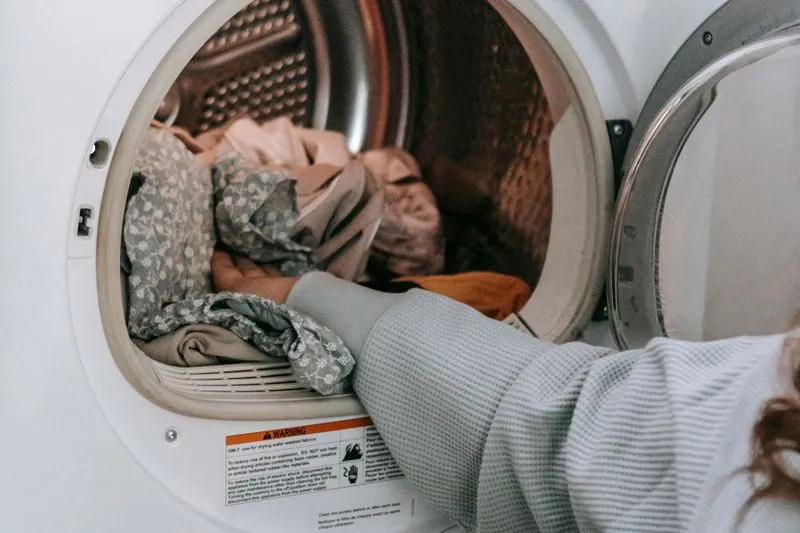
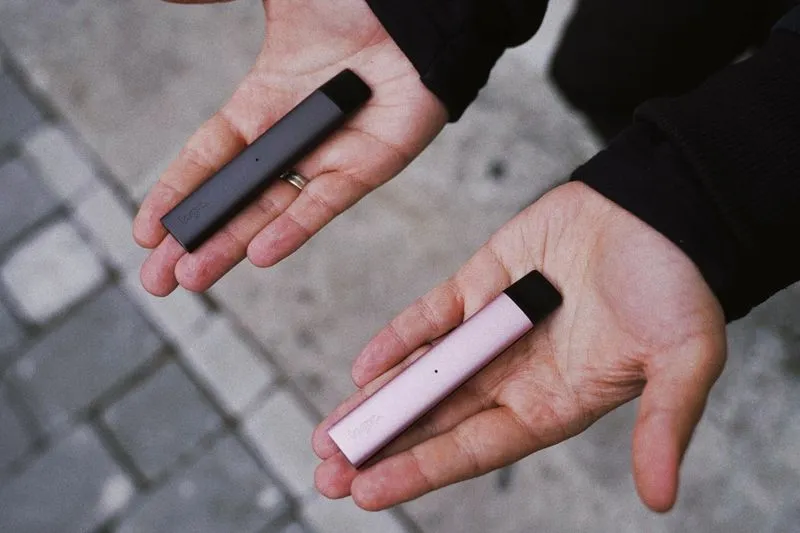
Saturday, 10.20am. Joanne, 44, a practice manager at a dental surgery, is emptying pockets before starting the wash — a habit she picked up after a forgotten biro turned a whole load of school shirts blue. In her 14-year-old son's hoodie she finds a bus pass, two 20p coins and a small lilac object barely longer than a highlighter. A sweet smell rises from the pocket. Something between blue raspberry sweets and candyfloss. She turns it over in her fingers and recognises a disposable vape. While the machine fills, one question keeps looping: since when?
If you have a child at secondary school, this may feel familiar. Joanne is far from alone — in 2024, 18% of 11 to 17-year-olds in Great Britain had tried vaping, around 980,000 children. Selling nicotine vapes to under-18s is already illegal. And from this Sunday, 1 June, single-use vapes can no longer be sold anywhere in the UK. The day before, Saturday 31 May, World No Tobacco Day turns the spotlight on the tactics used to make nicotine products attractive to young people.
My own two children are still years away from secondary school. So this guide doesn't draw on my experience as the parent of a teenager — it draws on the Action on Smoking and Health (ASH) youth survey, NHS guidance, government announcements, University of Bath research and FRANK, the national drugs advice service. You'll find what's inside a vape, what we know (and don't yet know) about nicotine in adolescence, what the law says — and, above all, a way of raising the subject that keeps the door open.
What's actually inside a vape
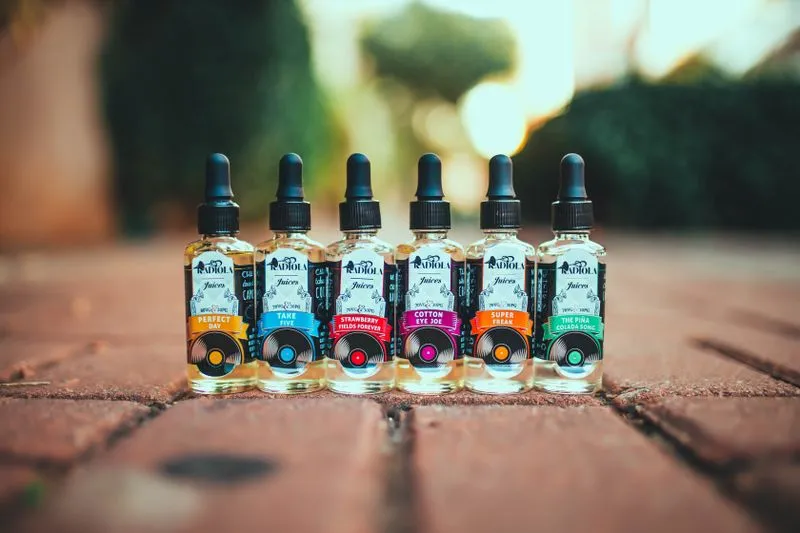
A vape heats a liquid to produce a vapour that is breathed in. According to FRANK, that e-liquid typically contains propylene glycol, vegetable glycerine, flavourings and nicotine. There's no burning, so there's no smoke — but there is an aerosol carrying whatever was in the liquid, plus whatever the heat produces.
Nicotine strengths range from 0 mg/ml to 20 mg/ml (milligrams per millilitre), and 20 mg/ml is the highest legal level in the UK. Some liquids contain no nicotine at all — something a teenager may be quick to point out to reassure you.
UK-regulated products are tightly controlled. According to the NHS page on vaping myths and facts, every nicotine vape sold legally must be notified to the Medicines and Healthcare products Regulatory Agency (MHRA), with a full list of ingredients. Diacetyl — the flavouring chemical linked to "popcorn lung" in factory workers — is banned as an ingredient.
Regulated doesn't mean risk-free. The NHS guidance for parents on young people and vaping is clear: "Vaping exposes users to some toxins, and we do not yet know what the risks might be in the longer term." And not every vape in circulation is regulated: FRANK points out that some disposable vapes on sale are illegal and don't meet UK quality and safety regulations.
One figure helps picture a disposable. The NHS explains that a UK-regulated disposable with the maximum nicotine strength holds 2ml of liquid and 40mg of nicotine — delivering, on average, about as much nicotine as 20 cigarettes.
How many teenagers vape in Britain?
Around one in five British teenagers has tried vaping. The 2024 ASH Smokefree GB Youth Survey, carried out by YouGov with 2,596 young people aged 11 to 18, found that 18% of 11 to 17-year-olds had tried vaping. That's roughly 980,000 children. Current vaping stood at 7.2%.
The picture changes sharply with age. Among 11 to 15-year-olds, 14% had tried vaping; among 16 to 17-year-olds, it was 28%. Current use follows the same curve (4.6% of the younger group, 14% of the older one).
| Age group (2024) | Have tried vaping | Currently vape |
|---|---|---|
| 11 to 15 | 14% | 4.6% |
| 16 to 17 | 28% | 14% |
| All 11 to 17 | 18% | 7.2% |
After a steep rise, ASH describes rates as having stabilised — but not yet clearly falling. The Department of Health and Social Care puts it more bluntly: youth vaping more than doubled in five years, with one in four 11 to 15-year-olds having tried vaping in 2023. That figure matches NHS England's 2023 survey of secondary school pupils in England (25%), a survey completed in class that measures differently from ASH, so the two figures can't be compared directly.
These numbers also read the other way. More than half of the young people who have tried vaping (53%) did so only once or twice, and the vast majority of 11 to 17-year-olds (81%) have never tried at all. A vape in a pocket doesn't prove your child is hooked: start by asking how long they've been vaping, and how often.

Why vaping appeals to teenagers
Most teenagers who vape without ever having smoked do it out of curiosity. In the ASH survey, half of never-smokers who vape (51%) said they did it "just to give it a try". Next came "other people do it so I join in" (18%) and "I like the flavours" (11%).
Flavour still shapes what they choose. Fruit flavours are the favourites of 59% of young vapers, and children are more likely than adults to pick sweet flavours (16%). In 2024, 54% said their most-used device was a disposable — and the most popular brand was Elf Bar. And the most common way to get hold of one is not a shop: being given vapes was the top source (54% of current young vapers), ahead of buying them in shops (48%).
The marketing is hard to miss. Among 11 to 17-year-olds who were aware of vapes, 72% had seen some form of promotion — mainly in shops (55%) and online (29%). The public health minister, Ashley Dalton, put it plainly in April: "Single-use vapes, often sweet in flavour, are the product of choice for many young people, drawing a new generation into nicotine addiction."
The World Health Organization chose "Unmasking the Appeal: Exposing Industry Tactics on Tobacco and Nicotine Products" as the theme of this year's World No Tobacco Day. Among the tactics it lists — attractive colours, sleek designs, promotion on digital media — is this one:
Deceptive designs: Some products mimic sweets, candies, and even cartoon characters—items children naturally find appealing.
Add the object itself — small, colourful, with no smell of stale smoke on clothes — and its place in the videos teenagers share with each other. If social media is already a recurring topic in your house, our rules for a healthy balance with screens offer a practical starting point, and our look at what research says about social media and self-esteem includes a guide for parents of teenage girls.
Nicotine and the teenage brain
Nicotine is what makes vapes — and cigarettes — addictive, and teenagers are more vulnerable to it than adults. NHS guidance for parents on young people and vaping says: "Nicotine is more risky for young people than for adults, as evidence suggests the developing brain is more sensitive to its addictive effects." Their developing lungs, the same page notes, are also more sensitive to vaping's effects.
Dependence doesn't announce itself. FRANK warns that nicotine "is addictive and can be hard to stop using once you've started", and that it makes the heart beat much faster — which is why a first vape can leave a teenager feeling sick. The signs show up when the vape isn't there: NHS guidance on managing nicotine withdrawal lists strong cravings, restlessness, irritability, trouble concentrating, trouble sleeping and low mood.
Is vaping a gateway to smoking?
Teenage vaping is linked to later smoking in long-term studies, but whether it causes it is still debated. A review of eleven such studies published in the journal Addiction found that teenagers who had vaped had nearly three times the odds of going on to smoke (adjusted odds ratio: 2.93). The same review points to serious weaknesses: in half of the studies, at least 30% of participants dropped out along the way, and only two studies fully adjusted for other factors that could explain both habits.
On everything else, the NHS page on vaping myths and facts is clear: nicotine vaping is less harmful than smoking — a 2022 review by UK experts found that "in the short and medium-term, vaping poses a small fraction of the risks of smoking" — and vapes are one of the most effective tools for adult smokers who want to quit. The same NHS page is just as clear that children and non-smokers should never vape.
British data show the two habits are still intertwined. In the 2024 ASH survey, ever-smoking among 11 to 17-year-olds had risen to 18% — the same level as ever-vaping — and 2.8% of children both smoked and vaped. At the same time, four in ten (39%) of the children who had tried vaping had never smoked.
For you as a parent, the "gateway" question may not be the most useful one. Whether or not it ever leads to cigarettes, a nicotine vape can create a dependence in a teenager who never smoked. That dependence is what you're trying to prevent — not just the pack of cigarettes that might come after.
Ask whether they vape instead of smoking or on top of it. A teenager who already smoked and is trying to cut down needs help to stop; one who discovered nicotine through a strawberry disposable needs a reason not to carry on.
The risks people talk about less: spiked vapes and illegal products
The most serious risk isn't always nicotine. In July 2024, researchers at the University of Bath tested 596 vapes confiscated from pupils in England. They found spice — a synthetic drug — in vapes from 28 of the 38 schools involved (74%), across London, the West Midlands, Greater Manchester and South Yorkshire. About one in six vapes (16.6%) contained spice, while only around one in a hundred (1.17%) contained THC, the active ingredient of cannabis.
Professor Chris Pudney, who led the testing, summed up the problem: "Teenagers think they are purchasing vapes or vape fluid containing THC or nicotine when, in fact, they are laced with spice." FRANK confirms that vapes sold as containing cannabis chemicals may instead contain synthetic cannabinoids — and, in some cases, other drugs such as ketamine. THC and synthetic cannabinoids are Class B drugs, illegal to have, give away or sell.
Spice can have dangerous side effects, including cardiac arrest. Headteachers quoted by the University of Bath describe pupils collapsing at school. One Salford headteacher, Ben Davis, recalls a boy describing how his hands "felt like cartoon hands".
Illegal nicotine products carry their own risks. Even ahead of the ban on single-use vapes, the NHS guidance for parents warned this spring that some disposables on sale in the UK were illegal, did not meet UK safety regulations and could contain high levels of harmful substances. A vape with no UK labelling, bought from a friend of a friend or a social media account, falls squarely into that category.
What UK law says about teenagers and vapes
UK law targets the people who sell and supply vapes, not the teenager using one. It is illegal to sell nicotine vaping products to anyone under 18, and illegal for an adult to buy them on a child's behalf. If you find a shop selling vapes or tobacco to under-18s, the NHS explains that you can report it to local Trading Standards through the Citizens Advice online portal.
| Rule | What it means | Status (May 2025) |
|---|---|---|
| Age of sale | No sale of nicotine vapes to under-18s; no buying on their behalf | In force |
| Single-use vapes | Sale and supply of disposables banned across all four UK nations | From Sunday 1 June 2025 |
| Free samples | Giving vapes to children for free is not yet an offence | Ban proposed in the Tobacco and Vapes Bill |
| Flavours, packaging, displays | Powers for ministers to make vapes less appealing to children | Proposed in the Tobacco and Vapes Bill |
The disposable ban is the big change this week. The government confirmed 1 June 2025 as the deadline for shops to sell their remaining stock. In England, a business caught breaking the ban faces a stop notice or a £200 fine in the first instance, with its products seized by Trading Standards — and an unlimited fine or prosecution for repeat offences. Reusable vapes stay on sale to adults: under the government's guidance, a vape counts as reusable only if it is both rechargeable and refillable.
There's a gap parents rarely know about. ASH points out that while selling nicotine vapes to children is illegal, giving them away for free is still legal — and 2.9% of young people who had tried vaping said their first vape came from a vape company. The Tobacco and Vapes Bill, introduced in November 2024 and still going through Parliament, would ban free distribution, ban vape advertising and sponsorship, and allow ministers to regulate flavours, packaging and displays so they don't appeal to children. It would also give Trading Standards a new £200 on-the-spot fine for offences such as underage sales.
Vaping at school is a matter for each school's own rules. The Bill would give ministers powers to make most smoke-free public places and workplaces vape-free too; separately, England is considering extending smoke-free rules to outdoor spaces outside schools and children's playgrounds.
Spotting the signs of teen vaping without playing detective
The first clue is often a smell. A vape doesn't leave the stale reek of tobacco — it leaves something sweet and fruity, lingering in a bedroom, a coat or the back of the car.
Then there are the objects. FRANK notes that many vapes are shaped like a highlighter pen or a USB flash drive, so they rarely look like cigarettes. A spare charger, empty pods, a small bottle, pocket money that vanishes faster than usual — any of these can complete the picture. None of them proves anything on its own (a strawberry air freshener exists too).
The body can give signals as well. FRANK lists coughing, a dry mouth and throat, shortness of breath, mouth and throat irritation and headaches among vaping's side effects. And behaviour that looks like withdrawal — irritability when they can't get out, poor concentration, disturbed sleep — overlaps with a hundred other teenage things (exams, heartbreak, tiredness). Together with a smell and an object, though, the odds shift.
Searching their room, reading their messages, setting traps — the temptation is understandable, but it costs a lot: a teenager who feels spied on mostly learns to hide things better, and concludes that trust only runs one way.
How to talk about vaping without a row
A first conversation is about keeping the line open, not extracting a promise to stop. Ben Davis, a secondary headteacher in Salford quoted by the University of Bath, gave families this advice: "Be open, non-judgmental, and accepting. As soon as you judge or blame, barriers will go up, and you won't reach your child."
In my view, fear rarely works at this age: a 14-year-old is unlikely to be moved by the idea of lung disease at 60. What tends to land is what matters to them now: fitness and breath on the pitch, money, the smell, being a marketing target. The NHS encourages parents to make sure young people know the health facts "so they can make an informed choice" — facts rather than threats.
The NHS suggests a handful of facts worth sharing:
- Vaping is a way for adults to stop smoking — not something for non-smokers, especially children and young people, to try.
- Vaping is less harmful than smoking, but that doesn't make it harmless — and the long-term risks aren't known yet.
- Most vapes contain nicotine, an addictive substance that can be hard to give up once started.
- It's against the law to sell nicotine vapes to under-18s, or for adults to buy them on their behalf.
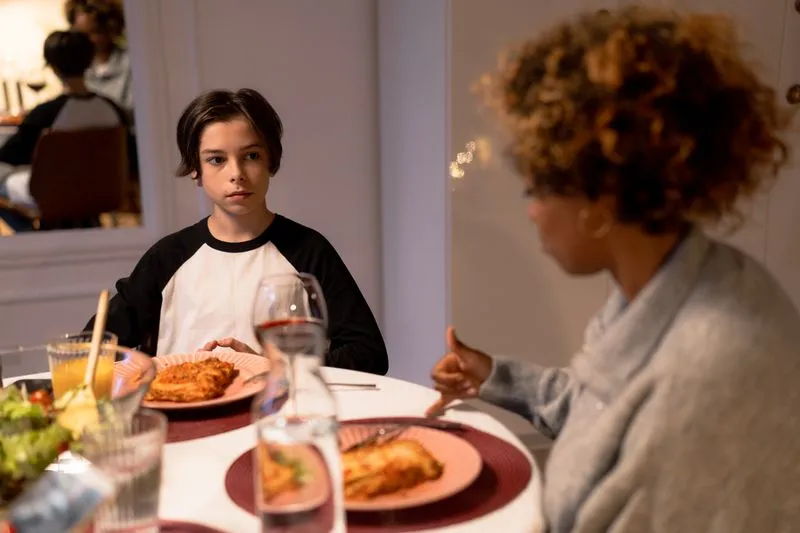
Pick your moment. Not in the heat of the discovery, and not in front of brothers and sisters. A car journey, a walk, washing up side by side — conversations shoulder to shoulder are often easier for teenagers than a face-to-face across the kitchen table. And if the first attempt fizzles out, come back to it another day, when things are calm.
A few openers that tend to work:
- "I'm not going to lecture you. I'd just like to understand what you like about it."
- "How much nicotine do you reckon is in one of those? I had no idea either — shall we look it up together?"
- "Are lots of people in your year vaping? What do they say about it?"
Talking without a row doesn't mean accepting everything. You can still say no vaping in the house, refuse to fund refills and be clear about why. That balance of firm limits and warm connection is the heart of positive parenting in everyday family life. It also pays off later: if your teenager one day tells you about a "THC vape" someone offered them at school, it will be because they know they can do so without being condemned in advance. Our guide to talking about consent with children at every age rests on the same idea — simple words, before there's a problem.
Helping a teenager stop vaping: where to get help
A teenager who has become dependent on nicotine can get support — and some of it doesn't need to go through you. Here are the main starting points:
- FRANK — honest information and advice on vapes and drugs, for young people and parents: call 0300 123 6600, text 82111 or send an email through the website.
- Your GP — they can assess dependence and discuss age-appropriate support.
- The school nurse — often the easiest first contact for a teenager who doesn't want to involve their parents straight away.
- A local NHS Stop Smoking Service — for a teenager who also smokes cigarettes; your GP can tell you whether the nearest one sees under-18s.
NHS guidance on managing nicotine withdrawal, written for people who quit smoking, says symptoms are usually strongest in the first three days and last three to four weeks on average. Telling your teenager this in advance stops them concluding, three days in, that they'll never manage it.
Without professional advice, don't offer a vape as the solution to a teenager who smokes. The NHS presents vaping as a quit aid for adult smokers — "not something for non-smokers, especially children and young people to try". For an under-18 who smokes, the GP or a Stop Smoking Service is the right place to agree a plan.
Offer help without imposing it. Some teenagers prefer to take the first step without a witness: leave FRANK's number and the school nurse's drop-in times somewhere your teenager can find them on their own.

Frequently asked questions
Are nicotine-free vapes safe?
Not necessarily. Without nicotine, there's no chemical addiction, but your teenager is still inhaling a heated aerosol, and the NHS says the long-term risks of vaping aren't known yet. FRANK also warns that illicit vapes may contain other drugs. A teenager who says their vape is "nicotine-free" hasn't always checked — look at the label.
My teenager says vaping is safer than smoking. Are they right?
Partly. The NHS says nicotine vaping is less harmful than smoking but not risk-free. That comparison only helps someone who already smokes. For a teenager who didn't smoke, the real comparison isn't a cigarette — it's breathing nothing at all, with no nicotine dependence.
Disposables are banned from 1 June. How could my teenager still get one?
The ban stops businesses selling and supplying single-use vapes, but it won't make existing ones vanish overnight — some will be passed around or sold illegally. Reusable vapes, which must be both rechargeable and refillable, remain on sale to adults and can be just as discreet.
Should I confiscate the vape?
You can, as part of clear house rules — no vaping at home, no money for refills. Explain your reasons calmly. A confiscation with no conversation solves the problem for about a day.
My 17-year-old smokes. Should they switch to vaping?
That's a decision to make with a professional. The NHS presents vaping as a way for adults to stop smoking, not something for young people to try. A GP or local Stop Smoking Service can suggest a plan suited to their age and level of dependence.
Is vaping allowed at school?
It depends on the school: each one sets its own rules on vaping. If you're not sure what happens when a pupil is caught, ask to see the school's policy.
At what age do teenagers start vaping?
In the 2024 ASH survey, 14% of 11 to 15-year-olds had tried vaping, compared with 28% of 16 and 17-year-olds. The conversation is worth having before Year 10, not after.
When should I call 999?
Call 999 if your teenager collapses, has a seizure, loses consciousness or starts hallucinating after vaping. Spice has been found in vapes confiscated from English schools, and it can cause cardiac arrest. Tell the ambulance crew everything you know, and keep the vape.
Sources
- ASH — Use of vapes (e-cigarettes) among young people in Great Britain, fact sheet (July 2024)
- NHS England — Smoking, Drinking and Drug Use among Young People in England, 2023 (17 October 2024; Internet Archive copy of 5 February 2025)
- NHS Better Health — Young people and vaping
- NHS Better Health — Young people and vaping (version of 3 April 2025, Internet Archive)
- NHS Better Health — Vaping myths and the facts
- GOV.UK — Ditch single-use vapes as ban deadline looms (1 April 2025)
- GOV.UK — Single-use vapes ban: information for businesses
- Department of Health and Social Care — The Tobacco and Vapes Bill: what you need to know (5 November 2024)
- Chan et al. — Gateway or common liability? Adolescent e-cigarette use and future smoking initiation, Addiction (2021)
- University of Bath — English school children unwittingly smoking spice-spiked vapes (25 July 2024)
- FRANK — Vapes
- World Health Organization — World No Tobacco Day: Unmasking the appeal (11 November 2024)
- NHS Better Health — Vaping myths and the facts (version of 22 May 2025, Internet Archive)
- NHS Better Health — Managing nicotine withdrawal symptoms