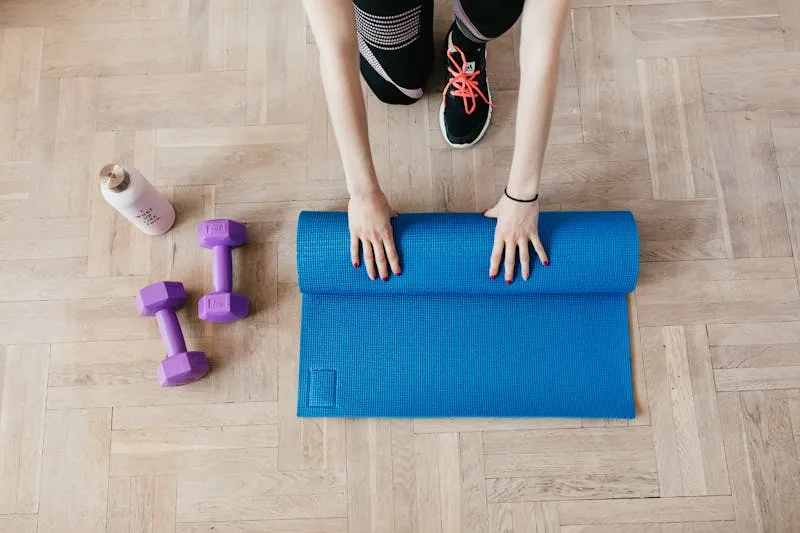
My patient Julie, 34, showed up to her appointment with an £847 invoice on her phone. Over eighteen months, she had subscribed to four fitness coaching apps, two online "transformation" programmes, and a month of private Instagram coaching — all without exercising any more than before. "I feel like I've funded someone else's holiday," she told me with a bitter smile. Her case is far from unusual.
The online fitness coaching market has exploded. In the UK alone, it is now worth over £2 billion, fuelled by the pandemic and the massive digitalisation of fitness. But behind the promises of "12-week transformations" and influencers' glistening abs lies a structural problem: the near-total absence of regulation. Anyone can call themselves an online fitness coach. And that is precisely why you need to know what to look for — and what to run from.
In this article
- The online fitness coaching landscape in 2025
- The three formats: apps, programmes, private coaching
- 8 non-negotiable selection criteria
- Red flags that should send you running
- Honest comparison: 6 apps under the microscope
- Free alternatives (that actually work)
- Special cases: postnatal, chronic pain, obesity
- Building your routine without a coach
- Frequently asked questions
The online fitness coaching landscape in 2025
Let's start with the lay of the land, because the numbers are staggering. According to a 2024 report by Allied Market Research, the global digital fitness market grew by over 300% between 2019 and 2024. The lockdowns created a lasting appetite for home fitness — but they also opened the floodgates to an influx of wildly uneven quality.
In 2025, three broad categories of providers dominate:
- International platforms (Nike Training Club, Peloton, Apple Fitness+) with Hollywood-level production budgets and libraries of thousands of sessions
- Independent coaches selling their programmes via Instagram, TikTok, or their own websites — the best and the worst
- Specialist apps (Fiit, Centr, FizzUp) trying to stand out through personalisation or niche focus
The fundamental problem? In the UK, anyone can legally call themselves a "personal trainer" or "fitness coach" without any formal qualification. CIMSPA (the Chartered Institute for the Management of Sport and Physical Activity) sets professional standards, and the REPs register lists qualified professionals — but registration is voluntary. Online, oversight is virtually non-existent.
Warning: An inappropriate exercise programme can cause serious injuries. Tendinitis, lower back pain, and muscle tears from poorly executed exercises or overly aggressive progression are an increasingly common reason for physiotherapy referrals.
The three formats: apps, programmes, private coaching
Before comparing anything, you need to understand what you are actually buying. These three formats offer fundamentally different things — and suit different profiles.
Subscription apps (£5–30/month)
The most accessible format. You pay a monthly or annual subscription and access a library of video sessions, sometimes with an algorithm that adjusts workouts to your declared level. The best ones offer progress tracking, structured multi-week plans, and an integrated community.
Best for: Self-motivated people who already know how to move correctly, want variety and structure without paying for individual guidance. It's the equivalent of a good cookbook: invaluable if you know how to cook, frustrating if you've never held a saucepan.
Online programmes (£50–500)
A one-off payment for a structured 4–12-week programme, typically with pre-recorded videos, a nutrition plan, and sometimes access to a private group. Quality varies wildly: some are designed by qualified professionals with genuine methodology, others are 15-page PDFs sold for £297 through aggressive sales funnels.
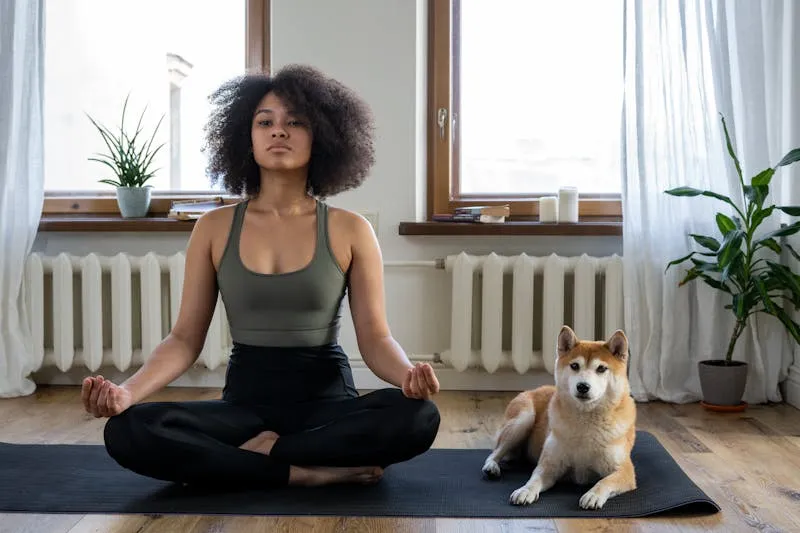
Best for: People who need a clear time frame ("I'll do this for 8 weeks") and are willing to commit for a defined period. Warning: the programme format is not suitable for complete beginners who have no one to correct their form.
Private video coaching (£100–400/month)
The premium tier. A coach follows you individually via video calls — typically 2–4 per month — with a personalised programme, real-time adjustments, and messaging support between sessions. It is the most effective format, but also the most expensive and the most dependent on the quality of the coach.
Best for: Beginners who need to learn correct movement patterns, people with medical conditions or specific constraints (postnatal, chronic pain), and those who need an accountability partner to stay motivated.
Good to know: In some cases, exercise referral schemes through the NHS can provide subsidised or free access to qualified fitness professionals. Ask your GP about exercise on prescription — it's an underused but extremely valuable resource.
8 non-negotiable selection criteria
Having guided dozens of patients through their fitness journeys — and having seen the damage caused by bad programmes — here are the criteria I consider absolutely non-negotiable.
1. The coach's qualifications
This is criterion number one and it is non-negotiable. In the UK, recognised qualifications include:
- Level 3 Personal Training Diploma (the minimum standard for one-to-one coaching)
- BSc in Sport and Exercise Science or related degree
- Level 4 specialist qualifications (e.g., obesity and diabetes, lower back pain, pre/postnatal)
- CIMSPA endorsement or REPs registration
A coach who displays no qualifications — or highlights only unaccredited weekend certifications — should raise your suspicions. International certifications like NASM, ACE, or ISSA are respected globally but check that the coach also meets local professional standards.
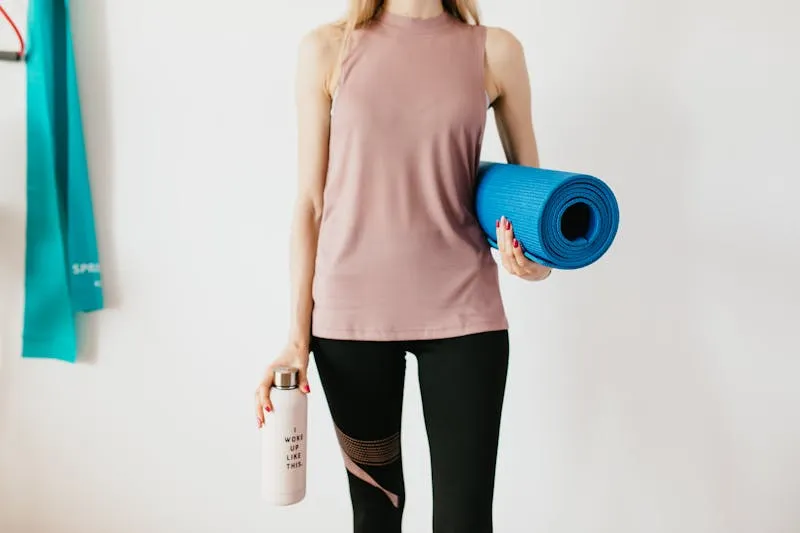
2. Genuine personalisation (not cosmetic)
A good programme adapts to your level, goals, physical constraints, and schedule. If a coach offers everyone the same programme with only the rep count changed, that is not personalisation — it is marketing.
Questions a good coach should ask BEFORE proposing anything:
- Your exercise and medical history
- Any injuries or chronic pain
- Your realistic schedule (not ideal, realistic)
- Your available equipment
- Your specific goals and deeper motivation
- Your relationship with exercise (positive? traumatic? neutral?)
3. Progressive overload
A programme that pushes you to your limits in week one is a bad programme. Exercise science is clear: progressive overload is the only mechanism that produces lasting results. A good programme starts below your current capacity and increases gradually — in volume, intensity, or complexity, never all three simultaneously.
Golden rule: If a programme promises results "visible in 7 days" or throws you into 45-minute HIIT sessions from day one, run. The ACSM recommends a maximum 10% increase per week to prevent injury.
4. The nutrition approach
Be wary of fitness programmes that include restrictive meal plans. In the UK, prescribing specific diets falls within the scope of registered dietitians (HCPC regulated) and registered nutritionists. A fitness coach who hands you a 1,200-calorie meal plan is operating outside their scope of practice.
5. Rest and recovery management
A programme with no rest days is a dangerous programme. Overtraining is a real problem — I see its consequences weekly: insomnia, amenorrhoea, chronic fatigue, recurring injuries. A good programme includes at least 2 complete rest days per week for beginners, and incorporates deload weeks every 4–6 weeks.
6. Community and support
Dropout rates for online fitness programmes are staggering: a JMIR meta-analysis (2019) found that only 27% of users maintained their practice beyond 3 months. One key factor for persistence? Community. Programmes offering a support group achieve significantly higher retention rates.

7. Refund policy
A serious programme offers a trial period or money-back guarantee. Programmes that categorically refuse refunds — especially when they cost several hundred pounds — are usually hiding something. UK consumer law (Consumer Contracts Regulations 2013) grants a 14-day cooling-off period for online purchases, whether the seller mentions it or not.
8. Evidence of results (real ones)
Before/after photos are easy to fake — lighting, posture, tan, time of day. Genuine quality indicators include:
- Detailed testimonials (not just "I lost 2 stone")
- Long-term results (6 months, 1 year), not just the first 12 weeks
- Reviews on third-party platforms (Trustpilot, Google Reviews), not only the coach's website
- Collaborations with healthcare professionals
Red flags that should send you running
I have compiled this list from clinical experience and patient testimonials. If you spot even one of these signals, walk away.

Unrealistic promises
"Lose a stone in 30 days," "Get a flat stomach in 2 weeks," "Transform your body in 21 days." These claims violate basic physiology. Safe, sustainable weight loss is 0.5–1 kg per week according to the WHO. Any programme promising more is lying — or will cause you to lose water and muscle, not fat.
Artificial urgency
"Only 3 spots left!", "Offer expires in 2h47min", "Price doubles tomorrow." These pressure-selling techniques are a major warning sign. A good programme doesn't need to stress you into buying — its results speak for themselves.
Absolute red flag: If a coach asks for your weight, measurements, and photos in underwear BEFORE explaining their methodology and qualifications, leave. This is a power dynamic disguised as an "initial assessment."
Guilt-based marketing
"If you won't invest in your health, you clearly don't love yourself enough." This type of messaging is toxic and manipulative. A serious professional respects your budget and never ties your self-worth to purchasing their programme.
No contraindications mentioned
A programme "suitable for everyone" is suitable for no one. A serious professional always mentions contraindications: pregnancy, cardiac conditions, joint problems, eating disorders. If there are no precautions mentioned anywhere, the coach doesn't prioritise your safety.
Supplement pushing
If the coach insists you buy supplements (protein powders, fat burners, BCAAs) as a condition of success, they likely earn more from supplements than from coaching. For standard fitness, a balanced diet suffices — that is the position of both the NHS and the British Dietetic Association.
Honest comparison: 6 apps under the microscope
I personally tested each of these six apps for at least one month, evaluating them against the criteria above. Here is my unfiltered verdict.
Nike Training Club — Best value (free)
Massive library, certified coaches, structured 4–6-week programmes, zero ads. All of it free. Production quality is impeccable and exercises are well explained. Weakness: personalisation is limited and there is no built-in community. Ideal for people comfortable with exercise who want variety.
Fiit — Best for HIIT and strength
British app specialising in intense workouts with real-time heart-rate tracking (compatible with a chest strap). Excellent strength and HIIT programmes. Weakness: requires a compatible heart-rate monitor for full functionality. Around £10–20/month.
Peloton — The premium experience
Peloton revolutionised online fitness with live classes and charismatic instructors. Quality is exceptional, the range enormous (yoga, meditation, running, strength, HIIT). Weakness: the price (£24/month without equipment). For those who want the most premium experience on the market.
Apple Fitness+ — Best for Apple users
Seamlessly integrated with Apple Watch, Fitness+ offers studio-quality workouts with real-time metrics on screen. The "Time to Walk" and "Time to Run" audio programmes are superb. Weakness: requires an Apple Watch and is locked into the Apple ecosystem. £9.99/month.
Centr — Best for holistic approach
Chris Hemsworth's app offers workouts, meal plans, and mindfulness all in one place. The programmes are well structured and coached by genuine professionals. Weakness: the celebrity branding can feel gimmicky, and the meal plans lean heavily Australian. Around £9/month on annual plan.
FizzUp — Best adaptive algorithm
Developed by French sports engineers, FizzUp uses an algorithm that genuinely adjusts difficulty based on your performance feedback. Scientific approach, thoughtful progression. Weakness: the interface is more utilitarian than glamorous. Free to £14.99/month.
My advice: ALWAYS start with free options (Nike Training Club, YouTube channels). If after 2–3 months you need more personalisation or community, upgrade to a paid subscription. Never pay for a programme before exhausting the free options — especially if you're a beginner.
Free alternatives (that actually work)
The fitness industry wants you to believe quality has a price. Sometimes it does. But in 2025, free resources have never been better — if you know where to look.

YouTube: verified channels
Several YouTube channels offer complete, free programmes of excellent quality:
- Blogilates (Cassey Ho) — Pilates and strength, free monthly calendars
- Yoga With Adriene — The world's yoga reference, thematic 30-day programmes
- Caroline Girvan — Professional-grade strength programmes, entirely free
- Sydney Cummings — Daily full-length workouts, consistently excellent quality
- MadFit (Maddie Lymburner) — Short, effective sessions, perfect for busy schedules
NHS and local authority programmes
Many local councils offer free or subsidised fitness classes: parkrun (free weekly 5K runs in parks across the UK), outdoor fitness sessions, walking groups. Check your council's website — these are often led by qualified instructors and are completely free.
Exercise on prescription
If you have a long-term condition (diabetes, obesity, cardiovascular disease, depression, etc.), your GP can refer you to an exercise referral scheme. Sessions are delivered by qualified professionals and often subsidised or free. It is an underused but extremely valuable pathway to supported, safe exercise.
Special cases: postnatal, chronic pain, obesity
These situations require particular attention — and this is precisely where the choice of online coaching becomes critical.
Postnatal return to exercise
If you are within the first 6 months after delivery, a generic programme is NOT suitable. Pelvic floor rehabilitation should be completed before resuming exercise. Then, the return must be supervised — ideally by a coach trained in postnatal fitness or a women's health physiotherapist. Impact exercises (running, jumping, HIIT) are contraindicated until the pelvic floor is properly rehabilitated.
Important: "Post-baby body" programmes that promise to restore your pre-pregnancy body in weeks are not just unrealistic — they are potentially dangerous. Recovery after childbirth takes time, and that is perfectly normal.
Chronic pain
Online coaching can be a tremendous tool for people with chronic pain (back, shoulders, knees), but only if the programme is adapted. Look for a coach with additional training in exercise referral or who works alongside healthcare professionals. Generic programmes prescribing heavy squats or burpees without modified alternatives should be avoided completely.
Significant obesity (BMI > 30)
Returning to exercise with significant excess weight requires specific precautions: low-impact exercises, very gradual progression, particular attention to joints. A good programme for this profile will prioritise walking, swimming, cycling, or yoga before introducing resistance training. Parallel support from a registered dietitian is strongly recommended.
Building your routine without a coach
If your budget does not stretch to paid coaching, or if you prefer to go solo, here is a science-backed framework for building your own routine.

WHO guidelines (2020)
For adults aged 18–64, the World Health Organisation recommends:
- 150–300 minutes of moderate-intensity activity per week (brisk walking, cycling, swimming)
- OR 75–150 minutes of vigorous activity (running, HIIT, team sports)
- PLUS 2 sessions of muscle-strengthening activity per week (all major muscle groups)
- And reducing sedentary behaviour — every bit of movement counts
A beginner's sample week
Starting from zero, here is a 4-week progression:
Weeks 1–2: 3 sessions of 20 minutes — brisk walking (15 min) + stretching (5 min). The goal is not performance but building the habit.
Weeks 3–4: 3 sessions of 30 minutes — brisk walking (10 min) + bodyweight strength (15 min: squats, knee push-ups, plank) + stretching (5 min).
Weeks 5–8: 4 sessions of 35–40 minutes — alternating cardio (brisk walking/gentle jogging) and strength, with one yoga or mobility session.
Beyond: Gradually increase duration, intensity, or frequency — but never more than 10% per week.
The trick that changes everything: Don't schedule sessions for "when I have time." Block fixed slots in your calendar like GP appointments. Research shows that habit stacking — linking exercise to an existing habit ("after my morning coffee, I do 20 minutes") — dramatically increases consistency.
Essential equipment (minimal budget)
To start, you need only:
- A pair of trainers suited to your activity (£30–80)
- An exercise mat (£15–30)
- A water bottle (you already have one)
- Comfortable clothing (no need for branded gear)
That's it. Dumbbells, resistance bands, kettlebells — all of that comes later, if and when you need it. Bodyweight alone is more than enough for the first 3–6 months.
Frequently asked questions
Is online fitness coaching as effective as gym-based training?
For beginners and intermediate exercisers, yes — provided the programme is well designed and you execute movements correctly. A JMIR meta-analysis (2019) showed that digital physical activity interventions produce significant improvements comparable to in-person programmes. However, for advanced athletes or highly specific goals (competition prep, rehabilitation), in-person training retains an edge for real-time postural correction.
How long before I see results?
The first physiological benefits (better sleep, more energy, improved mood) appear within 2–3 weeks. Visible body composition changes typically take 8–12 weeks with regular practice (3–4 sessions/week) AND balanced nutrition. Anyone promising visible results before 4 weeks is either lying or dehydrating you.
Can I combine a free app with a private video coach?
That's actually an excellent strategy. You can use a free app (Nike Training Club, for example) for daily sessions, and book 1–2 monthly video sessions with a coach to correct technique, adjust your programme, and maintain motivation. Far cheaper than full coaching while still benefiting from regular professional oversight.
How do I verify that an online coach is qualified?
In the UK, check whether they are registered with CIMSPA or listed on the REPs (Register of Exercise Professionals) register at exerciseregister.org. You can also ask to see their Level 3 Personal Training certificate. If the coach refuses to share this information or claims it's unnecessary for online coaching, that is a major red flag.
Are online fitness programmes safe during pregnancy?
Some are — but they must be specifically designed for pregnancy, ideally by a professional trained in pre/postnatal fitness. A generic programme is NEVER appropriate for a pregnant woman, even with modifications. Speak to your midwife or obstetrician before starting anything, and prioritise programmes created by women's health physiotherapists or specialist pre/postnatal coaches.
Do I need a heart rate monitor?
Not essential for beginners, but useful for intermediate and advanced exercisers. A heart rate monitor helps train in the right intensity zones and avoid overtraining. A basic model (entry-level Garmin or Polar watch) is sufficient. But honestly, for the first few months, the "talk test" is good enough: if you can chat without gasping, the intensity is moderate; if you can only manage a few words, it's vigorous.