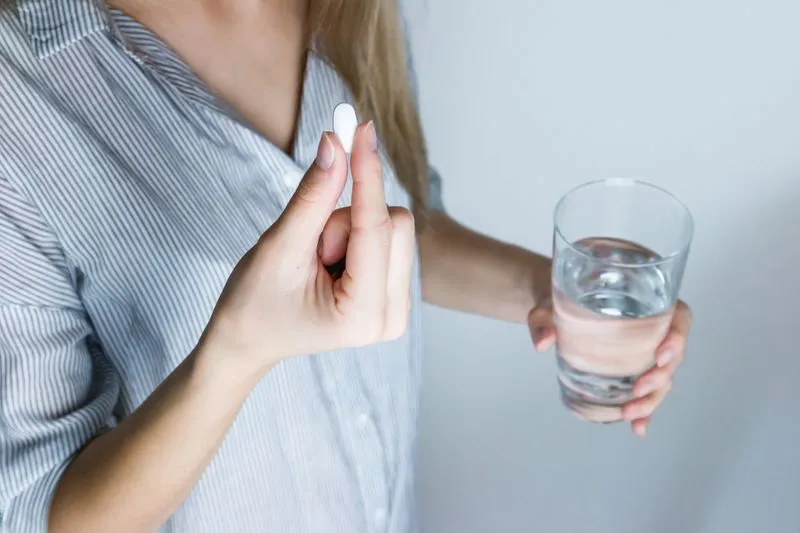
Sunday, just before ten. Freya, 23, a master's student in urban planning, is hovering by the till of a chemist's, staring at the price of the morning-after pill on a laminated card and wondering how far her overdraft will stretch. The condom split on Friday night, at around 11pm, and she'd written Saturday off — the morning after had come and gone, so what was the point? The pharmacist, reading glasses pushed up into her hair, notices the hesitation and asks quietly whether Freya would like to step into the consultation room. Behind that door, the conversation takes four minutes: when was your last period, when exactly did it happen, are you on any other medication? Then comes the part Freya hadn't expected. She has until Monday night for one pill and until Wednesday night for the other — and although this branch doesn't run the free NHS service, a sexual health clinic could give her either for nothing. She pays anyway, because waiting a day to save a few pounds feels like the wrong gamble. On the bus home, she texts her flatmate a single line: "It's five days, not one. Did you know that?"
The name is the problem. The NHS page on emergency contraception puts the window far wider than one morning: you need to use it within 3 to 5 days of unprotected sex, and the sooner you use it, the more effective it usually is. A woman who believes the window has closed doesn't go to the pharmacy at all. This guide covers what matters — the two pills and their time limits, the question of weight, where to get it free in the UK, what you'll pay over the counter, and the option most people forget: the copper coil.
The morning-after pill: two different pills, two different time limits
The morning-after pill isn't a single medicine. There are two main types used in the UK, and they don't work on the same timetable. The first contains levonorgestrel (a single 1.5 mg tablet) — brands include Levonelle, and there are cheaper generic versions. The second contains ulipristal acetate (a single 30 mg tablet), sold as ellaOne. Either way, you take one tablet, as soon as you can.
The difference is the clock. Levonorgestrel needs to be taken within 3 days (72 hours) of sex. Ulipristal acetate can be taken up to 5 days (120 hours) afterwards. Both work mainly by delaying ovulation — if no egg is released while sperm are still in the body, there's nothing for them to fertilise. That is also why the pill fails when ovulation has already happened — there's nothing left to delay.
| What you want to know | Levonorgestrel (Levonelle, generics) | Ulipristal acetate (ellaOne) |
|---|---|---|
| Dose | 1.5 mg, one tablet | 30 mg, one tablet |
| Licensed time limit | 72 hours (3 days) | 120 hours (5 days) |
| Best taken | as soon as possible | as soon as possible |
| Starting the pill, patch or ring afterwards | straight away, with condoms | wait 5 days, with condoms |
| Available from pharmacies without prescription | yes | yes |
The real time limits for the morning-after pill: 72, 96 and 120 hours
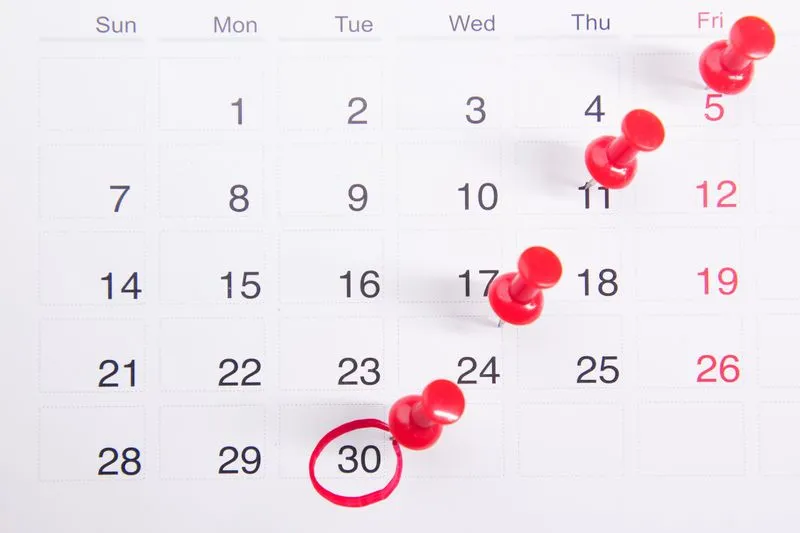
Three numbers matter: 72 hours for levonorgestrel, 96 hours beyond which it seems to stop working, and 120 hours for ulipristal. They come from the emergency contraception guideline of the Faculty of Sexual and Reproductive Healthcare (FSRH), the UK professional body for sexual and reproductive healthcare.
- 72 hours — the licensed limit for levonorgestrel. Within that window, earlier is better.
- 96 hours — the point beyond which, according to the FSRH, the evidence suggests levonorgestrel is ineffective.
- 120 hours — the limit for ulipristal acetate. The FSRH notes no significant drop in its effectiveness across those five days.
That third point matters for the awkward cases — sex on a Friday night, the realisation on Monday, a bank holiday weekend with no pharmacy nearby. In those situations ulipristal is still an option — and so is the copper coil (more on that below). Waiting is never a good idea, but being past 24 hours does not mean you've missed your chance.
How well does the morning-after pill work?
No emergency pill is 100% effective. The NHS guidance on how to take the emergency pill puts it plainly — "Research suggests that around 1 to 2 women in every 100 who take an emergency contraceptive pill will get pregnant." That figure isn't a personal guarantee — it depends heavily on where you are in your cycle. Taken just before ovulation, the pill has far less room to work than early in the cycle.
Between the two, ulipristal acetate has been shown to be more effective than levonorgestrel in the trials the FSRH relies on. Both are clearly less reliable than regular contraception, which is why every guideline describes them as a back-up rather than a method (the European Medicines Agency calls them an occasional "rescue" method).
Three things can undermine a tablet you've already taken:
- Being sick within 3 hours of taking it: the FSRH advises a repeat dose.
- Certain medicines — the NHS lists treatments for TB, epilepsy or HIV, the antifungal griseofulvin and the herbal remedy St John's wort. Many of these speed up how quickly the liver clears hormones.
- Unprotected sex after taking it: the tablet covers the sex that has already happened, not what comes next. Ovulation is delayed, not cancelled — it will still happen later in the cycle.
Does your weight affect the morning-after pill?
Weight can make levonorgestrel less effective, but the studies disagree, and European regulators allow both pills whatever you weigh. UK guidance then adds a sensible layer of caution — which matters, because this is a question plenty of women would rather not ask across a pharmacy counter.
In November 2013, the product information for one levonorgestrel pill, Norlevo, was changed to warn that it worked less well in women weighing 75 kg or more. The European Medicines Agency then reviewed every available study on both pills. Its July 2014 conclusion on emergency contraceptives and bodyweight was that the data were "too limited and not robust enough to conclude with certainty that contraceptive effect is reduced with increased bodyweight".
One pooled analysis of two studies — mostly of white women — found pregnancy rates on levonorgestrel of 0.96% with a body mass index (BMI) of 18.5 to 25, 2.36% with a BMI of 25 to 30, and 5.19% with a BMI of 30 or more. Another, pooling three World Health Organization studies (mostly of African and Asian women), found no trend at all: 0.99%, 0.57% and 1.17% for the same bands. For ulipristal, the data hinted at a small drop (from 1.23% to 2.57% depending on BMI), but the confidence intervals overlapped.
UK practice is more cautious. The FSRH recommends offering the copper coil first to everyone, and especially to anyone weighing more than 70 kg (about 11 stone) or with a BMI above 26 — its effectiveness isn't known to be affected by weight. If a coil isn't suitable or wanted, ulipristal comes next, and only then levonorgestrel — possibly at a double dose of 3 mg. The NHS page on who can take the pill reflects this — "The emergency contraceptive pill may not be suitable for you if you need to take steroid medicines for asthma or if you are overweight."
Does the double dose help? A trial published in 2022 tested it in 70 women with a BMI over 30 and a weight over 80 kg. As the FSRH explains in its August 2022 statement on double-dose levonorgestrel, they took it just before ovulation (a follicle over 15 mm, with the hormonal surge imminent). The follicle still ruptured within five days in 49% of the standard-dose group and 31% of the double-dose group, a difference that wasn't statistically significant. That figure describes this precise point in the cycle, not the pill's overall effectiveness. The FSRH's summary stays blunt: "LNG 1.5mg appears to be less effective for emergency contraception for users with higher weight/BMI." So the order of preference stands, with no miracle promised from doubling up.
What does that mean in practice? Your weight is never a reason to go without emergency contraception. But if you weigh more than 70 kg, it's entirely reasonable to ask whether ulipristal or a copper coil would suit you better. Never take two tablets on your own initiative: a double dose is a decision to make with a professional.
Where to get the morning-after pill free in the UK
You don't have to pay for emergency contraception, as long as you can reach the right service in time. According to the NHS list of places to get the emergency pill, it's available free from:
- Most sexual health clinics — also called family planning or contraception clinics.
- Most GP surgeries.
- Some NHS walk-in centres.
- Some young people's services. The national sexual health helpline, 0300 123 7123, can point you to one.
- Pharmacies that offer an NHS emergency contraception service.
That last line is where the UK map gets patchy. Speaking to The Pharmacist in February 2022, the president of the Royal Pharmaceutical Society noted that free NHS emergency contraception had been available through pharmacies in Scotland and Wales "for some time", and called for the same across the whole country. In England, whether your local pharmacy runs a free service depends on where you live — so ask before you pay.
Age is no barrier either. The NHS is clear that contraception is free and confidential for young people under 16 — a doctor or nurse won't tell anyone, including parents or carers, unless they believe someone is at risk of harm. For students, the local sexual health clinic — or a GP practice on campus, if your university has one — is often the quickest free route on a weekday.

Buying the morning-after pill at a pharmacy: prices and what to expect
If a free service isn't open or isn't near, you can buy the emergency pill over the counter at most pharmacies — and many also sell it online. There's no prescription involved, but the pharmacist will usually take you through a few questions — timing, your cycle, any medicines — before handing it over.
The price has long been a sore point. In 2016, the British Pregnancy Advisory Service (BPAS) launched a campaign for more affordable and accessible contraception, amid concerns that women in Britain were paying up to five times more for the morning-after pill than women elsewhere in Europe. In February 2022, The Pharmacist reported that Boots had cut the price of its generic levonorgestrel to £10 — down from £15.99. MPs had accused the chain of a 'sexist surcharge', pointing out that some other pharmacies sold emergency contraception for as little as £4.
The practical lesson: prices vary a lot from one pharmacy to the next, for exactly the same molecule. If you have a few minutes, a quick phone call or a look online can save you money — but never let price-checking eat into your time window. When the clock is tight, take what's available.
The copper coil: the most effective emergency contraception
The most effective emergency contraception isn't a pill at all. It's the copper intrauterine device (IUD), also called the copper coil. The NHS says it can be fitted within 5 days (120 hours) of sex, and describes it as the most effective type of emergency contraception. The FSRH guideline reports a pregnancy rate of less than 0.1% when it's fitted in time — roughly ten to twenty times lower than with the pill.
So why is it so rarely offered? Because it takes more organising. It has to be fitted by a specially trained nurse or doctor, usually at a sexual health clinic or GP surgery, which means getting an appointment quickly. When you call, say clearly that it's for emergency contraception, so the clinic understands the deadline.
The big bonus is that it can stay put. The NHS notes that the IUD can then be left in as your usual method, lasting 5 or 10 years depending on the type. Its effectiveness isn't known to vary with weight: UK guidance recommends offering it first to everyone, and especially when BMI is higher. If you're wondering what life with a coil is like, our honest comparison of copper and hormonal IUDs covers the pros and cons of each.

Levonorgestrel or ulipristal: how to choose for your situation
The pharmacist or nurse will help you decide, but there's nothing mysterious about the criteria. Here are the ones that come up in UK guidance.
| Your situation | What is generally advised |
|---|---|
| Sex less than 72 hours ago, no reason to avoid either | Either works; ulipristal is somewhat more effective; a copper coil is more effective still |
| Sex 72 to 120 hours ago | Ulipristal or a copper coil |
| Weight over 70 kg or BMI over 26 | Copper coil first, otherwise ulipristal |
| Taking medicine for epilepsy, TB or HIV, or St John's wort | Copper coil, or levonorgestrel at a dose set by a professional |
| Severe asthma treated with steroid tablets | Ulipristal isn't suitable; levonorgestrel or a coil |
| You want to start the pill, patch or ring straight away | Levonorgestrel allows it; after ulipristal, wait 5 days |
That last row is the one most often missed. Ulipristal works on the body's progesterone receptors — so taking a progestogen-based contraceptive at the same time can blunt it. The FSRH advises waiting 5 days after ulipristal before starting hormonal contraception, using condoms or avoiding sex in the meantime, and not taking levonorgestrel in the 5 days that follow. Levonorgestrel, by contrast, lets you start suitable hormonal contraception immediately — again with condoms until it becomes effective.
After the morning-after pill: periods, pregnancy tests and contraception
The hours afterwards are usually uneventful. The FSRH reports that headache, nausea and period-type pain — the side effects common to both pills — affect around 10% of users, and serious problems are rare.
The signal to watch is your next period, which can arrive a few days earlier or later than usual. In the ulipristal trials cited by the FSRH, 75% of women had their period on time or within seven days of it, while around 20% were more than seven days late. A late period isn't automatically a pregnancy — but it does call for a test.
When should you test? The FSRH recommends a pregnancy test if your period is more than 7 days late. It also points out that a test can't reliably rule out pregnancy until 21 days after the sex. A test three weeks later gives a clear answer — even if you've had some bleeding. A standard urine test from a pharmacy or supermarket is fine to start with.

And if a pregnancy happens anyway? The FSRH guideline states that neither levonorgestrel nor ulipristal disrupts an existing pregnancy, and neither is associated with fetal abnormality. Every option stays open to you — along with the time to think it through with a professional.
Then there's what comes next. The emergency pill doesn't protect you from later sex in the same cycle, so keep using condoms until your regular method is working. If you didn't have a regular method, this is a good moment to talk about one — our complete guide to every contraceptive method compares the pill, implant, injection, ring, patch and coils. And if you're thinking of coming off the method you already use, what happens to your body when you stop the pill is worth reading before you decide.
Five myths about the morning-after pill
"It only works the morning after." No. That was Freya's mistake. The window is 3 days for levonorgestrel and 5 days for ulipristal — even if sooner is always better.
"It's an abortion pill." It works before fertilisation: it delays ovulation and doesn't end a pregnancy that's already established. The FSRH notes the evidence that oral emergency contraception does not cause abortion or harm a very early pregnancy.

"Taking it more than once will affect my fertility." No. The FSRH states that using emergency contraception does not affect long-term fertility, and that both pills can be used more than once in the same cycle if there's another risk. It stays a back-up because it's less effective than regular contraception — not because it's dangerous.
"Once I've taken it, I'm covered for the rest of the month." This may be the riskiest myth of all. The tablet covers sex that has already happened — not sex that comes after. The delayed ovulation still arrives — sometimes a few days later, just when you feel safe.
"Everyone will know." Consultations are confidential, including for under-16s, and you can ask a pharmacist to talk somewhere private. Nobody needs to hear your story unless you choose to tell it. If this is your first time or close to it, our guide to a stress-free first time also covers contraception beforehand.
Frequently asked questions
How long after sex can I take the morning-after pill?
Up to 72 hours (3 days) for levonorgestrel and up to 120 hours (5 days) for ulipristal acetate (ellaOne). Either way, take it as soon as you can, because its success depends mostly on when you ovulate. A copper coil can be fitted up to 5 days after sex.
Is the morning-after pill free in the UK?
It's free from most sexual health clinics and most GP surgeries, some NHS walk-in centres and young people's services, and pharmacies that run an NHS emergency contraception service. Pharmacies in Scotland and Wales have offered it free through the NHS for some time; in England it depends on your area. Otherwise, you can buy it over the counter.
Can I take the morning-after pill more than once in a cycle?
Yes. The FSRH says both levonorgestrel and ulipristal can be given again after further unprotected sex in the same cycle. The exception: don't take levonorgestrel in the 5 days after ulipristal. If you're needing it often, it's worth reviewing your regular contraception.
Can my weight make the morning-after pill fail?
The studies disagree. In 2014, the European Medicines Agency concluded that the evidence was too limited to say for certain that the pills work less well at higher weights, and that both remain suitable for everyone. UK guidance suggests a copper coil first for everyone; if you weigh more than 70 kg or have a BMI above 26 and a coil isn't for you, ulipristal comes before levonorgestrel.
Can I get the morning-after pill if I'm under 16?
Yes. The NHS says contraception is free and confidential for under-16s. A doctor or nurse won't tell your parents or carer unless they think you or someone else is at risk of harm. Sexual health clinics and young people's services are good places to start.
Does the morning-after pill protect against STIs?
No. It only acts on ovulation. Condoms are the way to reduce the risk of sexually transmitted infections, and a sexual health clinic can test you after unprotected sex with a partner whose status you don't know.
Do I need a pregnancy test if my period comes on time?
The FSRH recommends a test if your period is more than 7 days late. Because some bleeding after the pill can come from the tablet itself, a test at least three weeks after the sex is the surest way to set your mind at rest.
Sources
- NHS — Emergency contraception
- NHS — How to take the emergency contraceptive pill (morning after pill)
- NHS — Where to get the emergency contraceptive pill
- NHS — Who can take the emergency contraceptive pill
- Faculty of Sexual and Reproductive Healthcare — Emergency Contraception guideline (2017, amended)
- FSRH Clinical Effectiveness Unit — Statement on double-dose levonorgestrel and higher BMI (August 2022)
- European Medicines Agency — Levonorgestrel and ulipristal remain suitable emergency contraceptives for all women, regardless of bodyweight (2014)
- The Pharmacist — Boots UK lowers price of morning-after pill following campaign (February 2022)