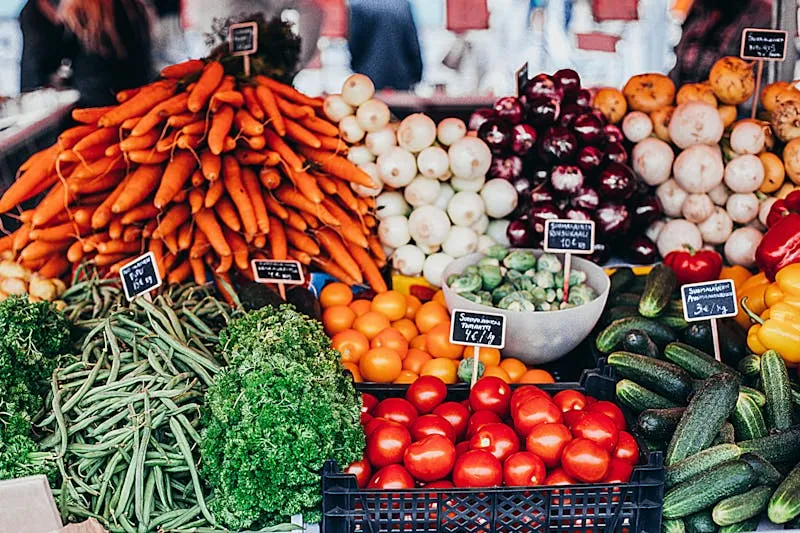
Last year, I worked with a patient — let's call her Sarah — who wanted to go organic "for her kids." First month: her grocery bill jumped from £420 to £680. She lasted six weeks before giving up entirely, guilt included. Her mistake? Replacing every single item with its organic equivalent without any strategy. It's the most common error I see in my practice.
Going organic isn't a switch you flip overnight. It's a dial you adjust based on your budget, your health priorities, and the realities of your local food market. I've spent hours cross-referencing data from the EWG, the USDA, and peer-reviewed studies to build a guide that works with your grocery list, your shops, your wallet.
The dirty dozen: buy these organic first
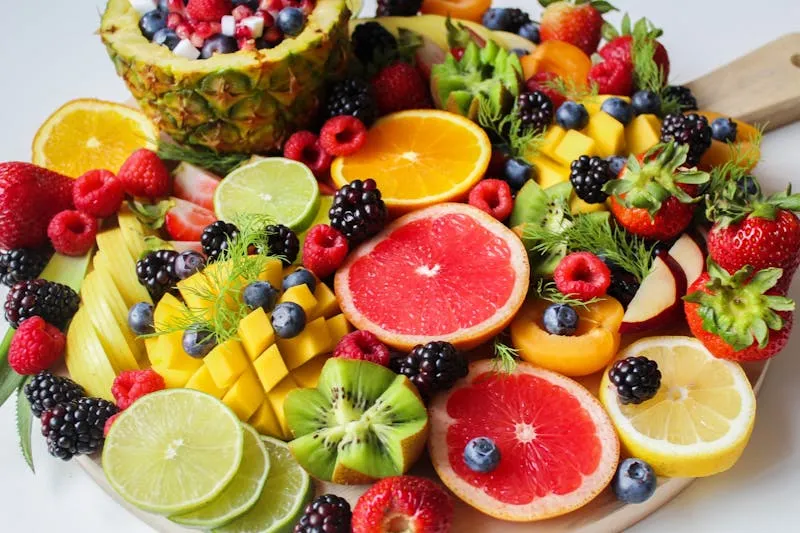
The EWG's Dirty Dozen list is the foundation, but understanding why these items rank highest helps you make smarter decisions when the list doesn't cover everything on your shopping list. Here's the priority ranking with the reasoning behind each:
Top priority (the 6 pesticide champions):
- Strawberries — up to 20 different pesticide residues detected in conventional samples
- Apples — treated an average of 36 times per season in conventional farming
- Grapes — thin skin, maximum exposure, no peeling
- Peaches and nectarines — high cutaneous absorption through fuzzy skin
- Spinach — large leaf surface acts like a sponge for treatments
- Celery — no protective skin, often eaten raw
High priority (the next 6):
- Lettuce and leafy greens — greenhouse-grown conventional varieties are heavily treated
- Bell peppers — waxy skin retains pesticide treatments
- Cherry tomatoes — unfavourable surface-to-volume ratio
- Green beans — treated late in the season, close to harvest
- Courgettes / zucchini — consumed with the skin
- Pears — same issues as apples, with an even longer growing season
A note on seasonality: an organic strawberry flown in from Spain in January, grown in a heated greenhouse and transported 800 miles, doesn't offer the same benefit as a local organic strawberry in June. The hierarchy is simple: organic + local + seasonal > organic alone > local alone > conventional.
The clean fifteen: save your money here
The other side of the strategy is knowing where not to spend more. Some fruits and vegetables are naturally low in pesticide residues — either because their thick skin protects them, pests don't bother with them, or farming practices already use minimal treatments.
No need to pay the organic premium:
- Avocados — thick, impermeable skin, virtually no residues detected
- Sweet corn — natural husk provides a protective barrier
- Pineapples — inedible skin, minimal treatment needed
- Onions — outer layers removed, naturally pest-resistant
- Cabbage — outer leaves discarded, brassicas are naturally protected
- Asparagus — rapid growth means fewer treatments are necessary
- Mangoes — thick inedible skin
- Kiwis — skin removed, very few residues detected in flesh
- Cantaloupe / melon — skin not eaten (but wash before cutting!)
- Sweet potatoes — naturally low-pesticide crop
- Mushrooms — grown indoors, pesticide-free by nature
- Watermelon — thick rind, natural barrier
- Broccoli — few pests, limited treatments
- Carrots — peeling removes most residues (go organic if eating unpeeled)
- Bananas — skin removed, residues primarily on the peel
By combining these two lists strategically, you can reduce your pesticide exposure by 60–75% with only a 20–30% increase in your grocery bill compared to 100% conventional. It's the Pareto principle applied to your plate.
Protein and dairy: where organic truly changes the equation
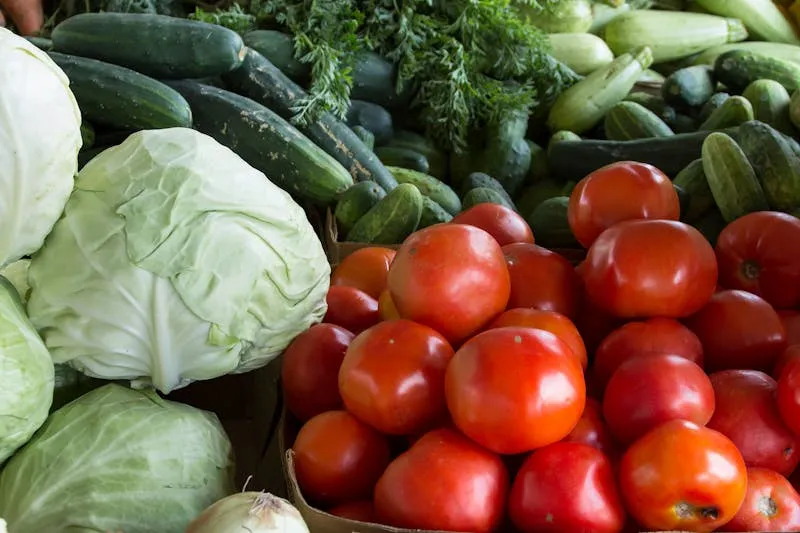
Fruits and vegetables dominate the organic debate, but it's animal protein where organic makes the biggest difference — and where the price gap is most brutal. Let's break it down.
Eggs: the single best organic investment
This is the product with the most favourable benefit-to-cost ratio. Organic free-range eggs cost roughly 30–40p more per half-dozen than caged eggs. For a household using 2 boxes per week, that's about £3.50 per month. In return: no routine antibiotics in the hens' feed, higher omega-3 content in the yolks (organic hens have access to pasture), and a generally superior nutritional profile according to several comparative studies.
Milk and dairy: the endocrine disruptor question
Organic milk contains significantly fewer pesticide residues and antibiotics. More importantly, organic cows are grass-fed for a larger portion of their diet, which changes the fatty acid profile: more omega-3, better omega-6/omega-3 ratio. The price difference is reasonable — roughly 20p more per litre. For butter and yoghurt, the premium is steeper; prioritise organic milk and butter, and stick with conventional yoghurt if the budget is tight.
Meat: organic or free-range?
This is THE question my patients ask most. Organic meat costs 30–80% more than conventional. My advice: eat less meat, but better quality. Rather than buying organic chicken at £12/kg every week, alternate with plant proteins (organic lentils at £2.50/kg — unbeatable value) and reserve organic meat for 2–3 meals per week. Free-range or RSPCA Assured labels offer a solid middle ground: not organic, but with strict welfare standards.
CSA boxes, farmers' markets and direct sourcing
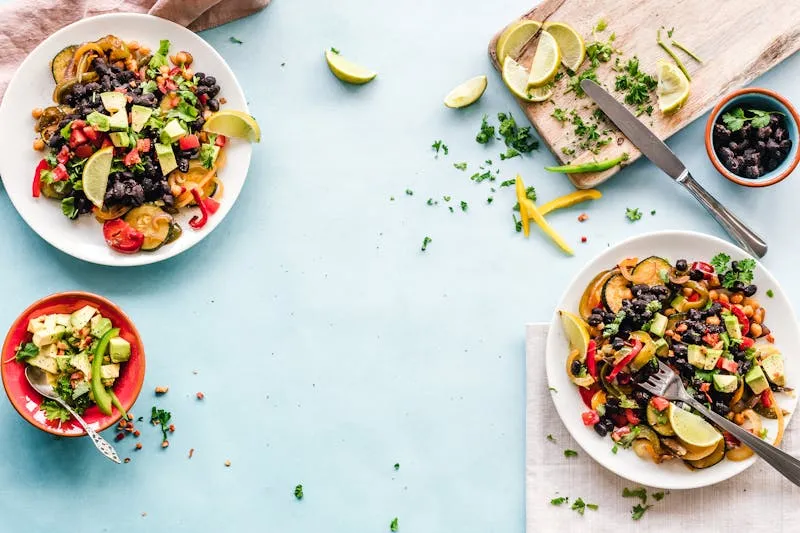
Organic produce in supermarkets comes with a retailer's margin baked in. The same product, bought through direct channels, often costs 20–40% less. Here are the channels worth exploring, from most economical to most convenient:
CSA (Community Supported Agriculture) boxes
The concept: you pay a subscription to a local farm and receive a weekly box of seasonal vegetables. Average price: £10–20 per week for a family box. That's consistently cheaper than the supermarket organic aisle, and the produce is often picked the same day. The downside: you don't choose what's in the box. The garden decides.
Farmers' markets
Not all markets are equal. Watch out for traders who buy from wholesale markets and pose as growers. Real producers can tell you which field your tomatoes came from. Tip: arrive 30 minutes before closing. Producers would rather sell at a discount than carry stock home — you can negotiate 30–50% off on same-day products.
Farm shops and cooperatives
Farm shops, food cooperatives, and online box schemes offer a useful compromise: product choice (unlike CSA), direct-from-farm prices (unlike supermarkets), and fixed collection points. Many regions now have thriving food coops worth investigating.
Meal prep: the number one budget lever
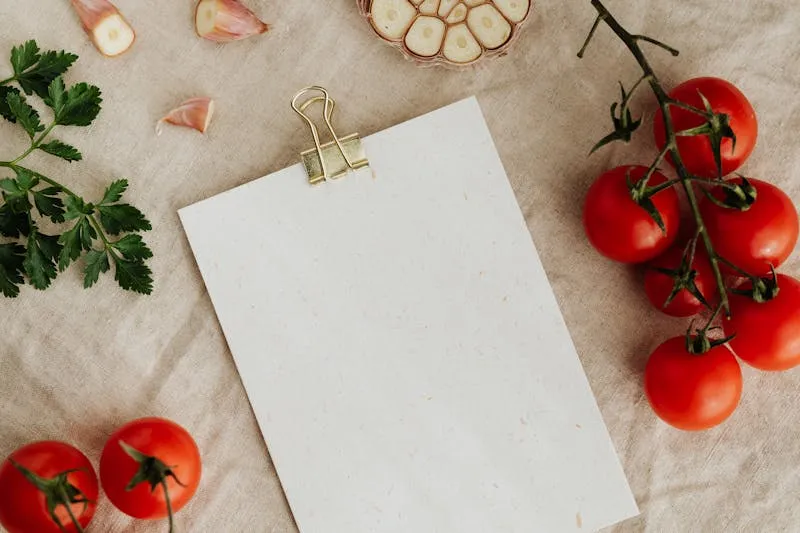
The real secret to affordable organic eating isn't where you shop — it's how you cook. Batch cooking — preparing 2–3 hours of meals for the entire week — is the most powerful lever for absorbing the organic price premium. Why? Because it eliminates the three budget sinkholes: food waste (30% of purchased food ends up in the bin), emergency meals (the evening you cave and order £20 takeaway), and impulse buys (those organic processed snacks at £5 a packet).
The 5-base method
Each Sunday, prepare 5 bases that combine throughout the week:
- One grain — organic brown rice, quinoa, or bulgur wheat (500g cooked, ~£1.20)
- One legume — green lentils, chickpeas, or kidney beans soaked overnight (500g cooked, ~£0.80)
- One roasted vegetable — squash, sweet potatoes, or carrots from the dirty dozen bought organic (1 kg, ~£2)
- One sauce — homemade pesto (organic basil + olive oil + parmesan), honey-mustard vinaigrette, or homemade tomato sauce
- One protein — whole roast chicken (cheaper per kilo than fillets), organic hard-boiled eggs, or marinated tofu
Total cost of these 5 bases: roughly £12–16, organic. From there, you can compose 10+ different meals — bowls, composed salads, wraps, soups, stir-fries. The cost per meal drops to £1.20–1.60 per person, fully organic. That's cheaper than an unprepared conventional meal.
Bulk buying, storage and zero waste strategy

Bulk buying is the organic budget's best friend. By eliminating packaging, you save 15–30% on dry goods: flour, pasta, rice, legumes, oats, dried fruit, spices. And you buy exactly the quantity you need — no more 500g bags of hazelnuts sitting at the back of the cupboard going rancid after you've used 80g for one recipe.
The basic organic bulk kit (monthly cost for 2 people):
- Organic oats: 2 kg → ~£3.50 (vs £5.40 packaged)
- Organic brown rice: 2 kg → ~£4 (vs £6 packaged)
- Organic green lentils: 1 kg → ~£3.20 (vs £4.50 packaged)
- Organic wholemeal pasta: 2 kg → ~£4.50 (vs £6.50 packaged)
- Organic flour: 1 kg → ~£1.60 (vs £2.50 packaged)
- Organic olive oil: 1 L → ~£7 (variable)
Total: ~£24 bulk vs ~£32 packaged. Over a year, that's £96 saved — on basic dry goods alone.
Storage: extending the shelf life of organic purchases
Organic products sometimes have shorter shelf lives (no preservatives, no post-harvest treatments). A few strategies:
- Smart freezing — on purchase day, prep and freeze anything you won't use within 3 days. Organic vegetables freeze beautifully after blanching (2 min in boiling water, then ice water)
- Glass jars — transfer dry goods to airtight jars immediately. This prevents pantry moths (the bane of bulk shopping) and maintains freshness
- Optimised crisper drawer — separate fruits (which release ethylene) from vegetables. Apples next to carrots = bitter carrots within 3 days
- Fresh herbs — stand them in a glass of water in the fridge, like a bouquet. Organic parsley and coriander last 10 days instead of 3
The minimum viable garden: free organic produce from your balcony
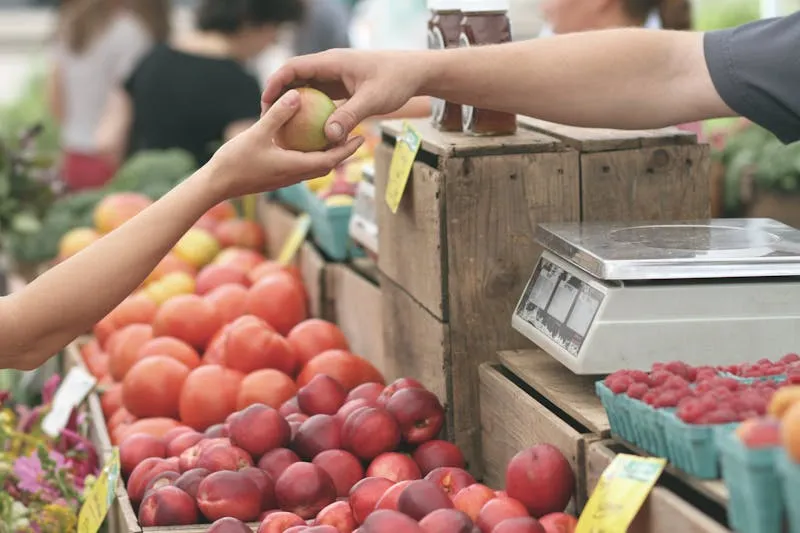
Even without a garden, you can grow some of your organic food. A balcony of 30 square feet is enough for a "minimum viable garden" that saves you £12–20 per month — and gives you produce of a freshness impossible to find in shops.
Top 5 to grow first (savings-to-effort ratio):
- Fresh herbs — basil, parsley, chives, mint, thyme. A pot of organic basil: £2 in the shop, and it lasts 10 days. In a window box: £2.50 of seeds for 6 months of harvests. The ROI is immediate
- Cherry tomatoes — one plant produces 2–4 kg over a season. Cost per plant: £2.50. Shop equivalent: £12–25. And balcony tomatoes have that flavour supermarket tomatoes lost somewhere around 1995
- Cut-and-come-again salads — rocket, mixed leaves, lamb's lettuce. You cut, it regrows. One seed packet (£1.50) provides salads for 4 months
- Strawberries — yes, on a balcony! Everbearing varieties produce from June through October. Four plants (£6) yield around 2 kg over the season. And remember: strawberries are the #1 dirty dozen item
- Radishes — ready in 3 weeks. Perfect for the impatient and the beginner
Starting investment: £25–40 (containers, organic compost, seeds). Payback: by the second month. And beyond the savings, there's a benefit I consistently observe in my patients who start growing: the reconnected relationship with where food comes from transforms their entire approach to eating. When you've grown your own tomatoes, you don't waste them.
Frequently asked questions about organic food and budget
Is organic really healthier, or is it just marketing?
The most rigorous studies — notably the NutriNet-Santé cohort tracking 70,000 people and published in JAMA Internal Medicine — show a significant correlation between regular organic consumption and reduced risk of certain cancers (lymphomas -86%, post-menopausal breast cancer -34%). Correlation doesn't equal absolute causation, but combined with food safety data on pesticide residues, the evidence is robust. Organic isn't a magic talisman — but chronic pesticide exposure is a documented risk, and organic dramatically reduces it.
How do I eat organic on a student budget of £150 per month?
Focus on three levers: bulk organic legumes (lentils, chickpeas — £2.50–3.50/kg for complete proteins), organic eggs (best benefit-to-price ratio), and seasonal fruit and veg at the end of farmers' markets. With batch cooking, a £150 monthly budget for one person can cover 50–60% organic by volume. That's already significant. Fill the rest with conventional "clean fifteen" items to minimise residues.
Why is organic more expensive?
Three main reasons: yields are 20–30% lower (no pesticides means more crop losses), labour costs are higher (mechanical weeding instead of chemical), and certification costs the farmer £500–2,000 annually. But the real question is the reverse: why is conventional so cheap? Because environmental costs (water decontamination, soil erosion, biodiversity decline) and health costs are externalised — paid through taxes and health services, not at the checkout.
Are organic processed foods worth it?
Rarely. An organic biscuit is still a biscuit — made with organic sugar, organic flour, and organic palm oil. An organic label on an ultra-processed product is nutritional window dressing. The value of organic is highest on whole foods: fruits, vegetables, eggs, milk, meat. For processed products, read the label: if the ingredient list is longer than your shopping list, the organic logo redeems nothing.
Is frozen organic produce a good alternative?
An excellent one. Organic frozen vegetables are picked at peak ripeness and frozen within hours — they often retain more vitamins than "fresh" vegetables that spent 5 days in cold storage then 3 days in your fridge. And there's zero waste: you take exactly the quantity you need. Frozen organic peas, spinach, green beans and broccoli are often 30–40% cheaper than their fresh organic counterparts.
Sources and references
- Environmental Working Group — Shopper's Guide to Pesticides in Produce™, 2024
- USDA National Organic Program — Organic Standards and Certification
- NutriNet-Santé cohort — Association of Organic Food Consumption with Cancer Risk (JAMA Internal Medicine, 2018)
- The BMJ — Organic food and health outcomes: systematic review and meta-analysis