5.47am. The alarm hasn't gone off yet and you're already wide awake. It's today. TODAY. There's something happening in your stomach — somewhere between butterflies and a tumble dryer on full spin. Your phone on the bedside table already shows 14 notifications from the "Bride Squad" WhatsApp group. Your maid of honour is asking whether the hairdresser is at 7am or 7.30am. Your mum has sent a screenshot of the weather forecast. Your future husband has just sent: "💍".
You put the phone down. You stare at the ceiling. And one question takes up every corner of your brain: is everything going to go to plan?
The short answer: no. Not exactly. There will be surprises. The photographer will be five minutes late. Someone will leave the rings on the kitchen table. The DJ will turn up at the wrong postcode. Your husband's cousin will faint during the ceremony (true story — I have sources).
But here's what nobody tells you loudly enough: a solid timeline turns surprises into stories you'll dine out on for years. With good organisation, you're not managing emergencies — you're absorbing them. This article is exactly that timeline: minute by minute, from 6am to 2am, with buffer zones, checklists, supplier briefings and Plan Bs.
The Morning: 6am to 11am
This is the time slot that brides underestimate most consistently. "We have loads of time — the ceremony isn't until 2pm." And then at 1pm, nobody's dressed and the florist is calling to confirm delivery.
6am — Wake Up (even if you woke at 5.47am)
No social media. No emails. No frantic checking of the wedding folder. Ten minutes for yourself: a hot drink, a few deep breaths, a look out of the window. This isn't indulgence — it's survival preparation for the hours ahead.
6.15am — Breakfast — NON-NEGOTIABLE
I cannot stress this enough: eat something substantial. Fainting during the ceremony is almost always caused by the same thing — the bride hasn't eaten since the night before. Stress kills appetite; eat anyway. Eggs, toast, fruit. Avoid anything that causes bloating (you know what to avoid when you're wearing a fitted corset).
💡 Kristina's tip — Prep your breakfast the night before. You don't want to be hunting for the toaster at 6.15am on the most important day of your life. A tray in the fridge ready to go — you open it, you eat, you close it. Simple and effective. If you have bridesmaids staying over, order in: a local bakery delivery or a brunch spread means everyone eats without the morning chaos of someone trying to cook scrambled eggs in a silk dressing gown.
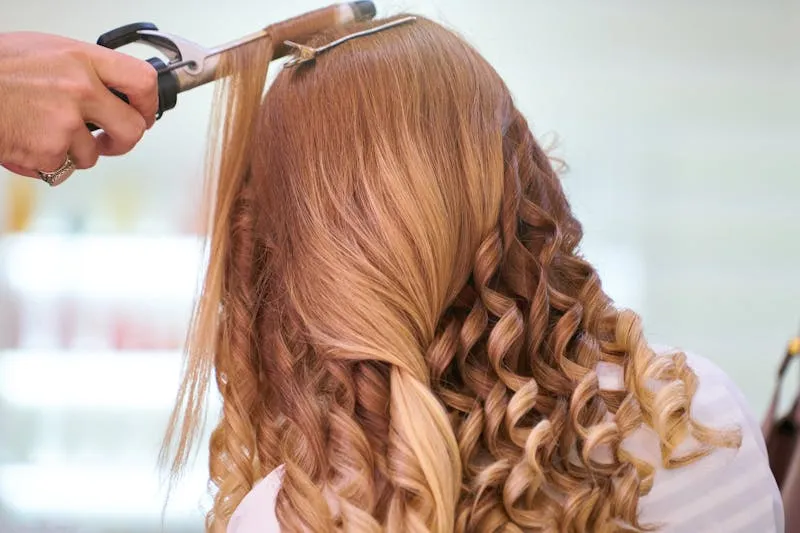
7am — Hair and Makeup Artist Arrives (HMUA)
The golden rule: the bride goes LAST for hair and makeup. Counter-intuitive? Here's why it works. Makeup holds better when it's fresh, and you want to look your best when photography begins — usually around 10-11am, not at 7am. Logical order:
- 7am — Bridesmaids, maid of honour, mother of the bride (if present)
- 8.30am — Bride's hair begins
- 10am — Bride's makeup begins
- 11.30am — Final touches, finishing, complete look
Each slot takes between 45 minutes and 1.5 hours depending on complexity. If you have four people being done before you, calculate accordingly — and build in at least 30 minutes of buffer as standard.
8am — Morning Check-In with Your Maid of Honour
Your first control point of the day. Your MOH should confirm:
- The rings are accounted for (WHICH bag, WHICH pocket)
- The bridal bouquet is on its way or already delivered
- The bride's transport is confirmed (time, driver, postcode)
- The photographer has the correct address
- The best man has his emergency contact briefed
⚠️ Critical point — The rings. I have witnessed ceremonies grind to an awkward halt because the rings were left on the kitchen table. The golden rule: the rings travel with the best man, in an inside jacket pocket, from the night before. Not in a bag. Not in a jewellery box on a dresser. In a pocket. On his person. Confirm this at the rehearsal dinner.
9am — Getting Ready Photos
If you have a photographer or videographer, this is prime time for "getting ready" shots. Dress hanging in the window light, shoes arranged on the bed, champagne flutes with the bridesmaids, detail shots of jewellery and accessories. These images are often brides' favourites from the whole album — they capture the unique atmosphere of a wedding morning.
Plan ahead the night before: hang your dress somewhere with beautiful natural light, put your accessories in an accessible spot, and let your photographer know if there are specific moments you want captured.
11am — Getting Dressed
Allow 20 to 45 minutes depending on your dress. A laced back takes time. A corset with forty buttons takes time. Do a practice run before the wedding day with the people who'll be helping you into it.
Once dressed, stay in the room until departure. The more you move around after getting into the dress, the more you risk creases, snags, and the inevitable champagne splash.
Pre-Ceremony: 11am to 2pm
11.30am — First Look (Optional but Recommended)
The first look — that moment where the groom sees the bride for the first time — still divides opinion in some traditional families. But from a purely logistical perspective, it transforms the day.
Here's why photographers love it: it allows you to complete a significant portion of your couple portraits BEFORE the ceremony, when you're fresh, your makeup is intact, and nobody is waiting for you yet. Result: you arrive at the ceremony calmer, and you actually enjoy the drinks reception instead of spending 90 minutes in a photo session.
💡 Kristina's tip — If you're torn between the first look and the tradition of not seeing each other before the ceremony, ask yourself which image you want to have in ten years. Most couples who did the first look say it was their favourite moment of the entire day — more intimate, more genuine than any group photo. Seeing your groom utterly fall apart when he turns around and sees you, with just your photographer and no 150 witnesses... that's not nothing.
12.30pm — Light Lunch Before the Ceremony
Often forgotten entirely. You've been up since 6am, you won't sit down to eat until 5pm or later. A light lunch — something that won't stain (avoid tomato sauce in a white dress), nothing that leaves a smell — keeps your blood sugar stable and prevents the dreaded 3pm energy crash. Sandwiches, salads, fruit. And water, water, water.
1pm — Departure from the Getting Ready Venue
Rule: build in 30 minutes of buffer onto whatever Google Maps says, regardless of distance. GPS says 15 minutes? Leave at 1pm for a 2pm ceremony. Unexpected traffic, the dress catching on the car door, the spontaneous photo with the neighbours — everything takes longer on the wedding day.
The bride leaves LAST — or second-to-last if you want someone on-site to greet early arrivals. Your immediate family and wedding party depart slightly before you.
1.30pm — Arrival at the Ceremony Venue
Whether you're marrying in a church, a licensed venue, or a register office, arrive 15 minutes early. Register offices in particular run on a tight schedule — if they have a wedding at 1.30pm and you arrive at 2.10pm, they may not be able to accommodate you. Check your venue's specific requirements well in advance.
Arriving early at a church gives you time to review the Order of Service, confirm with the vicar or celebrant, check that confetti restrictions are clear for guests (many churches now restrict or ban confetti — know this in advance and inform your guests).
The Ceremony: 2pm to 3pm
2pm — Processional
Ceremony timing depends on the type:
- Register office ceremony: 20 to 30 minutes. Efficient, legally binding, often intimate.
- Humanist/celebrant-led ceremony: 45 minutes to 1 hour 15. Personalised vows, readings, music, rituals.
- Church of England ceremony: 1 hour to 1 hour 30. Hymns, readings, sermon, signing of the register.
For a 2pm ceremony, plan for the recessional no later than 3.15pm. Your suppliers have built their whole day around this.
During the Ceremony — What You Can Control
Very little — and that's exactly right. This is your moment to let go of logistics entirely. While you exchange your vows, your MOH is watching the clock, the DJ is loading his playlist, the caterers are setting up the drinks reception. You delegated. Now enjoy.
One thing to brief your officiant on beforehand: give them a maximum running time. Some clergy and celebrants, swept up in the emotion of the occasion, can run 20 minutes over schedule. A quiet conversation at the rehearsal ("we need to be out by 3.15pm for the caterers") works wonders.
💡 Kristina's tip — Prepare a ceremony briefing document for your officiant: music tracks and exact cue points (processional, ring exchange, recessional), correct names for the witnesses who sign the register first, your personalised vows if you want them read back, timing targets for each section. Hand it over at the rehearsal, not on the morning — they need time to absorb it properly.
Signing the Register
In the UK, you sign the register during the ceremony itself (the marriage schedule since May 2021, which replaced the register book). This typically happens after the vows and ring exchange, with your two witnesses. Allow 10 to 15 minutes — this is also a beautiful moment for photography, so let your photographer know it's coming.
3pm — Recessional and Receiving Line
Allow 15 to 20 minutes for the receiving line — the traditional practice of greeting every guest individually as they file out. With 100 guests at 30 seconds each, you're looking at close to an hour. Some couples opt for a more informal mingling approach; others streamline with an organised receiving line. Either way, build it into your timeline.
Confetti moment: if your venue permits it (check in advance — not all churches and licensed venues allow confetti, and many specify biodegradable only), have your ushers distribute packets to guests before the recessional, not after.
Drinks Reception: 3pm to 5pm

3.15pm — Drinks Reception Begins
The drinks reception typically runs 1.5 to 2 hours. This is where your guests mingle, where your university friends meet your work colleagues, where the first informal toasts are raised. Prosecco, Pimm's, elderflower cordial — the choice says something about the kind of couple you are.
For you as a couple, this is also prime time for group photographs. Establish a clear shot list with your photographer beforehand, in order of priority:
- Couple alone (5 min)
- Couple + bride's parents (3 min)
- Couple + groom's parents (3 min)
- Couple + both families together (5 min)
- Couple + bridesmaids (3 min)
- Couple + groomsmen (3 min)
- Full wedding party (5 min)
- Large group photo (10 min)
Total: 35 to 40 minutes. With movement between spots and rounding up guests, allow a full hour. Assign someone (MOH, an usher) to wrangle people — don't let your photographer spend half their time chasing down Great Uncle Clive.
3.45pm — Couple Portraits
After the group shots, block out 30 to 45 minutes for just the two of you with the photographer. These are typically the photos that end up framed on walls and in albums. Step away from the crowd, find a beautiful corner of the venue, and let your photographer guide you. Trust them — they've done this before.
⚠️ Critical point — Eat during the drinks reception. I know you're busy greeting guests and posing for photos. Eat anyway. Nominate someone (your mum, your MOH) to physically put canapés in your hand every 20 minutes. The story of the bride who fainted during the wedding breakfast is not the story you want to tell at future dinner parties.
4.45pm — Call to the Wedding Breakfast
Have a clear signal planned for calling guests from the drinks reception into the dining room: a bell, a glass tap, a DJ announcement, or an usher going round. Guests don't all move at the same speed — some are deep in conversation, some are still in the queue for the loo. Allow 15 minutes between the signal and everyone being seated.
Wedding Breakfast: 5pm to 8pm
5pm — Grand Entrance
The couple's entrance into the dining room, typically announced by the DJ with a pre-selected track. Guests stand to welcome you. This is your moment — take it. Thirty seconds of pure joy if you let it wash over you.
5.15pm — Starters Served
The wedding breakfast follows this broad rhythm:
- 5.15pm — Starters
- 6.00pm — Main course
- 7.15pm — Dessert
- 8.00pm — Coffee and petit fours / transition to evening
Speeches slot between these courses. Don't leave a 45-minute gap between courses with nothing happening — conversations flag and children start running between tables.
Speeches — The Trickiest Timing Element
British wedding tradition places speeches AFTER the meal — typically after the dessert but before the cake cutting. This differs from many European traditions, and it has distinct advantages: guests are fed, relaxed, and receptive; the alcohol has taken a gentle edge off the nerves; and the laughter comes more easily.
Traditional UK speech order:
- Father of the bride (or bride's chosen speaker)
- Groom
- Best man
- Optional: bride, maid of honour, other speakers
The golden rules of wedding speeches:
- Maximum 4 speeches total
- Maximum 7 minutes per speech (7 is already pushing it)
- Never two speeches back-to-back without a course break
- Always end on a toast to bring energy back up
💡 Kristina's tip — Brief your speakers 10 days out: give them the time limit, the tone (heartfelt? funny? both?), and whether there's a microphone or a standing lectern. Speeches that overrun exist because nobody established that there was a limit. Say it clearly. With love, but clearly. Also: ask the best man to share a rough draft. Just in case.
Evening Reception: 8pm to 2am

7pm — Evening Guests Arrive
In UK weddings, it's common (and entirely socially acceptable) to have a split guest list — a smaller group for the ceremony and wedding breakfast, with additional guests invited for the evening reception only. Evening guests typically arrive from 7pm onwards, welcomed with a drinks reception of their own and joining the party as the dancing begins.
Designate someone to welcome evening guests and brief them on what's happened during the day — a printed programme or a short announcement from the DJ works well.
8pm — First Dance
The first dance — or opening dance — is one of the most anticipated moments of the evening. A few guidelines:
- Choose a song you genuinely love, not just "what you're supposed to"
- If you're not natural dancers, embrace it with humour — guests love authenticity
- Ideal length: 2 to 3 minutes, then the DJ invites everyone onto the floor
- Give the DJ a 30-minute heads-up that you're ready
8.30pm — Evening Dancing Begins
The DJ or band takes over. Give them your "must play" and "never play" lists in advance — some tracks, however beloved, can create unintended atmospheres given recent family events. Then let the professional manage the room's energy. That's what you're paying them for.
9pm — Cutting the Cake
The cake cutting is typically timed for around 9 to 9.30pm — when all the evening guests have arrived and the party is in full swing, but before the first departures begin. Announced by the DJ, photographed, filmed — and then distributed to guests while the dancing continues.
9.30pm — Bouquet Toss (Optional)
The bouquet toss remains a tradition, but an increasing number of brides skip it — and that's perfectly fine. If you do it, use a dedicated second bouquet (not your £300 bridal bouquet) and have an MC gather the single ladies. Brief the DJ on timing so it doesn't just happen randomly mid-dancefloor.
11pm — Late Night Snack
A UK wedding staple that guests always adore: the late-night food offering. A bacon butty station, a fish and chip van, a cheese table, or a pizza delivery — something substantial that keeps dancers going for the final hours. If your venue and caterers allow it, budget for it. The return on investment in guest happiness is remarkable.
12am — Midnight Check-In
By now, some guests will be leaving. Designate your MOH or a trusted family member to ensure older guests have taxis booked, children are with their designated carers, and any guests who've overindulged are looked after safely.
2am — Last Dance
The final song should be a deliberate choice, announced by the DJ — not an abrupt end that leaves guests bewildered. A well-chosen closer gives the evening a proper, emotional full stop. Arrange it with your DJ beforehand: the song, the lighting change, the moment everyone knows it's nearly time to go home (or on to the afterparty).
Buffer Time: Why You Need It

Here is the rule every wedding planner applies and that very few couples accept gracefully: add 30 minutes of buffer between every major block in your day. Not ten minutes. Not fifteen. Thirty.
Why? Because transitions take time. Moving 120 guests from a ceremony to a drinks reception, calling everyone into the dining room, launching the first dance after dessert — every transition has an irreducible human inertia. If your timeline is tight to the minute, the first delay creates a domino effect that ruins the entire afternoon.
The moments where delays occur most frequently, according to UK wedding industry data (Hitched.co.uk, 2024 Supplier Survey):
- Getting ready (67% of weddings) — hair or makeup takes longer than planned
- The ceremony (43%) — officiant overruns, or late arrivals disrupt the start
- Group photos (71%) — "wait, Grandma isn't in this one!"
- Moving into the dining room (55%) — guests linger at the drinks reception
The solution isn't to be stricter about timings. It's to build a timeline that naturally absorbs these delays.
Example — version without buffer:
- 2pm — Ceremony
- 3pm — Recessional and photos
- 4.30pm — Drinks reception
- 5pm — Wedding breakfast
Version with buffers:
- 2pm — Ceremony
- 3.15pm — Recessional and group photos (30 min buffer absorbed from ceremony + transition)
- 5pm — Drinks reception (45 min buffer for couple portraits + guest movement)
- 6pm — Wedding breakfast
If everything goes smoothly, you arrive ahead of schedule and enjoy every moment more fully. If something goes sideways, you absorb the delay without chaos.
Vendor Coordination
Each supplier needs their own personalised timeline — not the general wedding programme, but their specific briefing. Here's what each needs to know.
Photographer / Videographer
- Arrival time and address (getting ready venue)
- Time and address of ceremony venue
- Shot list for group photographs (with names)
- Desired end time of coverage
- MOH's contact details (on-the-ground coordinator)
Caterer / Venue Coordinator
- Arrival time for setup
- Drinks reception start time
- Call to dining room time
- Course pacing (with speech windows built in)
- Cake cutting time
- Evening buffet / late-night food time
- Close time
DJ / Band
- Arrival and setup time (typically 2 hours before first use)
- Couple's entrance track
- First dance timing
- Bouquet toss timing (if applicable)
- Last dance timing and chosen track
- Must-play and never-play lists
Florist
- Delivery time (bouquets, buttonholes, ceremony and reception florals)
- Delivery address (getting ready venue or reception venue?)
- On-site contact — not you; someone who can sign for delivery and check it's complete
💡 Kristina's tip — Create a "Supplier Timeline" document shared via Google Drive or Notion with all your suppliers. Not a static PDF — a live document you can update right up to the last moment. Include your MOH's phone number and your wedding coordinator's number (if you have one) as the primary on-the-day contacts. You don't answer supplier calls on your wedding day. They do.
The Emergency Kit
The wedding emergency kit is the bag nobody wants to pack and everybody blesses on the day. Here's what it needs to contain, based on testimonials from maids of honour across the English-speaking world (it's a universal institution):
Sewing and Adjustments
- Sewing kit (needles, white/black/nude threads, safety pins)
- Double-sided fashion tape (for gaping necklines, drooping hems, rogue straps)
- Large safety pins (dress emergencies tend to be large)
- Fabric glue for quick fixes
Stain Removal
- Tide To Go pen (or equivalent — the best man's jacket friend since time immemorial)
- Wet wipes (for makeup on suits and jackets)
- Absorbent tissues (for underarm dampness on a warm June day)
Health and Comfort
- Paracetamol and ibuprofen
- Blister plasters (heels + a full day on your feet = inevitable)
- Antihistamines (outdoor venue + summer flowers + stress = possible flare-ups)
- Eye drops (happy tears + makeup = stinging eyes)
- Anti-nausea tablets
- Spare deodorant
- Mini makeup bag: foundation, concealer, setting powder, lipstick for retouches
Logistics
- Phone charger and portable battery bank
- Cash in small notes (for tips and unexpected extras)
- Printed list of all supplier phone numbers (for when your phone inevitably dies at 7pm)
- Venue map or floor plan (for directing lost guests)
- Discreet snacks: cereal bars, nuts — for photo sessions far from the canapé trays
Evening Comfort
- Ballet flats or comfortable evening shoes for dancing
- Long-lasting makeup remover wipes for late-night touch-ups
- Extra sticking plasters — because the ones from 6pm will have given up by 10pm
⚠️ Critical point — This kit travels with your MOH, not with you. You are not managing a bag on top of your dress, your bouquet, and your emotions. Your MOH carries the kit, anticipates the needs, and materialises at your elbow with the Tide pen when you spill red wine on your dress at 9.30pm. That's what a brilliant MOH does. Make sure she knows it's her job.
Weather Plan B
You can plan the most perfect June wedding, refresh the Met Office app every 20 minutes for six weeks, and wish upon every star — the weather will do what it wants. The question isn't "could it rain?" (answer: yes, always, this is Britain) — it's "what's our plan if it does?"
For an Outdoor Ceremony or Reception
- Marquee or gazebo: the most reliable solution. If you're marrying outdoors, a backup structure might feel like an expensive addition — but not as expensive as a ruined reception or a damaged dress.
- Identified indoor fallback: which indoor space can accommodate your guests if needed? Who makes the call, and when?
- Clear umbrellas: they've become a wedding trend in their own right — and honestly, photos of couples kissing under clear umbrellas in the rain are spectacular. Have a stash ready.
Weather Decision Protocol
Define a decision time (e.g., H-3 before the ceremony) and a responsible decision-maker (your venue coordinator, your wedding planner, or a designated trusted person). At that time exactly, you look at the forecast and decide: outdoor or indoor. No hovering, no "we'll see how it looks". One clear decision, made and communicated to all parties.
💡 Kristina's tip — Rain on your wedding day is supposedly good luck according to multiple folk traditions. I'm not sure who invented that (probably someone trying to comfort drenched newlyweds in a country with notoriously unpredictable weather), but the physics of it are actually compelling: the albums I've seen with rain photos are some of the most beautiful. When you stop fighting the weather and decide to live it instead, it shows. Completely. In every frame.
Delegation: Who Does What
The most stressful wedding is the one where the bride tries to control everything. The most successful wedding is the one where the bride has managed to let go because she trusts her key people.
The Maid of Honour
Her day-of role:
- Primary contact for all suppliers (phone in hand all day)
- Keeper of the emergency kit
- Timeline guardian (checks the clock at every transition)
- Emotional buffer (the person who says "everything's fine" and actually makes sure it is)
- Candid photographer (with her own phone, for the informal moments)
A Trusted Organiser Friend or Family Member
Ideally someone who knows the venue and the suppliers. Their role:
- Welcome suppliers on arrival
- Orient guests (car park, toilets, venue layout)
- Keep children supervised and calm
- Handle minor logistical surprises (lost supplier, guest who can't find their seat)
Your Wedding Planner or On-the-Day Coordinator (If You Have One)
This is exactly what they're there for. If you've invested in a coordinator, they know your timeline inside out, they have every supplier's number, and they've managed weddings like yours dozens of times before. Trust them. That's the product you bought.
If you don't have a planner, the combination of your MOH + a trusted organiser friend + the venue's on-site coordinator makes a solid team.
Frequently Asked Questions
When should I send the timeline to my suppliers?
Send the finalised version at least 10 days before the wedding, then follow up at T-2 days with a brief message: "Hi [Name], just a quick reminder for Saturday. You're arriving at [Venue] at [Time]. On-the-day contact: [MOH name] on [number]. See you then!" Short, clear, reassuring for everyone.
Should the bride and groom sleep separately the night before?
It's a tradition with logistical advantages (no groom in the way during morning prep) but absolutely no obligation. If you'd rather wake up together, adapt the timeline: the groom heads to his getting-ready venue from 8-9am onwards, and you don't see each other again until the ceremony or first look. Do what feels right for you as a couple.
How long should I allow for couple portraits?
A minimum of 45 minutes for a quality session, ideally 1 to 1.5 hours if you're doing a first look AND a golden hour session. The best couple portraits often happen during golden hour — roughly 60 minutes before sunset. Check the exact sunset time for your wedding date and schedule your portrait session accordingly. In June, that's typically around 9pm in the UK.
How do I handle guests who arrive late to the ceremony?
Universal rule: the ceremony starts on time. Latecomers are quietly shown to back seats without disrupting proceedings. For guests you know are chronically late: tell them the ceremony is 30 minutes earlier than it actually is. Yes, this is sneaky. Yes, it works. You can feel slightly guilty about it while walking down the aisle on time.
What if a supplier cancels at the last minute?
First: read your contracts. Every reputable UK supplier has cancellation and replacement clauses. Second: contact local wedding Facebook groups and Bridebook's supplier communities immediately — last-minute replacements happen more often than you'd think, and the wedding industry is a tight-knit community. Third: for truly irreplaceable suppliers (photographer especially), wedding insurance — which you should have taken out at the time of booking — typically covers supplier cancellation. Check your policy now if you haven't already.
Sources
- Hitched.co.uk — UK Wedding Planning Guides and Supplier Survey 2024
- Bridebook — Wedding Day Timeline and UK Wedding Industry Report, 2024
- Rock My Wedding — Real wedding timelines and day-of planning advice