
There are two types of fashion spending. The kind you forget in three weeks (the £9.99 top that bobbled in the first wash). And the kind you're still wearing in ten years (the trench, the bag, the ankle boots). The difference isn't always about price — it's about fabric, cut, and knowing exactly where to put your money.
I've done both. Dozens of times. And when I actually tallied what I'd spent on fashion over five years, the fast-fashion total was terrifying compared to a handful of quality pieces chosen carefully. This guide isn't a call to unaffordable luxury. It's a concrete plan to spend less by spending better.
Why invest rather than accumulate
The economic argument first, because it's the most compelling. A McKinsey study on the fashion industry found that a fast-fashion piece is worn an average of 7-10 times before being discarded. A quality piece: 30-200 times depending on the category.
Do the maths yourself. A Zara trench at £70 worn 8 times = £8.75 per wear. A quality trench from Reiss or & Other Stories at £350 worn 200 times over 15 years = £1.75 per wear. Which is the real investment?
The environmental argument follows: the textile industry is one of the world's most polluting. Every piece you buy and wear 200 times instead of 8 mathematically reduces your impact.
And the aesthetic argument: the coherent, capsule, timeless wardrobes — the ones you admire in "closet tour" videos — aren't built on quantity. They're built on 20-30 carefully chosen pieces that assemble perfectly.
Quality criteria that don't lie
Before we go category by category, some universal criteria for evaluating the quality of a piece — in store or online.
Fabrics to target
For clothing:
- Merino wool: temperature-regulating, lightweight, durable, naturally odour-resistant
- Cashmere: the gold standard — soft, insulating, very durable if well maintained
- Linen: breathable, improves with washing, perfect for summer pieces
- Heavy cotton (280 g/m² and above): for t-shirts and jumpers that hold their shape
- Silk: delicate but timeless, naturally temperature-regulating
- Selvedge denim: traditional Japanese or American woven denim, lasts decades
For shoes and accessories:
- Full-grain leather: the finest leather, develops patina over time, endlessly repairable
- Top-grain or corrected-grain leather: robust and scratch-resistant
- Leather soles or Goodyear welt construction: resoleable (a key criterion for shoes)
Construction quality signs
- Straight, regular seams — no small gaps or loose threads
- Pattern matched at seams (stripes, checks) — a sign of care in cutting
- Neat buttonholes — no trailing threads, clean finishes
- Lining in jackets and coats — eases dressing and protects the garment
- Full composition label — be suspicious of vague labels ("textile fibres")
- Weight in hand — a quality garment generally has substance and weight
Coats and jackets — the masterpieces
If you can only invest in one category, this is it. A good coat transforms any outfit. A poor coat sabotages even the best one.
The coat — investment criteria
Fabric: pure wool (80-100%), wool cashmere, or wool alpaca. Avoid anything with more than 30% polyester or acrylic — these materials bobble, lose their shape, and age badly.
Cut: choose a timeless silhouette — a straight coat, belted coat, or duffle coat. Very structured or very fashion-forward cuts belong to a single season.
Length: knee or mid-calf depending on your proportions. These lengths cross decades.
Realistic budget: £200-500 for quality European or British-made. Below: questionable materials. Above: you're mostly paying for the label.
British brands worth exploring: Hobbs (quality wool coats with classic cuts), Jigsaw (excellent fabric quality for the price), Mulberry (heritage), Margaret Howell (investment-grade tailoring). And for second-hand: Vestiaire Collective or eBay Fashion for quality pieces at significantly reduced prices.
The blazer — the Swiss army knife
A good blazer in quality fabric (wool, heavy cotton, or crépon) works over jeans, a dress, or tailored trousers. It's the most versatile piece in the wardrobe.
Criterion number one: the cut. It must sit perfectly on your shoulders — not too wide, not too narrow. A poorly-tailored blazer is never recoverable.
Shoes — investment number one
Shoes are, in my view, the most important fashion investment. And the most neglected. We spend £250 on a bag we carry three times a week but £25 on the shoes we wear every day.
Why shoes deserve the largest budget
Three concrete reasons:
- Postural and health impact: poor shoes create foot, knee, and back pain. The hidden cost of cheap shoes includes physio and podiatry.
- Frequency of wear: a pair worn daily is 200-300 wears per year.
- Repairability: a good pair of leather shoes can be resoled 10-15 times. With proper care, they can last 20-30 years.
The pieces worth investing in
Chelsea boots in leather: the most versatile shoe. Over jeans, tailored trousers, or a dress. In calf leather or box calf, with a leather or thick rubber sole. Budget: £150-300. Look at Grenson, Tricker's, or Joseph Cheaney — British heritage cobblers with excellent value.
Leather loafers: the 21st-century court shoe. Comfortable, smart or casual depending on context. Budget: £130-250. Penelope Chilvers, Russell & Bromley, or Church's at sale.
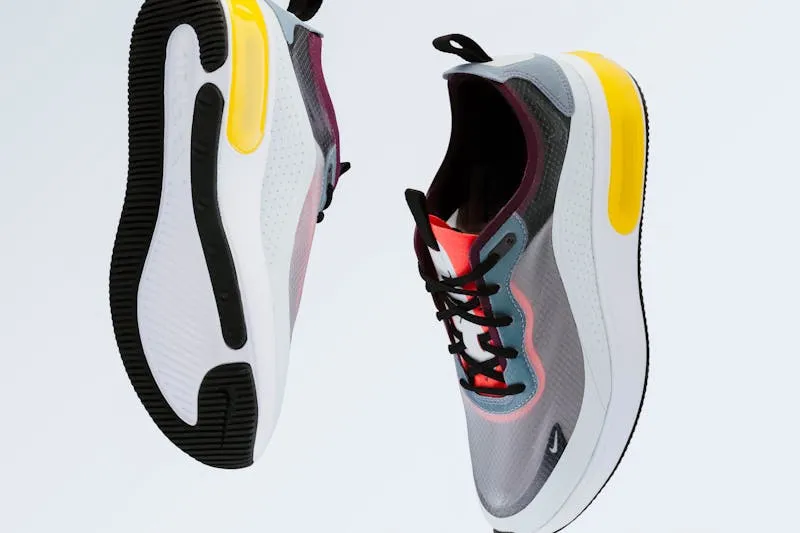
White or ivory leather trainers: not sportswear sneakers — clean leather trainers with a flat sole. They work with everything. Budget: £100-200. Veja's canvas/leather options, Common Projects dupes, or Zespà.
Quality accessible brands
Without going into luxury: Clarks (British heritage, good quality leather at accessible prices), Loake (Northamptonshire-made, excellent value), Barbour for country boots, and Grenson for investment-grade leather shoes. For second-hand: a used pair of LK Bennett or even Prada in good condition at £80-120 can far exceed new high-street purchases.
The bag — the accessory that transforms an outfit
A good leather bag means 10-20 years of reliable wear. A poor one means 18 months before the seams fail or the coating peels.
What makes a good investment bag
Full-grain leather: the best. Develops a unique patina over time. Recognisable by its slightly irregular touch — that's not a flaw, it's proof it's genuine leather.
Strong seams: hand-stitched on quality bags. Check that corner and handle seams are doubled or reinforced.
Quality hardware: heavy clasps, YKK or Lampo zips, thick metal rings. Cheap hardware is often the first failure point.
Honest lining: suedette, heavy cotton, or leather interior — not thin plastic that tears.
The timeless shape
Invest in a classic shape: the structured tote, the leather baguette, the bucket bag, the rigid leather crossbody. These shapes don't date. A "very on-trend" bag will look passé in three years.
The perfect jeans — a classic reinterpreted
Jeans are the most-worn piece in the average wardrobe. And yet we treat them as disposable — we buy many, wear a few.
What distinguishes good jeans
Selvedge Japanese or American denim: woven on traditional shuttle looms, denser, developing a unique patina over time (wear marks become individual visual signatures). Levi's Red Tab vintage, Japan Blue, Samurai Jeans, or British brands like Blackhorse Lane Ateliers (London-made selvedge denim).
Fabric weight: 12-14 oz for robust, durable denim. Below that: the fabric is too thin and loses its shape.
The cut: invest in a timeless fit — slim straight, slightly relaxed mum jean, or straight leg. These cuts cross decades without looking dated.

Budget: £70-150 for good denim. Below, the materials are too lightweight. The exception: original Levi's 501s in heavy denim — a reliable value at around £70-90.
Cashmere and merino — clothes for life
A good cashmere or merino jumper, properly maintained, can last 20-30 years. I still have my mother's cashmere jumper. It's 25 years old and it's perfect.
Cashmere: how to recognise the real thing
The composition must say 100% cashmere or 95%+ cashmere. Below 95%, the thermal and tactile properties are significantly reduced.
The grade of cashmere matters too: Grade A (fibres of 14-15.5 microns diameter) is the finest and softest. Hard to verify in store, but serious brands mention it.
Accessible quality cashmere brands: Uniqlo (extra-fine Grade A cashmere at unbeatable prices), Johnstons of Elgin (Scottish, the reference), N.Peal (London, Royal Warrant holder), Naadam (direct-to-consumer, strong value). For investment pieces: Loro Piana and Brunello Cucinelli second-hand on Vestiaire.
Merino: the cashmere of sportswear
Merino wool (18 microns and below) is as soft as cashmere but more durable and easier to care for. It regulates temperature, is naturally odour-resistant, and dries quickly. Perfect for everyday jumpers.
Brands: Icebreaker (New Zealand merino, strong sustainability credentials), Smartwool, John Smedley (Derbyshire-made, the finest merino knitwear in Britain). For everyday wear, Uniqlo's merino range is excellent value.

What NOT to invest in
As important as knowing where to invest: knowing where not to spend heavily.
Short-lived trend pieces: prints strongly identified with a single season, extreme shapes (enormous puffed sleeves, very asymmetric cuts), colours that scream "this year's trend." These pieces will be fashionable for two seasons at most.
Loungewear and home pieces: the velvet tracksuit at £120, the satin lounge set... These are passing pleasures, not investments. Buy them cheaper.
Occasional event pieces: the cocktail dress worn once a year. Hire it or buy second-hand.
Heavily logoed accessories: the bag with the giant visible monogram. These pieces date quickly because they're too strongly associated with a particular moment.
Budget strategy: how to allocate your pounds
There's no universal budget, but there is a universal logic: invest in proportion to frequency of wear and visual impact.
The fashion investment pyramid
Level 1 — Structural pieces (60-70% of annual fashion budget): coat, jackets, shoes, bags. These pieces are seen from a distance and worn often. This is where quality makes the biggest difference.
Level 2 — Base pieces (20-25%): jeans, jumpers, heavy cotton t-shirts, timeless dresses. Good quality but not premium — these pieces are replaced more often.
Level 3 — Trend pieces (10-15%): the season's pleasure purchases, the trends you want to test. Here, a lower price is acceptable because you're accepting their limited shelf life.

Care — the other secret to longevity
Buying quality isn't enough. Care is the second half of the equation.
Fundamental care rules
Cashmere and wool: hand wash in cold water with gentle shampoo or specialist wool wash (Woolite, Eucalan). Never machine wash precious pieces, even on delicate. Dry flat — never hang to dry.
Leather: regular cleaning with a slightly damp cloth, conditioning cream (Saphir, Collonil) 2-3 times per year depending on use. Shoe trees in wood for shoes — essential for keeping shape — stored with cedar inserts to absorb moisture.
Denim: wash as infrequently as possible (turn the jeans inside out, wash at 30°, air dry). Selvedge denim purists wash their jeans only after 6-12 months to allow the patina to form naturally.
Silk: hand wash in cold water, neutral product. Never wring — press gently in a towel and dry flat.
Frequently asked questions about investment fashion pieces
What's the minimum budget for a genuine investment piece?
No absolute rule, but some benchmarks: quality wool coat from £200-250, genuine leather ankle boots from £130-160, full-grain leather bag from £160, cashmere jumper from £70-80 (Uniqlo Grade A). Below these thresholds, materials rarely hold up for 10 years. Second-hand is a serious alternative for accessing these categories at reduced prices — a well-maintained Jigsaw coat second-hand at £80 is a better investment than a new synthetic coat at £120.
How do I know if a garment is truly "timeless" or just "classic this season"?
Simple test: search for photos of this style in magazines from 10, 20, and 30 years ago. The straight wool coat has existed since the 1940s. The blazer since the 1960s. The Chelsea boot since the 1960s too. If the shape has existed for at least 15-20 years and is still worn today, it's timeless. If it appeared two seasons ago, be cautious.
Is a second-hand luxury piece better than a new mid-range piece?
In most cases: yes. A Mulberry bag second-hand in good condition at £250 far surpasses a new bag from an unknown brand at £180. Condition: buy on platforms with authenticity verification (Vestiaire Collective, Rebag, or eBay's Authenticity Guarantee for bags) and request detailed photos of stitching, hardware, and interior.
How do I care for a leather bag to last 20 years?
Simple routine: clean with a slightly damp cloth after use in rain. Apply a leather conditioning cream (Saphir, Collonil) 2-3 times per year. Store in its cotton dust bag when not in use — never in a plastic bag which suffocates the leather. Avoid prolonged direct sunlight. And if a scratch appears on full-grain leather: rub gently with your fingertip — the warmth often resolves small marks.
Are "sustainable" and ethical brands actually worth the higher price?
Often yes, for good reasons: certified materials, transparent production conditions, careful finishing. UK brands worth knowing: Stella McCartney (sustainable luxury), People Tree (pioneer of fair trade fashion), Thought Clothing, Lucy & Yak (organic cotton), Veja (shoes, B Corp certified), Arket (H&M group but genuinely better quality than H&M). These brands have higher pricing justified by real production costs. The alternative: second-hand for accessing quality without paying the new price.
What to do with quality garments you no longer want?
In order: 1) Sell on Vinted or Vestiaire Collective (for branded pieces, you recover real value). 2) Donate to a quality charity shop (British Red Cross, Oxfam's Boutique range). 3) Alter — a good tailor can shorten a skirt, take in a coat, change buttons. 4) As a last resort: textile recycling (H&M, M&S, Zara accept deposits). Never the bin for genuinely good fabric.
Do these same rules apply to men's fashion?
Absolutely — the principles are universal. For men, priority investment pieces are: leather shoes (Oxford, Derby, Chelsea boot), the overcoat, the suit jacket/blazer, and the watch (which is to men's fashion what the bag is to women's). British brands Loake, Tricker's, John Smedley (knitwear), and Oliver Spencer (tailoring) are excellent entry points into investment menswear.