
My patient Clara, 38, arrived at her appointment with a triumphant smile. "Diana, I started intermittent fasting a month ago. 16/8, just like the science says. I've lost 4 pounds." Pause. "But I've also lost my period, I sleep badly, and I'm so irritable my husband is sleeping on the sofa." I hear this scenario at least twice a month. And that's precisely why I wanted to write this guide.
Intermittent fasting — or IF — is one of the most studied dietary protocols of the past decade. The scientific literature is solid: metabolic benefits, improved insulin sensitivity, reduced inflammation, and yes, weight loss. But here's the thing — virtually all major studies were conducted on men or male mice. And the female body, with its cyclical hormonal system, doesn't respond the same way.
In this article
- What exactly is intermittent fasting?
- What the science actually says
- The hormonal impact on women: the part everyone forgets
- Protocols adapted for women
- How to break the fast properly
- IF and exercise: how to combine them
- The 7 most common mistakes
- Absolute contraindications
- Sample plan: your first week
- Frequently asked questions
What exactly is intermittent fasting?
Intermittent fasting is not a diet — it's a time-based eating pattern. It doesn't tell you WHAT to eat, but WHEN to eat. You alternate between fasting periods (during which you consume zero calories) and eating windows (during which you eat normally).
The main protocols
- 16/8: 16 hours fasting, 8-hour eating window. The most popular. In practice: skip breakfast and eat between noon and 8pm.
- 14/10: 14 hours fasting, 10-hour window. Gentler, often recommended for women.
- 5:2: 5 days of normal eating, 2 non-consecutive days at 500-600 calories.
- OMAD (One Meal A Day): A single meal per day — the most extreme and LEAST recommended for women.
- Eat-Stop-Eat: A complete 24-hour fast, once or twice per week.
Crucial point: During the fasting window, you can drink: water, tea, or coffee WITHOUT sugar or milk. Anything containing calories (even a splash of milk in coffee) metabolically breaks the fast. Lemon water is debated — current consensus says a few drops of lemon are acceptable.
What the science actually says
The landmark review was published in the New England Journal of Medicine in 2019 (De Cabo & Mattson). Here are the benefits supported by solid evidence:
Confirmed benefits
- Improved insulin sensitivity — fasting reduces baseline insulin levels and improves the body's ability to regulate blood sugar. One of the best-documented benefits.
- Cellular autophagy — the process by which cells "recycle" damaged components. Significantly activated after 14-16 hours of fasting.
- Reduced inflammation — decreased inflammatory markers (CRP, IL-6) in several controlled studies.
- Modest weight loss — between 3-8% of body weight over 3-12 months in meta-analyses. Comparable to traditional calorie-restricted diets — not better, but not worse either.
Possible benefits (preliminary evidence)
- Improved cognitive function
- Reduced cardiovascular risk
- Neurodegenerative protection (animal studies)
- Improved gut microbiome
Beware survivorship bias: IF studies have high dropout rates (20-40%). Published results reflect people who managed to maintain the protocol — not the general population. This doesn't mean IF doesn't work, but average results are probably overstated.
The hormonal impact on women: the part everyone forgets
This is the most important section of this article — and the one you won't find in any mainstream intermittent fasting guide.

The hypothalamic-pituitary-gonadal (HPG) axis
The female body has a highly sensitive alarm system for energy stress. When the brain detects caloric restriction — even temporary — it can interpret this as a famine signal and reduce GnRH (gonadotropin-releasing hormone) production. This cascading reduction decreases FSH and LH, which can disrupt ovulation and the menstrual cycle.
That's exactly what happened to Clara. Her 16-hour fast was technically correct — but physiologically unsuitable for her biology.
Documented hormonal effects
- Menstrual disruption: Amenorrhoea (absent periods) or oligomenorrhoea (irregular cycles) reported in 15-25% of cases of prolonged fasting in premenopausal women.
- Increased cortisol: Fasting is a stressor. In women, the cortisol response is often more pronounced than in men, which can disrupt sleep, increase anxiety, and promote abdominal fat storage.
- Thyroid impact: Prolonged or too-frequent fasting can reduce T4 to T3 conversion (the active thyroid hormone), slowing metabolism — the exact opposite of the intended effect.
- Leptin and ghrelin disruption: Satiety and hunger hormones can become dysregulated, causing excessive hunger during the eating window and leading to compensatory overeating episodes.
Warning signs to never ignore: If you're practising IF and notice: irregular or absent periods, increased hair loss, persistent insomnia, disproportionate fatigue, or constant irritability — STOP and consult a doctor. These are not "normal detox side effects." They are signals your body is under stress.
Protocols adapted for women
The good news: IF can work wonderfully for women — provided the protocol is adapted. Here are the adjustments based on the literature and my clinical experience.
The Crescendo protocol (recommended for beginners)
The safest for women. Instead of fasting daily:
- Fast on 3 non-consecutive days per week (Monday, Wednesday, Friday for example)
- Fasting window: 12-14 hours (not 16)
- Other days, eat normally
- After 2-3 weeks with no negative effects, move to 4 days per week
- After 1 month, if all is well, try daily 14/10
Daily 14/10 (moderate protocol)
14 hours fasting, 10-hour eating window. In practice: first meal at 9 or 10am, last meal at 7 or 8pm. This protocol better respects circadian rhythm and delivers most metabolic benefits without the hormonal stress of 16/8.
Adapted 5:2 for women
5 normal days, 2 days at 600-700 calories (not 500 as often recommended). Restriction days must NEVER be consecutive and should be placed in the follicular phase (days 1-14 after period starts) — never in the luteal phase.
Adapting to the menstrual cycle
This is the most important advice: modulate your fasting according to your cycle.
- Follicular phase (days 1-14): The body tolerates fasting better. Rising oestrogen, better insulin sensitivity, more energy. This is the ideal time for longer fasts.
- Luteal phase (days 15-28): Rising progesterone, basal metabolic rate increases by 100-300 calories/day, greater energy needs. Reduce fasting duration (12h max) or pause temporarily.
- During your period: Listen to your body. If you're hungry, eat. Forcing fasting during menstruation is counterproductive.
The useful app: Use a cycle tracking app (Clue, Flo, or a simple calendar) alongside your IF tracking. After 2-3 cycles, you'll clearly see which days your body tolerates fasting well and which days it resists. This personalisation is infinitely more effective than any rigid protocol found online.
How to break the fast properly
What you eat when breaking your fast is as important as the fast itself. A poor first meal can cancel most metabolic benefits.
Ideal first meal structure
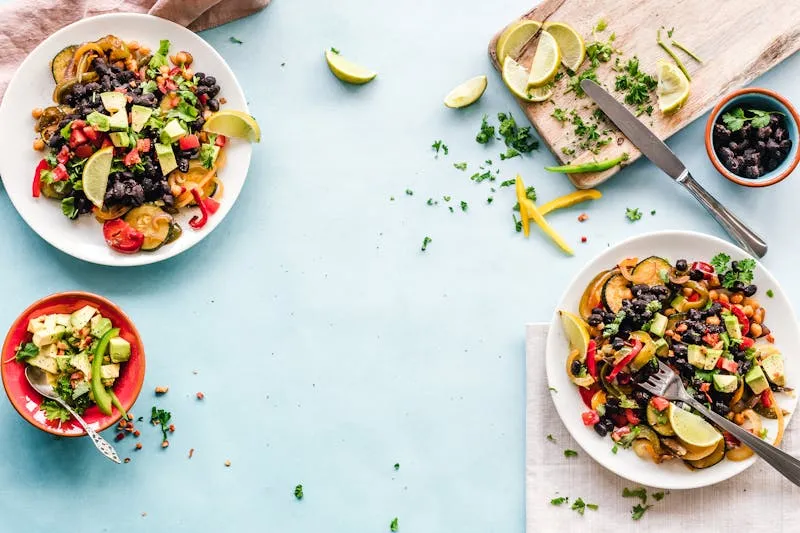
- Protein (25-30g): eggs, Greek yoghurt, fish, tofu. Protein stabilises blood sugar and triggers satiety.
- Fibre: vegetables, whole fruit (not juice). Fibre slows absorption and feeds the microbiome.
- Healthy fats: avocado, olive oil, nuts. Necessary for fat-soluble vitamin absorption.
- Complex carbohydrates (moderate): sweet potato, brown rice, sourdough bread. No fast sugars first.
What to absolutely avoid when breaking fast
- Fast sugars (pastries, fruit juices, sugary cereals) — they cause a brutal insulin spike
- Enormous "make-up" meals — your digestive system needs a gentle wake-up
- Coffee on an empty stomach without food — it stimulates gastric acid production on an empty stomach
IF and exercise: how to combine them
One of the most frequent questions from my patients. The answer isn't binary — it depends on the type of exercise and the time of day.

What works fasted
- Yoga, stretching, walking: Perfectly tolerated and even beneficial. Gentle fasted activity stimulates fat mobilisation without stressing the hormonal system.
- Light to moderate cardio: Brisk walking, gentle cycling, relaxed swimming. Acceptable if you're accustomed and well-hydrated.
What's better done in the eating window
- Strength training: Muscles need amino acids for repair. Train during the eating window and consume protein within 2 hours of the session.
- HIIT / intense exercise: Fasted HIIT can trigger an excessive cortisol response in women. Schedule these sessions after a meal.
Practical rule: If you must exercise in the morning during your fast, choose an activity you could sustain while holding a conversation. If you can no longer talk, the intensity is too high for fasted training.
The 7 most common mistakes
1. Starting too aggressively
Going from 3 meals + 2 snacks to 16/8 overnight. The body needs time to adapt. Start with 12/12, then 13/11, then 14/10 — increase by one hour per week.
2. Compensating with overeating
If you eat 3,000 calories during your 8-hour window, IF won't make you lose weight. Fasting doesn't suspend the laws of thermodynamics — a caloric excess remains a caloric excess.
3. Ignoring your body's signals
Shaking, dizziness, nausea, intense brain fog — these are not "signs it's working." They are distress signals. Eat.
4. Fasting 7 days out of 7 without breaks
The body adapts to fasting like any metabolic stress. Regular breaks (1-2 days per week without fasting) prevent adaptation and maintain benefits.
5. Drinking "hidden calories"
A milky tea, coffee with cream, broth with oil — all of these break the fast. During the fasting window: water, tea, or BLACK coffee. Full stop.
6. Neglecting hydration
When you don't eat, you also lose the water contained in food (roughly 20% of daily hydration). Compensate by drinking more during the fast — at least 2 litres.
7. Making it an identity
Fasting is a tool, not a religion. If it's not working for you — if it triggers food obsessions, disrupts your social life, or harms your wellbeing — stop without guilt. There are a thousand other science-backed nutritional approaches.

Absolute contraindications
IF is NOT for everyone. Here are the situations where it is formally inadvisable:
- Pregnancy and breastfeeding — energy needs are increased and time restriction can affect foetal development or milk production
- Eating disorders (anorexia, bulimia, binge eating) — fasting can reinforce obsessive patterns
- Type 1 diabetes — risk of severe hypoglycaemia
- Type 2 diabetes on insulin — only under close medical supervision
- History of hypothalamic amenorrhoea — fasting can reactivate the problem
- BMI below 18.5 — temporal caloric restriction can worsen underweight
- Medications requiring food intake — some medications must be taken with food
Non-negotiable rule: Before starting IF, talk to your GP — especially if you have hormonal, metabolic, or psychological issues. This isn't gatekeeping, it's basic health safety.
Sample plan: your first week
Here's a gentle starter plan designed for women who have never practised intermittent fasting.

Monday (12/12): Last meal at 8pm, first meal at 8am. You're probably doing this already without realising.
Tuesday: Normal day — eat as usual.
Wednesday (12/12): Same protocol as Monday. Observation: were you hungry? Dizzy? Tired? Note it down.
Thursday: Normal day.
Friday (13/11): Last meal at 8pm, first meal at 9am. One extra hour. If all is well, no symptoms.
Saturday-Sunday: Normal days. Enjoy Sunday brunch guilt-free.
Week 2: Move to 13/11 on your three fasting days (Monday, Wednesday, Friday).
Week 3: If no negative symptoms, try 14/10 on fasting days.
Week 4: Evaluate. Sleep, energy, mood, cycle — if everything is stable, you can maintain 14/10 three days a week or go daily.
The journal that changes everything: Keep a mini-journal for the first 4 weeks: meal times, hunger level (1-10), energy, mood, sleep quality. After a month, you'll have a precise map of your personal tolerance — infinitely more useful than any standardised protocol found online.
Frequently asked questions
Is intermittent fasting dangerous for women?
Not inherently — but it's more dose-sensitive than in men. Overly aggressive protocols (daily 16/8 from the start, OMAD) can disrupt the female hormonal axis. Moderate protocols (12-14h fasting, 3-5 days per week) are well tolerated by most healthy women. The key: gradual progression and listening to your body.
Can I drink coffee during the fast?
Yes, but BLACK — no sugar, no milk, no cream. Black coffee contains approximately 2-5 calories per cup, which doesn't break the fast. It even stimulates autophagy. However, a latte or sweetened coffee absolutely breaks the fast. Note: coffee on an empty stomach can cause heartburn in some people — if that's you, have it with your first meal.
Can IF help with PCOS?
Preliminary studies (still limited) suggest moderate IF could improve insulin sensitivity in women with polycystic ovary syndrome — one of PCOS's key mechanisms. However, PCOS is a complex condition and IF doesn't suit all forms. Consult an endocrinologist BEFORE starting, and never consider IF as a substitute for medical treatment.
Should I fast during menopause?
IF can be particularly beneficial during menopause and perimenopause, as insulin sensitivity decreases with falling oestrogen. A moderate 14/10 protocol can help maintain insulin sensitivity and prevent the abdominal weight gain typical of this period. But as always, start gently and monitor symptoms.
How much weight can you lose with IF?
Meta-analyses show an average loss of 3-8% of body weight over 3-12 months. For a 70kg woman, that's 2-5.6kg. It's comparable to traditional calorie-restricted diets — IF doesn't make you lose "more," it offers a different framework that suits some people better. If you're seeking more significant weight loss, IF alone won't suffice — comprehensive nutritional guidance is necessary.
Is IF compatible with the contraceptive pill?
Yes, in most cases. The pill provides synthetic hormones that maintain an artificial cycle — moderate IF doesn't disrupt this mechanism. However, take your pill with food if your leaflet recommends it. If your pill should be taken in the morning and you're fasting, adjust the timing so it coincides with your eating window.