
Léa texted me at 2am, at 36 weeks pregnant. Not a contraction — a panic attack. "Diana, I've read 14 hospital bag lists online and none of them agree. One says 6 bodysuits, another says 3. One says bring a hairdryer, another says they're banned. I feel like I'm packing for Mars."
I understand the anxiety. The hospital bag has become a performance topic — Instagram overflows with photos of perfectly organised bags with labelled pouches by day and colour-coordinated outfits. The reality? You'll spend 2-5 days in a healthcare facility with a newborn. You need comfort, practicality, and a few documents. That's it.
Here's my list — built over ten years of practice, refined with hundreds of patient feedbacks, and organised by logic of need rather than Pinterest category. I distinguish what's essential, what's recommended, and what's superfluous but nice.
When to pack your hospital bag — the right timing
The short answer: between 34 and 36 weeks. Not earlier (you'll end up repacking when you change your mind about outfits), not later (you risk being caught short — 7% of babies arrive before 37 weeks).
Ideal timeline:
- Weeks 30-32: make your list, start buying what's missing
- Week 34: pack the labour bag + mum's bag
- Weeks 35-36: add the baby bag + documents
- Week 37: check everything's ready, bags accessible (not buried at the back of a wardrobe under three boxes)

The labour bag

This bag comes with you to the delivery room. It should be compact and easily accessible.
ESSENTIAL:
- Facial water spray — labour makes you hot. A large Evian or Avène face mist (400ml) is the most used and appreciated item. Confirmed by 100% of my patients
- Lip balm — your mouth dries terribly during labour (mouth breathing). A hydrating balm
- Non-slip socks — hospital floors are tiled and cold. If you want to move during labour (and you should), warm socks with grip are essential
- Long nightdress or gown that buttons at the front — the hospital provides a gown, but you'll be more comfortable in your own. Front-opening = easy access for monitoring and immediate skin-to-skin
- Hair tie / headband — hair in your face during contractions is a definite no
- Phone charger with a LONG cable (2 metres minimum) — power sockets in delivery rooms are never where you need them
RECOMMENDED:
- Energy snacks — dried fruit, cereal bars, fruit pouches. Labour can last 12-24 hours. You'll need fuel. Check with your hospital if eating during labour is permitted (most now allow it)
- Water bottle with built-in straw — drinking while lying down or semi-reclined without choking. The straw changes everything
- Portable Bluetooth speaker — your birth playlist. Music reduces anxiety (Cochrane studies). Check your hospital allows it
- Massage oil — for back massage during contractions. Sweet almond oil, unscented (strong smells can trigger nausea)
- Nursing pillow — if the hospital doesn't provide one (call and ask beforehand)
The mum bag — postnatal stay

CLOTHING (for 3-5 days):
- 2-3 nightdresses or pyjamas that button at the front — again, front opening. For skin-to-skin, breastfeeding, examinations. Choose cotton (synthetics make you sweat) and dark colours (postpartum bleeding is normal in the first days)
- 1 dressing gown or warm cardigan — hospital corridors are cool, especially at night
- 2-3 nursing bras — even if you're not planning to breastfeed, a soft, comfortable bra is needed (milk comes in regardless). Size: go one cup size above your current size
- 5-7 disposable or black cotton knickers — the mesh pants provided by hospitals are functional but not pleasant. Disposable post-partum knickers are the right compromise between hygiene and comfort
- 1 going-home outfit — leggings or elastic-waist trousers + loose top. Your tummy will still look about 5-6 months pregnant — that's normal and temporary. Don't pack your skinny jeans
- Slippers or shower flip-flops — shared bathroom floors are not spas
TOILETRIES:
- Maternity pads — large, thick, designed for postpartum bleeding (lochia). Specialist brands: Natracare post-partum, Always Maxi Night. At least 2 packs of 10. Regular pads are NOT sufficient for the first days
- Gentle shower gel — fragrance-free, pH neutral. Your body will be sensitive
- Shampoo — travel size is fine
- Toothbrush + toothpaste
- Deodorant
- Breast pads — milk leaks often start when milk comes in (day 2-4). Disposable or washable
- Nipple cream — if breastfeeding. Pure lanolin (Lansinoh, Medela Purelan). Apply after every feed in the first weeks — prevention is more effective than treatment
- Healing cream — for caesarean scar or episiotomy. Cicaplast (La Roche-Posay) or similar
The baby bag — newborn essentials
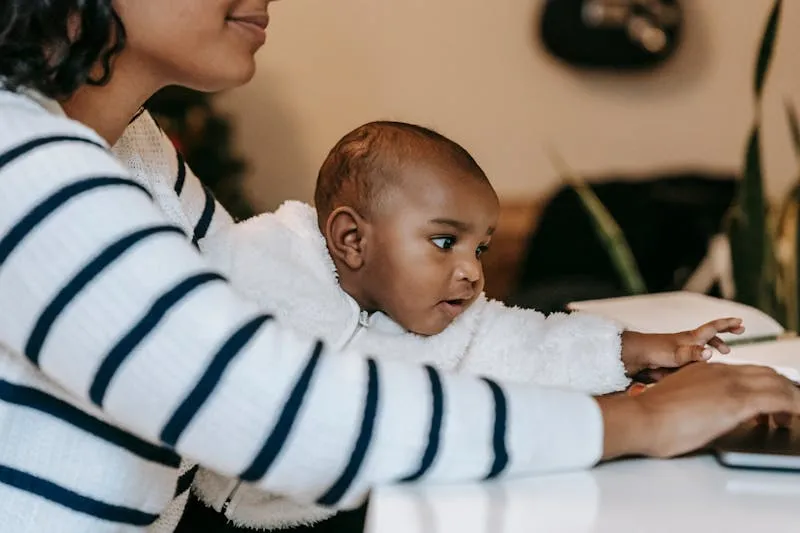
CLOTHING (for 3-5 days):
- 6-8 bodysuits — cotton, long sleeves (even in summer — hospitals are air-conditioned). Side-snap or full-snap opening (to avoid pulling over the head). Pack both "newborn" AND "0-1 month" sizes — you don't know how much your baby will weigh
- 6-8 sleepsuits — cotton or velour depending on season. Full front snaps (no back zips, no buttons — you'll change your baby 8-12 times a day). Same size logic: newborn + 0-1 month
- 2-3 cardigans — over the bodysuit if the room is cool
- 2-3 hats — newborns lose a lot of heat through their head. Essential for the first 48 hours
- 2-3 pairs of socks or booties
- 2 sleeping bags — for sleep. Size 0-3 months. Sleeping bags replace blankets (safe sleep recommendation)
- 1 going-home outfit — the "real" first outfit. Hat + bodysuit + sleepsuit + sleeping bag or snowsuit depending on season
CARE:
- Newborn nappies — if the hospital doesn't provide them (many do). Size 1 (2-5kg). About 10 nappies per day in the first days
- Water wipes or cotton wool + water — no scented wipes on a newborn. Cotton wool with warm water is the gentlest option
- Saline solution — for cleaning eyes and nose. Individual doses
- Thermometer — rectal or infrared forehead. Fever in a newborn (>38°C/100.4°F) is a medical emergency — you need to be able to check quickly
The paperwork — don't forget anything
ESSENTIAL:
- Photo ID (passport or driving licence)
- NHS number / insurance card
- Maternity notes — the big folder you've been carrying since your first appointment. Scans, blood results, consultation reports
- GBS (Group B Strep) test result — if applicable
- Blood group records
- Birth plan (if you have one) — two copies: one for the file, one for your attending midwife
- Marriage certificate or birth certificates for both parents (for birth registration)
RECOMMENDED:
- Hospital number saved in your phone + emergency numbers
- Community midwife contact details — for postnatal home visits
- Pre-registration paperwork — some hospitals offer this
The birth partner's bag — the forgotten essential
Your partner (or whoever accompanies you) will spend 6-24 hours in the delivery room, then visit daily. And nobody thinks about their bag.
ESSENTIAL:
- Snacks and drinks — the hospital vending machine at 3am with its cling-wrapped sandwiches isn't a plan A. Sandwiches, fruit, bars, thermos of coffee. Labour makes everyone hungry
- Change of clothes — a fresh t-shirt, socks. If labour lasts 18 hours, your partner will appreciate being able to freshen up
- Phone charger — they'll be taking photos, sending messages, reassuring family. Their phone will die otherwise
- Cash / bank card — for parking, vending machines, cafeteria
RECOMMENDED:
- Pillow — the companion chair in the delivery room is rarely comfortable
- Book / e-reader — there will be waiting moments, especially in early labour
- Contact list — who to notify when baby arrives, in what order
The 8 most common mistakes
1. Overpacking. A hospital bag isn't a holiday suitcase. You don't need 15 baby outfits — you'll use 6-8, hand-washed if necessary. You don't need 3 makeup bags — a mascara and lip balm are enough for the birth photo.
2. Not packing 0-1 month sizes. If your baby weighs over 3.5kg (50% of babies), newborn size will be too small from day one. Always pack bodysuits and sleepsuits in 0-1 month as backup.
3. Forgetting maternity pads. Postpartum bleeding (lochia) is heavy in the first days — much heavier than a normal period. Standard pads won't cut it. Invest in specific post-partum pads.
4. Packing pre-pregnancy clothes. Your tummy won't return to its pre-pregnancy size in 3 days. Pack maternity clothes or loose-fitting options. Your body has accomplished something extraordinary — give it time.
5. Forgetting the car seat. Without an approved car seat, the hospital won't let you leave with your baby by car. Install it BEFORE delivery — the discharge day with a screaming newborn in your arms is not the time to learn how Isofix works.
6. Not washing baby clothes. All new clothes contain chemical residues (dyes, finishes, preservatives). Wash everything at 30°C with a hypoallergenic detergent BEFORE packing.
8. Not briefing your birth partner. Your partner needs to know where the bags are, what's in them, and what to bring when. A 5-minute briefing before your due date prevents the "WHERE ARE THE BODYSUITS?!" panic at 4am.
Frequently Asked Questions About the Hospital Bag
Should I bring my own nappies to the hospital?
It depends on your hospital — most provide nappies during your stay (included in the maternity package), but some don't. Call the hospital reception and ask explicitly. If they don't provide them, pack a pack of size 1 (2-5kg), about 30-40 nappies for a 3-5 day stay.
Hard-shell or soft bag?
Soft, always. A soft travel bag (cabin-bag size) or large weekend bag slides under the bed or into a hospital cupboard. A hard-shell wheeled suitcase doesn't fit everywhere, makes noise in corridors at night, and takes up too much space in often cramped rooms. Ideal: one main bag + one small labour bag.
Can I bring my own pillow?
Yes, and it's actually recommended! Hospital pillows are often thin and covered in plastic (hygiene standard). Your own pillow — with its familiar smell — contributes to comfort and a sense of security. It's a small detail, but it makes a real difference when you're trying to sleep in an unfamiliar environment with a baby demanding attention every 2 hours.
Should I bring food for myself?
The hospital provides meals (breakfast, lunch, dinner, sometimes a snack). But hospital food isn't always generous or appetising. Packing snacks is strongly recommended: dried fruit, cereal bars, biscuits, chocolate, fruit pouches. Especially for late nights when hunger strikes at 2am and the hospital kitchen is closed. If you're breastfeeding, your caloric needs increase by about 500 kcal/day — you will be hungry.
How far before my due date should the bag be ready?
Your bag should be ready by 36 weeks — about a month before your due date (40 weeks). This covers the possibility of a late preterm birth (5% of births happen between 34 and 37 weeks) and frees your mind for the final weeks. Place it near the front door or in the car boot from 37 weeks onwards.