In this article
- Chronic inflammation: what your body isn't telling you
- The 10 most powerful anti-inflammatory foods
- Pro-inflammatory foods to limit
- The omega-3/omega-6 ratio: the forgotten key
- Anti-inflammatory spices: far more than flavour
- The Mediterranean diet: the gold-standard model
- A sample anti-inflammatory day
- Common mistakes to avoid
- Frequently asked questions
Nadia came to see me for the first time on a Monday in November. Forty-two years old, a sales manager in the food industry, two children, a mental load that exceeded all reasonable limits. Her list of symptoms filled an entire page: permanent exhaustion despite 8 hours of sleep, diffuse joint pain every morning, chronic bloating after every meal, dull skin that no longer responded to anything, and what she described as a "brain fog" that prevented her from concentrating past 2pm.
Her GP had run the full gamut of tests. Thyroid normal. Blood sugar normal. Liver function normal. Nothing abnormal on paper. But Nadia felt like she was ageing at an abnormal rate — and she was right to be concerned. What her standard blood work wasn't showing was that her body was in a state of low-grade chronic inflammation: that silent, invisible inflammation that routine tests don't pick up, but which — according to the BMJ — is now implicated in the genesis of virtually every modern chronic disease.
I asked her a simple question: "Describe what you eat on a normal weekday." The answer resembled that of 70% of my patients: coffee as breakfast, a pre-packaged sandwich from the supermarket around 1pm, industrial biscuits at 4pm to "keep going," and a microwaved ready meal around 9:30pm because the children had already eaten and she had no energy left to cook for herself alone.
Nadia's diet wasn't the sole cause of her inflammation. But it was its daily fuel.
Chronic inflammation: what your body isn't telling you
Acute inflammation — the kind that makes a cut go red or a sprain swell — is a vital defence mechanism. Your immune system dispatches cells to fight the threat, repair tissue, and eliminate pathogens. It's a normal, time-limited process that's essential for survival.
Chronic inflammation is something else entirely. It's the same mechanism, but one that never switches off. The immune system stays on permanent alert — like a fire alarm blaring continuously, even when there's no fire. And that inflammatory background noise, sustained for months and years, gradually damages healthy tissue.
What the research says
The BMJ describes chronic inflammation as a "silent killer." The evidence is unequivocal:
- Cardiovascular disease: chronic inflammation damages artery walls and promotes atherosclerotic plaque formation — one of the world's leading causes of death
- Type 2 diabetes: inflammation interferes with insulin receptors and contributes to insulin resistance
- Neurodegenerative diseases: chronic brain inflammation (neuroinflammation) is now considered a contributing factor in the development of Alzheimer's and Parkinson's
- Cancer: the WHO estimates that 15-25% of cancers are directly linked to underlying chronic inflammation
- Depression: recent studies show a bidirectional link between systemic inflammation and depression — inflammation can cause depression, and depression can sustain inflammation
The markers to watch: High-sensitivity CRP (hs-CRP) is the most accessible blood marker for chronic inflammation. A level below 1 mg/L is considered low inflammatory risk. Between 1 and 3 mg/L: moderate risk. Above 3 mg/L (outside an acute infection): likely chronic inflammation. Ask your GP for this test at your next check-up — it's rarely prescribed routinely but provides valuable information.
The 10 most powerful anti-inflammatory foods
These foods have been identified through scientific research as having significant, measurable anti-inflammatory properties. They're not marketing "superfoods" — they're ordinary foods whose efficacy is documented in clinical studies.
1. Oily fish (salmon, sardines, mackerel)
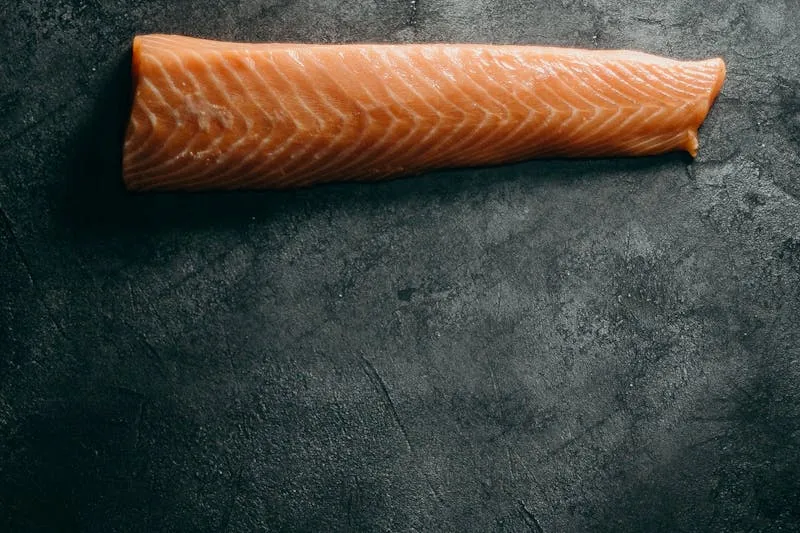
Rich in omega-3 fatty acids (EPA and DHA), oily fish are probably the best-documented anti-inflammatory food. Omega-3s reduce the production of pro-inflammatory cytokines and eicosanoids — molecules that amplify the inflammatory response. The NHS recommends at least 2 portions of fish per week, one of which should be oily.
2. Berries (blueberries, raspberries, strawberries)
Anthocyanins — the pigments that give berries their colour — are powerful anti-inflammatory antioxidants. A study published in the Journal of Nutrition (2019) showed that daily consumption of 150g of blueberries for 6 months significantly reduced vascular inflammatory markers in overweight adults.
3. Dark leafy greens (spinach, kale, broccoli)
Rich in vitamin K, folate, and sulphur compounds (in cruciferous vegetables), these vegetables activate cellular anti-inflammatory pathways. Broccoli contains sulforaphane, a compound that blocks the activation of NF-κB — the body's main pro-inflammatory transcription factor.
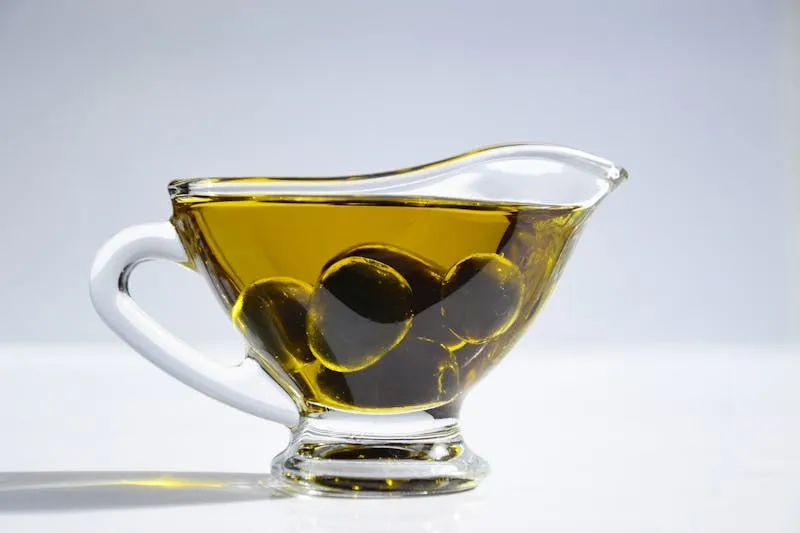
4. Extra-virgin olive oil
Oleocanthal — the compound that gives good olive oil its peppery throat catch — has an anti-inflammatory mechanism comparable to ibuprofen. This isn't a metaphor: a study in Nature (2005) demonstrated that oleocanthal inhibits the same COX enzymes as ibuprofen. Choose cold-pressed extra-virgin — refined oils have lost virtually all their polyphenols.
5. Walnuts and almonds
Sources of plant omega-3s (ALA), vitamin E, and polyphenols. A daily handful (30g) is associated with reduced CRP and interleukin-6 in multiple observational studies. Walnuts are the richest in omega-3s among all tree nuts.
6. Tomatoes
Lycopene — the red pigment in tomatoes — is a potent antioxidant whose bioavailability increases with cooking. Homemade tomato sauce is therefore more anti-inflammatory than raw tomato. Add olive oil to maximise lycopene absorption (it's fat-soluble).
7. Pulses (lentils, chickpeas, beans)
Rich in fibre, plant protein, and polyphenols, pulses feed the gut microbiome — whose role in regulating inflammation is now well established. Research shows that a diverse, fibre-fed microbiome produces short-chain fatty acids (particularly butyrate) that have direct anti-inflammatory effects on the intestinal lining.
8. Garlic and onions
The organosulphur compounds in garlic (allicin) and onions (quercetin) have documented anti-inflammatory and immunomodulatory properties. Raw garlic is more potent than cooked — allicin breaks down with heat. Tip: crush garlic 10 minutes before cooking to allow alliinase (the enzyme that produces allicin) to do its work.
9. Green tea
Green tea catechins — particularly EGCG (epigallocatechin gallate) — are among the best-studied anti-inflammatory polyphenols. 2-3 cups daily provide meaningful amounts of EGCG. Brew at 70-80°C (not boiling — overheating destroys some catechins and makes the tea bitter).
10. Dark chocolate (70% cocoa minimum)
Cocoa flavanols have anti-inflammatory and vasodilatory properties. Important: only chocolate with 70%+ cocoa contains meaningful amounts of flavanols. Milk and white chocolate have no benefit in this regard. 20-30g per day (2-3 squares), no more — beyond that, the sugar and calorie content cancels out the benefits.
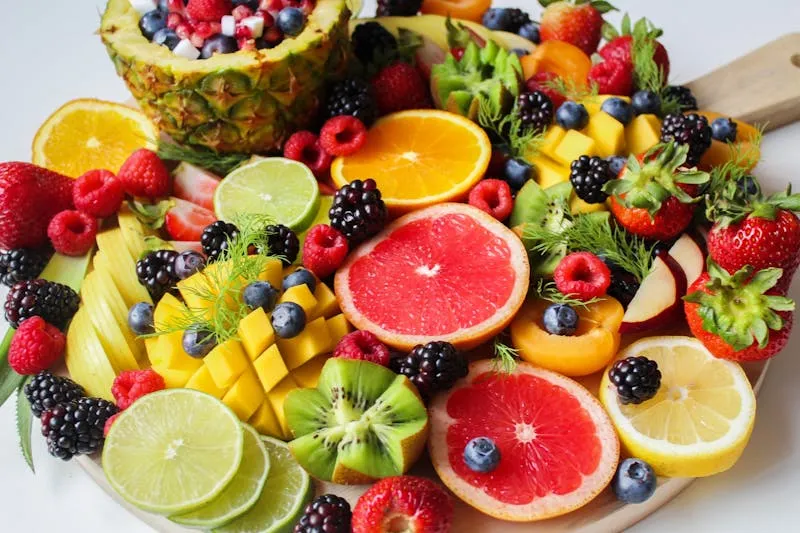
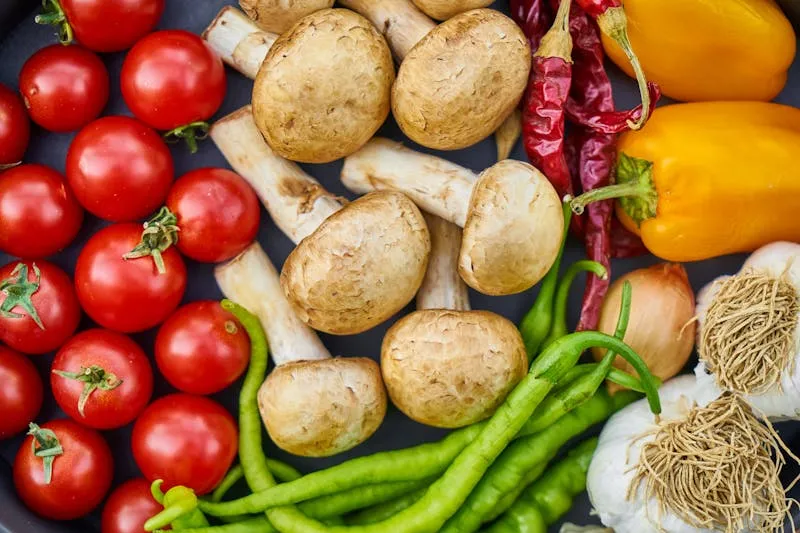
The colour rule: The more naturally colourful your plate — red, orange, dark green, purple, yellow — the more different anti-inflammatory compounds it contains. Plant pigments (anthocyanins, carotenoids, chlorophyll, flavonoids) directly correlate with food colours. "Eat the rainbow" isn't a marketing slogan — it's evidence-based nutritional advice.
Pro-inflammatory foods to limit
It's not enough to add anti-inflammatory foods to your diet. You also need to reduce the foods that actively fuel inflammation. One without the other doesn't work — it's like trying to fill a bathtub without putting the plug in.
Added sugars and refined carbohydrates
White bread, white pasta, pastries, breakfast cereals, sugary drinks. These foods cause blood sugar spikes that activate inflammatory pathways through the production of advanced glycation end-products (AGEs). The NHS recommends no more than 30g of free sugars per day — a single can of fizzy drink contains around 35g.
Trans fats
Found in partially hydrogenated oils (industrial margarines, factory pastries, some biscuits). Trans fats increase CRP, interleukin-6, and TNF-alpha — the three main markers of systemic inflammation. Read labels: "partially hydrogenated oil" = trans fats = avoid.
Ultra-processed foods (NOVA Group 4)
Ready meals, processed meats, packaged snacks, ready-made sauces. Beyond their often poor nutritional profile, additives (emulsifiers, thickeners, colourants) disrupt the gut microbiome and increase intestinal permeability — a mechanism directly implicated in chronic inflammation. The BMJ published data in 2022 showing a dose-dependent correlation between ultra-processed food consumption and inflammatory markers.
Excess alcohol
Beyond 14 units per week (and ideally less), alcohol increases intestinal permeability and the production of pro-inflammatory cytokines. The "French paradox" of red wine and its polyphenols doesn't hold up to recent scientific scrutiny — the pro-inflammatory effects of ethanol overwhelm the polyphenol benefits beyond moderate consumption.
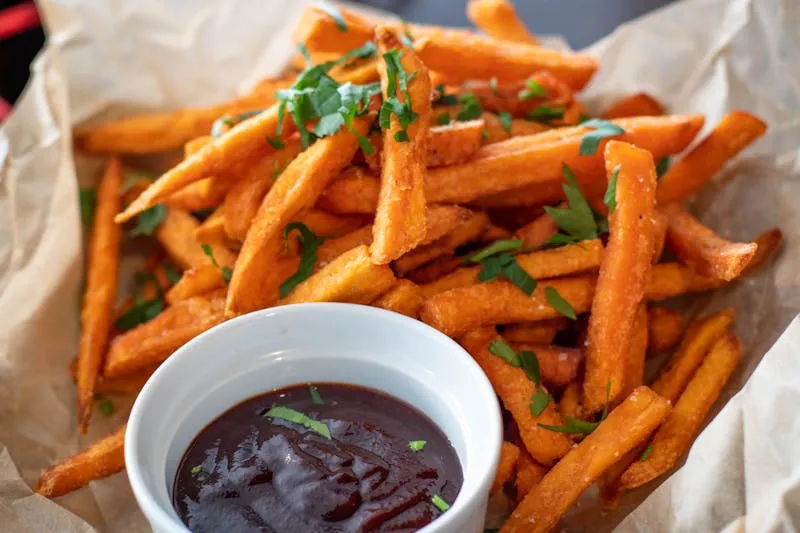
Reduce, don't eliminate. The goal isn't orthorexia — that obsession with "perfect eating" that itself becomes a source of stress (and stress is pro-inflammatory, ironically). The objective is to tip the balance of your diet towards more anti-inflammatory and less pro-inflammatory. An occasional factory-made cake doesn't undo an otherwise balanced diet. It's the frequency that counts, not the exception.
The omega-3/omega-6 ratio: the forgotten key
Omega-3 and omega-6 are both essential fatty acids — your body can't make them, so it must get them from food. The problem isn't one or the other, but their ratio.
The modern imbalance
Our hunter-gatherer ancestors consumed an omega-6/omega-3 ratio of roughly 1:1 to 4:1. The modern Western diet is estimated at 15:1 to 20:1. This massive imbalance in favour of omega-6 (pro-inflammatory in excess) is considered by many researchers as one of the primary drivers of the chronic inflammation epidemic.
The main culprits
Vegetable oils rich in omega-6: sunflower, corn, soya, grapeseed. They're not "bad" per se, but their omnipresence in processed food creates a massive excess. A single ready meal can contain 10-20 times more omega-6 than omega-3.
How to rebalance
- Replace sunflower oil with olive oil for everyday cooking
- Add omega-3 sources: oily fish 2x/week, 1 tablespoon of ground flaxseed daily, walnuts as snacks
- Rapeseed oil (omega-6/omega-3 ratio of 2:1) for salad dressings — it's the best-ratio oil available in supermarkets
- Omega-3 enriched eggs (from hens fed on flaxseed) — 4-6 times more omega-3 than standard eggs
Anti-inflammatory spices: far more than flavour
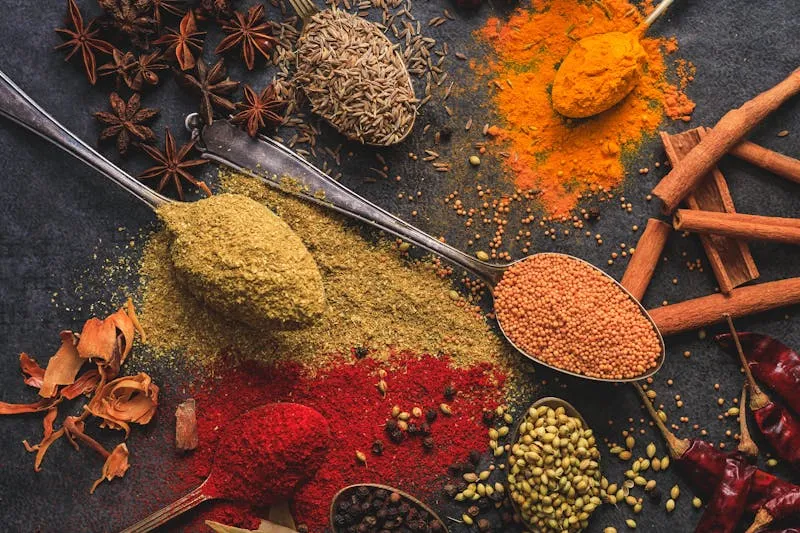
Spices are the world's oldest dietary supplements — and the most underestimated in modern medicine. Some concentrate anti-inflammatory molecules at clinically meaningful doses.
Turmeric (curcumin)
Curcumin is one of the most studied natural anti-inflammatory compounds: over 3,000 scientific publications are dedicated to it. It inhibits NF-κB, reduces CRP, and modulates cytokine production. But — and this is crucial — curcumin alone is very poorly absorbed. To maximise bioavailability:
- Pair it with black pepper (piperine increases absorption by 2,000%)
- Consume it with fat (it's fat-soluble)
- Heat also increases bioavailability — use it in cooking
Ginger (gingerol)
Gingerol is structurally related to capsaicin (chilli) and has documented anti-inflammatory effects on joint pain and digestive disorders. 2-4g of fresh ginger per day (a 2cm slice) is the dose used in clinical studies.
Cinnamon (cinnamaldehyde)
Anti-inflammatory and blood-sugar-regulating properties. Choose Ceylon cinnamon ("true cinnamon") over cassia cinnamon, which contains higher levels of coumarin — a compound that's potentially liver-toxic at high doses. 1 teaspoon daily is a safe and effective amount.
Golden milk: 200ml of milk (or plant milk) + 1 teaspoon turmeric + a pinch of black pepper + 1 teaspoon honey + a pinch of cinnamon. Heat gently without boiling. It's an ancestral anti-inflammatory drink from the Ayurvedic tradition, perfect in the evening before bed. The fat in the milk + the black pepper + the warmth = the optimal absorption trio for curcumin.
The Mediterranean diet: the gold-standard model
If you had to summarise anti-inflammatory eating in a single model, it would be the Mediterranean diet. It's the most scientifically studied dietary pattern — with over 30,000 publications — and the one showing the most consistent results for reducing inflammation and preventing chronic disease.
The core principles
- Daily basis: vegetables, fruits, wholegrains, pulses, olive oil, herbs and spices
- Several times a week: fish, seafood, poultry, eggs, cheese, yoghurt
- Occasionally: red meat, sweets
- Drinks: primarily water, tea, coffee in moderation. Red wine in moderate amounts (optional — recent evidence no longer justifies recommending alcohol)
The PREDIMED study: proof in the data
The PREDIMED study (2013-2018), conducted with 7,447 participants over 5 years, demonstrated that a Mediterranean diet supplemented with extra-virgin olive oil or nuts reduced the risk of a major cardiovascular event by 30% compared to a low-fat diet. It's one of the strongest pieces of evidence ever produced in nutrition science.
A sample anti-inflammatory day
Here's what an anti-inflammatory day of eating actually looks like in practice. This isn't a restrictive diet — it's abundant, varied, and genuinely delicious.
Breakfast
Porridge oats (rich in beta-glucans, which modulate the immune system) + fresh blueberries + 1 tablespoon chia seeds + a drizzle of honey + cinnamon. Green tea or coffee.
Lunch
Composed salad: quinoa + grilled salmon + fresh spinach + cherry tomatoes + diced avocado + walnuts + olive oil-lemon dressing. Fruit for dessert.
Snack
30g mixed nuts (almonds, walnuts, hazelnuts) + 2 squares of 70% dark chocolate. Or a natural yoghurt with raspberries.
Dinner
Red lentil dhal with turmeric and ginger + wholegrain basmati rice + steamed broccoli dressed with garlic and olive oil. Golden milk in the evening.
The quick maths: This sample day provides roughly 1,800-2,000 kcal, 65-70g of protein, 30+ g of fibre, and an estimated omega-6/omega-3 ratio of 3:1 — close to the ideal. And at no point did it feel like "being on a diet." That's the principle: anti-inflammatory eating isn't deprivation — it's a reorientation towards foods that are naturally delicious.
Common mistakes to avoid
Mistake #1: Compensating with supplements
Taking omega-3 capsules or curcumin tablets while maintaining a pro-inflammatory diet doesn't work. Supplements don't "cancel out" the effects of poor eating. They can complement an already good diet — but never replace one. The NHS is clear that "supplements should not be used as a substitute for a varied, balanced diet."
Mistake #2: Eliminating an entire food group
Cutting out gluten "because it's inflammatory" without a coeliac diagnosis or confirmed gluten sensitivity is pointless — and potentially counterproductive (gluten-containing wholegrains provide valuable fibre and nutrients). The same goes for dairy: it's not inherently inflammatory for people who tolerate it well. Be wary of trends that demonise a single food.
Mistake #3: Forgetting the other pillars
Diet is ONE pillar of the anti-inflammatory fight. The others are equally important: sleep (sleep deprivation increases CRP by 40-60%), regular physical activity (a powerful anti-inflammatory), stress management (chronic cortisol is pro-inflammatory), and gut health (natural probiotics, prebiotics). Working on one pillar while ignoring the rest gives limited results.
Mistake #4: Expecting immediate results
Chronic inflammation takes years to develop. It doesn't vanish in a week of green smoothies. Studies showing significant results on inflammatory markers work over periods of 3-6 months minimum. This is a long-term habit change — not a "21-day challenge."
A necessary reminder: Anti-inflammatory eating is a prevention tool, not a medical treatment. If you have a diagnosed inflammatory condition (rheumatoid arthritis, Crohn's disease, lupus, etc.), your medical treatment remains the priority. Diet sits ALONGSIDE, never INSTEAD OF medical care. Any significant dietary changes deserve a conversation with your GP or a registered dietitian.
Frequently asked questions
How quickly will I see the effects of anti-inflammatory eating?
The first subjective effects (better energy, less bloating, brighter skin) typically appear in 2-4 weeks. Blood markers (CRP, interleukin-6) begin to drop after 6-12 weeks of sustained dietary changes. Benefits for chronic disease risk are measured over years. This is a long-term investment — not a short-term miracle fix.
Is gluten actually inflammatory?
For people with coeliac disease (1% of the population) or non-coeliac gluten sensitivity (estimated at 6-7%), yes, gluten triggers an intestinal inflammatory response. For the remaining 92-93%, gluten is not inherently inflammatory. What is often inflammatory is what accompanies gluten in ultra-processed food: refined flour, added sugars, additives. An artisan wholegrain sourdough loaf has nothing in common, inflammation-wise, with an industrial sliced white loaf.
Are dairy products pro-inflammatory?
The scientific evidence is nuanced. Fermented dairy (natural yoghurt, kefir) is actually somewhat anti-inflammatory thanks to its probiotics. Whole milk is neutral for the majority of lactose-tolerant adults. What's potentially pro-inflammatory are ultra-processed dairy products (industrial cheeses, sweetened dairy desserts). If you tolerate dairy well, there's no reason to cut it out — but prioritise fermented and unprocessed forms.
Should I take omega-3 supplements?
If you eat 2 portions of oily fish per week and use rapeseed oil for dressings, you probably don't need supplements. If your fish intake is low (less than once a week), a supplement of 500-1,000mg EPA+DHA daily may be worthwhile — discuss it with your GP. For vegans, algae-based supplements are the best source of DHA and EPA without fish.
Is intermittent fasting anti-inflammatory?
Preliminary studies (notably in Cell Metabolism, 2019) suggest that intermittent fasting (16:8 or 5:2) may reduce certain inflammatory markers. However, the evidence is still insufficient for a general recommendation. What is certain: if intermittent fasting leads you to eat fewer ultra-processed foods and choose your meals more carefully, the anti-inflammatory effect will be real — but attributable to improved food quality as much as to the fasting itself.
Is coffee inflammatory or anti-inflammatory?
Coffee is rich in polyphenols and chlorogenic acid, which have documented anti-inflammatory properties. Consumed in moderation (3-4 cups daily maximum), coffee is broadly anti-inflammatory. Beyond that, caffeine can disrupt sleep, and sleep deprivation is strongly pro-inflammatory — which cancels out the benefits. Without sugar and without artificial creamer, coffee is an ally. With 3 sugars and UHT cream, much less so.
Is anti-inflammatory eating suitable for children?
Absolutely. The core principles — more vegetables, fruits, oily fish, wholegrains, fewer ultra-processed foods and added sugars — are exactly what the NHS recommends for children. This isn't a "diet" to impose but a family-wide dietary orientation. Adapt portions and textures for age, and never demonise any food in front of children — that's the fastest route to disordered eating behaviours.