
The last Prada show I watched live featured a bubblegum-pink vinyl skirt worn with tennis socks and 8cm platform loafers. Stunning on the runway. Absolutely unwearable at the office, on the Tube or popping to the post office. And yet, six months later, bubblegum pink was EVERYWHERE — at Zara, at Mango, at H&M, even in the windows of high-street shops that were closing down.
That's the paradox of runway trends: the pieces you see on the catwalk are rarely wearable as-is, but the ideas behind those pieces — a colour, a silhouette, a fabric, a mood — end up infusing the entire high street. The trick is learning to read between the looks and extract what works in real life, without ending up in fancy dress.
Here are 10 recurring runway trends, decoded with their wearable versions, the accessible pieces that embody them, and the combinations that genuinely work — for the office, the weekend and evenings out.
How to read a runway trend
Before diving into specific trends, you need to understand how the runway-to-street translation works. It's not a copy — it's an interpretation.
On the catwalk, every look is pushed to the extreme. That's deliberate: the designer wants to communicate a pure, undiluted idea. If the trend is "bright colours," the model wears head-to-toe fuchsia. If it's "volume," the dress is three metres wide. It's the "maximum dose" version of the concept.

To adapt, you dial it down. The principle is simple: one bold idea per outfit. If you're wearing the bright colour, the rest is neutral. If you're wearing the volume, the bottom is fitted. If you're doing sheer, it's on one zone, not all over. That's the universal rule that separates "trend well integrated" from "costume."
The 80/20 method: 80% of your outfit in familiar basics, 20% in the trend of the moment. Straight jeans + white t-shirt + ONE on-trend oversized leather jacket = trend integrated. Head-to-toe leather = The Matrix. Subtlety is all about dosage.
Saturated colours: going bold without the head-to-toe look
The runways love saturated colours — fuchsia, cobalt, emerald green, tangerine orange, lemon yellow. Every season brings its crop of colours that "pop." And every season, thousands of women impulse-buy fuchsia trousers then never wear them because they've no idea what to pair them with.
The realistic translation:
Option 1 — The top half: a jumper, blouse or blazer in the bold colour, worn with raw denim or black trousers. It's the easiest, safest formula. A cobalt blazer + straight jeans + white trainers = impeccable weekend outfit.
Option 2 — The colourful accessory: a bag, scarf or shoes in the trending colour. Everything else neutral. It's the timidest version — perfect if you're unsure about colour.
Option 3 — The toned-down monochrome: instead of full-throttle fuchsia, take the pastel or powdery version. Dusty pink is fuchsia for the cautious. Sky blue is cobalt for the careful. Same colour family, reduced intensity.
The total-look trap: red trousers + red jumper + red coat doesn't read as "fashion" — it reads as Father Christmas (or a firefighter, depending on the shade). Head-to-toe monochrome ONLY works in muted or neutral tones (all beige, all black, all grey). In bright colour, one piece is plenty.
Maxi volumes: from sculptural dress to oversized shirt
XXL volumes are a runway staple — crinoline skirts, cocoon coats, architectural shoulders. On the catwalk, they create spectacular silhouettes. In real life, they create the impression you've borrowed someone else's clothes.
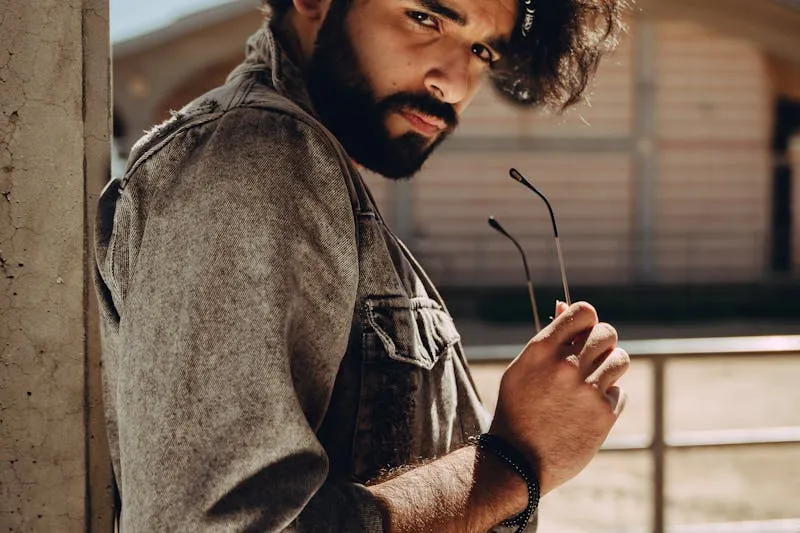
The balance rule: volume on top = fitted below, and vice versa. Oversized blazer + slim jeans = balance. Flowing palazzo trousers + fitted bodysuit = balance. Loose top + wide trousers + chunky shoes = shapeless mess. It's proportion physics.
Concrete translation: the boyfriend shirt (two sizes up, half-tucked into slim jeans), the oversized trench (worn open like an urban cape), the pleated midi skirt (natural volume but structured by the pleats). These are everyday-wearable volumes — not sculptures, but comfortable clothes that capture movement.
The belt trick: a belt worn over an oversized coat, an XXL cardigan or a baggy shirt instantly transforms "too big" into "oversized chic." The belt creates a waist point that structures the silhouette — it's the difference between "I chose this volume" and "I'm wearing my ex's clothes."
Sheer fabrics: from fashion scandal to subtle layering
Sheer fabrics return to the runway every 3–4 years, and every time, the headlines scream "Designers want us all naked!" Except they don't. Runway transparency is a game of layers and suggestion, not nudity.
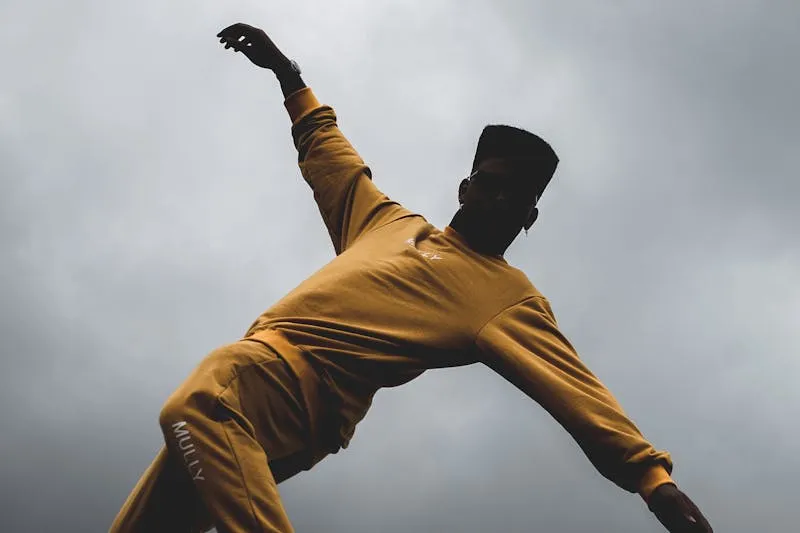
Concrete translation:
The organza or mesh top: worn over a well-chosen vest top or bralette. The visible underwear isn't an accident — it's a styling piece in its own right. A black mesh top over a black bralette is understated and sophisticated.
The sheer skirt: worn with a slip dress underneath, or shorts plus tall boots. It's the Phoebe Philo-era Céline look: transparent but not exhibitionist.
The sheer blouse: in lightweight silk or chiffon, worn with a camisole or bodysuit underneath. It's the office-compatible version of the trend — you see the texture, not the body.
Trap: sheer with nothing underneath. What works on a runway (a completely transparent top with nothing beneath) doesn't work at the office, on public transport or in 99% of real situations. Stylish sheer is the layering game — what you CHOOSE to show through the fabric, not what shows by default.
Leather everywhere: beyond the biker jacket
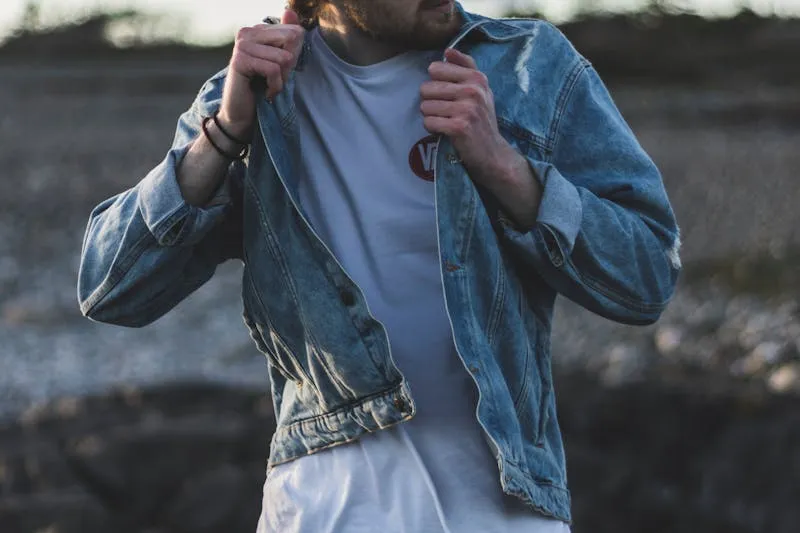
Leather (or faux leather, let's be honest — genuine leather at £1,200 a pair of trousers isn't everyone's budget) is a runway classic that regularly surges back — trousers, skirts, dresses, shirts, even leather bermuda shorts.
Concrete translation: high-waisted faux leather trousers (Zara does excellent ones for £25–35) worn with a cashmere jumper or cotton shirt — the fabric contrast is what makes the look interesting. A midi leather skirt with a turtleneck jumper and flat boots — effortless chic. A leather overshirt (the "shacket") worn open over a t-shirt — cool urban version.
Avoid: head-to-toe leather (trousers + jacket + boots). Unless you're in a sci-fi film. The rule: one leather piece per outfit, the rest in natural fabrics (cotton, wool, linen) to create contrast.
The return of the defined waist
After years of oversized and relaxed silhouettes, the runways are bringing back the defined waist — not the corseted wasp waist of Dior 1947, but a clear definition of the waist within the silhouette.
Concrete translation: wrap dresses (which naturally define the waist), tailored blazers (not tight — tailored), high-waisted skirts paired with a tucked-in top. The comeback of the belt as a structural accessory: worn over a coat, over an oversized jumper, over a straight dress.
This trend is fairly easy to adopt because it's universally flattering. Defining the waist creates an hourglass silhouette that works on all body types — not because hourglass is "better," but because it's a shape our brain reads as structured and harmonious.
Sportswear that takes itself seriously
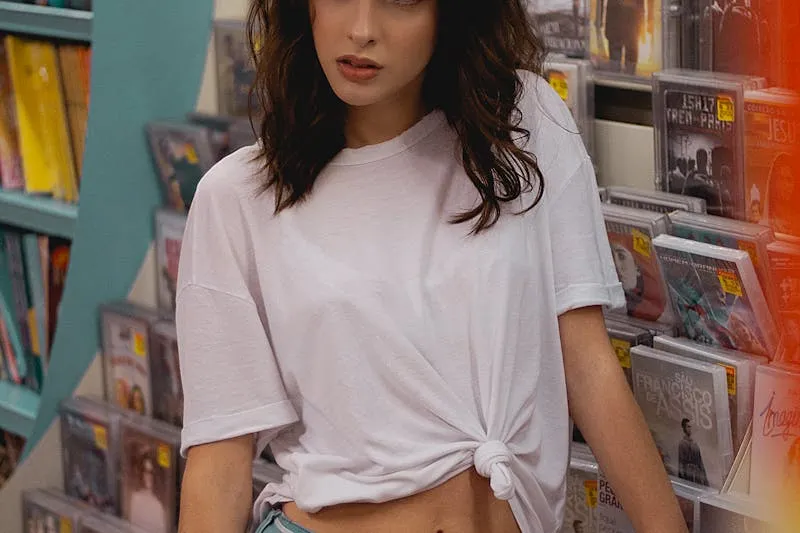
The blend of sportswear and tailored pieces is a trend that refuses to die — because it's comfortable and it works. Runways show trainers with evening dresses, hoodies under cashmere coats, joggers in satin.
Concrete translation: joggers + structured blazer + ankle boots = the easiest sport-chic mix in the world. White trainers (Veja, Adidas Stan Smith) with a trouser suit = Friday at the office. A cashmere hoodie (COS, Uniqlo) under a classic coat = the upgraded version of "popping out for bread."
The rule: one sportswear piece per outfit, the rest tailored. Or the reverse: one tailored piece in a sportswear outfit. The contrast is key — the coexistence of registers creates the style tension.
The common mistake: mixing TOO many sportswear codes. Joggers + hoodie + trainers + cap isn't sport-chic — it's just sport. Remove one sportswear piece and replace it with a tailored equivalent, and you go from "heading to the match" to "actually has style."
Metallic and iridescent: shine without bling
Metallic fabrics — silver, gold, bronze, holographic — are regulars on evening runways. But they often feel intimidating in daily life: "I'll look like a disco ball."
Concrete translation: a metallic pleated skirt (Zara, & Other Stories) with a wool jumper — the matte/shine contrast is what makes the look wearable. Metallic ankle boots or loafers with jeans and a jumper — a touch of light without excess. A metallic bag as a "jewel" accent in a neutral outfit.
For evening, metallic can dial up: a vintage lurex top + black trousers + black heels = chic evening without trying too hard. However, a fully sequinned dress is reserved for New Year's Eve — and even then, with restrained accessories.
Intentional layering: stacking like a pro
Layering has evolved from a practical technique ("I'm cold, I'll put a jumper on") to a style technique. Runways show shirts under jumpers, dresses over trousers, jackets under coats.
Concrete translation: a white shirt collar peeking out from a crew-neck jumper — the timeless classic. A white t-shirt under a blazer, the t-shirt sleeves slightly visible — relaxed but intentional. A knit gilet over a midi dress — the stylish version of "I'm cold at the office."
Layering works when you can see the layers. If everything's hidden, it's just clothes piled on. If a collar peeks out, if a sleeve shows, if a shirt hem is visible below a jumper, it's styling. Visible construction is what takes layering from functional to intentional.
Statement accessories: one piece is enough
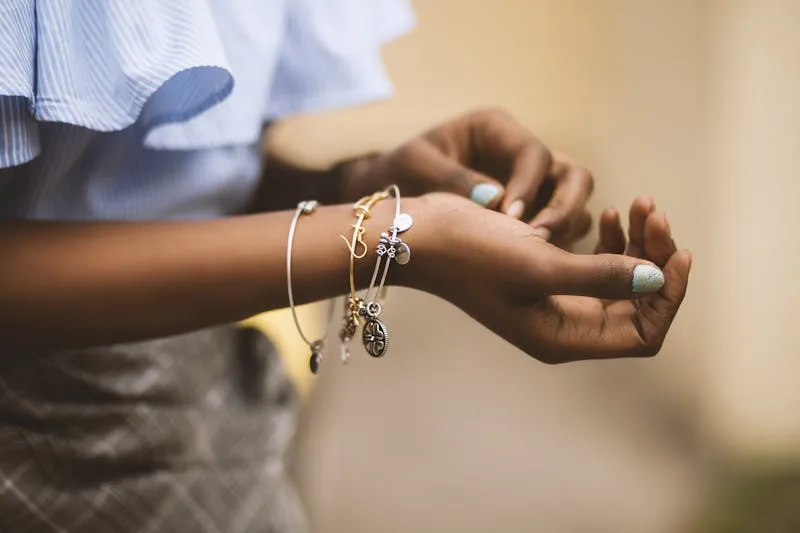
Runways love spectacular accessories — chandelier earrings, sculptural bags, oversized sunglasses, XL-buckle belts. The translation is the easiest of all: one statement piece, everything else minimal.
A white t-shirt + straight jeans + bold gold earrings = complete outfit. A black dress + a brightly coloured bag = instant chic. A neutral blazer + a vintage brooch = personality added in 3 seconds.
The golden rule of statement accessories: one at a time. Big earrings = no necklace. Large colourful bag = subtle jewellery. Oversized sunglasses = small earrings. The statement accessory should be the focal point — if it's drowned in visual noise, it loses all its impact.
The smart investment: a beautiful statement accessory often costs less than a trendy garment, lasts longer, and transforms dozens of different outfits. A pair of gold earrings at £30 worn 200 times works out at 15p per wear. A trendy top at £20 worn 3 times costs £6.67 per wear. The jewellery wins, every time.
The return of minimalism: quiet luxury decoded
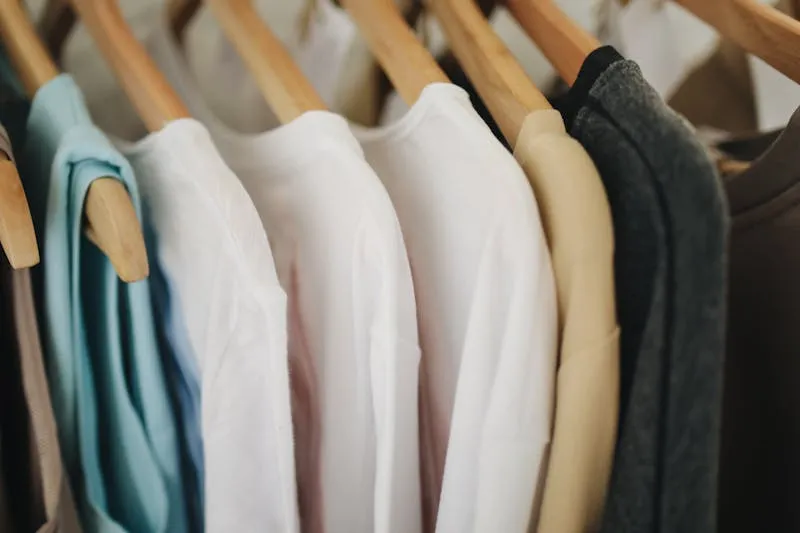
"Quiet luxury" — or "stealth wealth" — is the trend that dominated 2023–2024 and continues to influence. The idea: impeccably cut clothes, in quality fabrics, with no visible logo. Luxury is recognised by quality, not branding. It's Loro Piana over Gucci, The Row over Balenciaga.
Accessible translation: a well-cut merino wool jumper (COS, Uniqlo U, Arket), pintuck trousers that fall perfectly (Zara Studio, Massimo Dutti), a classic wool coat in a neutral colour (camel, grey, black, navy). The key is cut and fabric, not the label. A Uniqlo cashmere jumper at £69 in the perfect shade can be more "quiet luxury" than a logo-covered jumper at £400.
It's the easiest trend to adopt and the most enduring — because it relies on timeless basics rather than ephemeral pieces. It's also the most economical long-term: a good wool coat worn for 5 years costs less per wear than a trendy coat replaced each season.
The important nuance: quiet luxury as practised by the ultra-wealthy (Brunello Cucinelli, Loro Piana, The Row) costs thousands of pounds. Don't fall into the trap of thinking you need a huge budget to be minimalist. Accessible minimalism exists — it's the quality of the cut and fabric that matters, not the price tag.
Runway trends FAQ
Do I have to follow trends?
No. Trends are tools, not obligations. If a trend appeals to you and works with your style and body type, adopt it. If not, ignore it. The most stylish women don't follow every trend — they pick the ones that resonate with their personal style and skip the rest.
How many trends can I wear at once?
One per outfit, ideally. Two maximum if they're complementary (for example, bold colour + defined waist). Beyond that, the outfit becomes a trend catalogue rather than a coherent look. Style is about choice — and choosing means letting things go.
Do runway trends work for all body types?
Not all of them, and that's fine. XXL volumes are easier to carry if you're tall. Saturated colours can be more flattering depending on your skin undertone. The key is adapting the trend to YOUR body, not your body to the trend. The same idea (e.g. "bold colour") can translate into a jumper, a bag, shoes or a scarf — there's always a version that works for you.
Where can I find trend pieces on a budget?
Zara is the champion of runway-to-affordable translation (new pieces weekly). H&M and Mango follow closely. COS and Arket are perfect for quality minimalism. & Other Stories for more creative pieces. Vinted and charity shops for second-hand trend pieces — often half price, worn once.
When is a trend "over"?
A trend is over when it's so widely diffused it no longer makes any impact. Generally the cycle is: runway (month 0) → fashion press (months 1–2) → premium retailers (months 3–6) → fast fashion (months 4–8) → saturation (months 10–18) → dated (months 18+). The sweet spot for adopting a trend is between months 3 and 12.
Is quiet luxury a trend or a permanent style?
A bit of both. Understated minimalism has existed since the 1990s (Jil Sander, Helmut Lang, Calvin Klein). What's trendy is the name "quiet luxury" and its current media ubiquity. But the principles — impeccable cuts, quality fabrics, no logos — are timeless. It's a trend that doesn't date, which arguably makes it the safest wardrobe investment going.
How do I know which trends suit me?
Try them. Not in a shop in front of a tiny mirror with horrible lighting — at home, with your own clothes. Buy one single trend piece, combine it with what you already own, and wear it for a full day. If you feel good and compliments come naturally, it's the one. If you spend the day tugging at the hem, it's not for you.