Beirut, September 2018. I'm sitting cross-legged on a balcony in the Gemmayzeh quarter, my knees covered in pitta crumbs, a glass of ice-cold arak within arm's reach. In front of me, a table so loaded you can't see the cloth underneath — hummus, moutabal, labneh, kibbeh, fatayer, tabbouleh — and Rima, my Lebanese neighbour who dragged me here, gives me that amused look I know so well: "You see, Kristina, where I come from we don't eat. We host." Three hours of eating later, as I rolled towards my bed with all the dignity of a satisfied seal, I knew this cuisine deserved far more than a single article. But let's start with this one.
In this guide:
- Understanding the philosophy of the Lebanese table
- Essential ingredients for your Levantine store cupboard
- Perfect hummus — and why yours is probably wrong
- Essential mezze: tabbouleh, moutabal, fattoush & labneh
- Levantine grills: shawarma, kofta and skewers
- Kibbeh: the supreme art of Lebanese cooking
- Putting together a complete Lebanese meal at home
- Common mistakes that give the game away
- FAQ: Lebanese cooking
Understanding the philosophy of the Lebanese table
Lebanese cooking isn't a cuisine of dishes. It's a cuisine of tables — a fundamental distinction that most people miss when they try to recreate it at home. Where French gastronomy thinks sequentially — starter, main, pudding — the Lebanese table thinks simultaneously: everything arrives at once, everything is shared, everything mingles. It's a beautifully organised chaos.
The structure rests on three pillars. First, the mezze — that constellation of small dishes that can range from 5 to 40 different preparations depending on the cook's ambition and the guest count. Then, the grills — marinated meats cooked over charcoal, served with bread and sauces. Finally, fresh pitta bread, which isn't a side dish but a utensil: it's what you eat everything else with.
Rima's rule: In Lebanese cooking, generosity is not optional. If you think you've made enough hummus, double it. If the table doesn't look "too full", it's not ready. It's cultural — and it's delicious.
What makes this cuisine so addictive is the constant interplay between acidity (lemon, sumac, pomegranate), richness (tahini, yoghurt, olive oil), fresh herbs (parsley, mint, coriander) and warm spices (cinnamon, cumin, seven-spice). Every mouthful plays on all four registers — and when it's done well, it makes practically everything else taste bland by comparison.
A word on geography: Lebanon is tiny — 10,452 km², roughly the size of Devon and Cornwall combined — but every region has its specialities. The north is known for its kibbeh, the Bekaa for its grills, the south for its fish dishes, Beirut for its culinary cosmopolitanism. When we talk about "Lebanese cuisine", we're really talking about a regional patchwork unified by shared ingredients and a collective obsession with the quality of raw materials.
Essential ingredients for your Levantine store cupboard
Before we talk recipes, let's talk cupboard. Lebanese cooking relies on a relatively small number of base ingredients — but their quality makes all the difference. Here's what you'll need, ranked by importance.
Tahini — the star ingredient
Tahini is a sesame paste that goes into hummus, moutabal, dozens of sauces and several desserts. It's the one ingredient you absolutely cannot get wrong. Bad tahini will ruin your dishes; good tahini will elevate them.
How to choose: it should be 100% sesame, with no added oil, sugar or preservatives. The colour ranges from pale beige (hulled sesame, milder) to brown (whole sesame, more bitter). For beginners, go for hulled — the Al Arz brand is a reliable choice you can find in Middle Eastern grocers. Once opened, store it in the fridge and stir well before each use, as the oil separates naturally.
Essential spices
The Levantine store cupboard revolves around a handful of key spices:
- Sumac — this deep red-burgundy powder with a fruity, sour flavour that replaces lemon in many dishes. Essential for fattoush and hummus garnish
- Lebanese seven-spice (sabaa bharat) — a blend of cinnamon, black pepper, allspice, nutmeg, ginger, clove and coriander. Every family has its own recipe
- Za'atar — a blend of dried thyme, sumac, toasted sesame and salt. Spread on bread with olive oil for traditional breakfast
- Cumin — used in kofta and marinades
- Cinnamon — yes, in savoury dishes. It's the secret to the depth of flavour in many Lebanese recipes
Buying tip: For za'atar, avoid supermarket versions at all costs — they're often more salt and sesame than thyme. Real Lebanese za'atar is dark green and smells intensely of wild thyme. Middle Eastern grocers sell it in kilo bags for a fraction of the "world foods" aisle price — and it's usually better.
Fresh essentials
Lebanese cooking is a cuisine of the fresh and the raw. Here's what should never run out:
- Lemons — you'll use far more than you think. Two to three per meal is not excessive
- Flat-leaf parsley — in industrial quantities, not as a garnish. Lebanese tabbouleh is a parsley salad, not a bulgur one
- Fresh mint — in salads, drinks, yoghurt, everywhere
- Garlic — raw, crushed, omnipresent. Toum sauce (garlic pounded with oil) is a cornerstone
- Olive oil — extra-virgin, cold-pressed. Lebanon produces some of the world's best, but a good Greek or Spanish oil works perfectly
- Natural yoghurt — for labneh (strained yoghurt), marinades, sauces. Greek yoghurt comes close but isn't identical
Dry goods and preserves
Tinned chickpeas (or dried if you're committed — more on this in the hummus section), green and red lentils, fine bulgur wheat, long-grain rice, orange blossom water, rosewater, pomegranate molasses. That last ingredient — this dark, tangy-sweet syrup — is the "thing" that gives Levantine dishes their indescribable flavour. A spoonful in a vinaigrette, over grilled meat, in a marinade, and suddenly everything shifts to another dimension.
Perfect hummus — and why yours is probably wrong
I'll be direct: if your hummus has the texture of pebble-dash rendering, you're missing one of three crucial steps — and I bet it's the second one. Here's the method that actually works.
Authentic Lebanese hummus recipe
Ingredients (for a large bowl, 6-8 people):
- 400g dried chickpeas (or 2 x 400g tins, drained)
- 1 teaspoon bicarbonate of soda
- 150g quality tahini
- Juice of 2-3 lemons (60-90ml)
- 2 cloves of garlic
- Salt
- Ice-cold water
- To serve: olive oil, whole chickpeas, paprika or sumac, parsley
Step 1 — Cooking: If starting from dried chickpeas (recommended), soak them for 12 hours in plenty of water with the bicarb. Next day, rinse and cook for 45 minutes to an hour in fresh water with another pinch of bicarb. They must be very well cooked — when you crush one between your fingers, it should give way without resistance. If using tinned chickpeas, simmer them for 20 minutes with bicarb to soften them further.
Step 2 — The secret: removing the skins. Yes, it's tedious. Yes, it takes 15 minutes. Yes, this is what separates silky restaurant hummus from your gritty version. Rub the chickpeas between your hands in the cooking water — the skins float to the surface, you skim them off. You don't need to peel EVERY chickpea — 80% is enough for a spectacular result.
Classic mistake: Blending the chickpeas while still warm gives a smoother result. Don't let them cool completely — blend while they're still lukewarm.
Step 3 — Blending. First, blend the tahini alone with the lemon juice, garlic and salt for 2 minutes — it should turn pale and become fluffy. It's an emulsion, like a mayonnaise. Then add the drained chickpeas (keep the cooking water) and blend for a long time — 4-5 minutes in a food processor. Add ice-cold water, tablespoon by tablespoon, until you reach the desired texture: silky, pourable, smooth. Hummus thickens as it cools, so aim slightly thinner than your target.
Pro tip: The tahini-to-chickpea ratio is everything. Most online recipes use far too little tahini. For rich, authentic hummus, use at least 150g of tahini to 400g of dried chickpeas — it sounds like a lot, but it's the right proportion.
Serving it the Beirut way
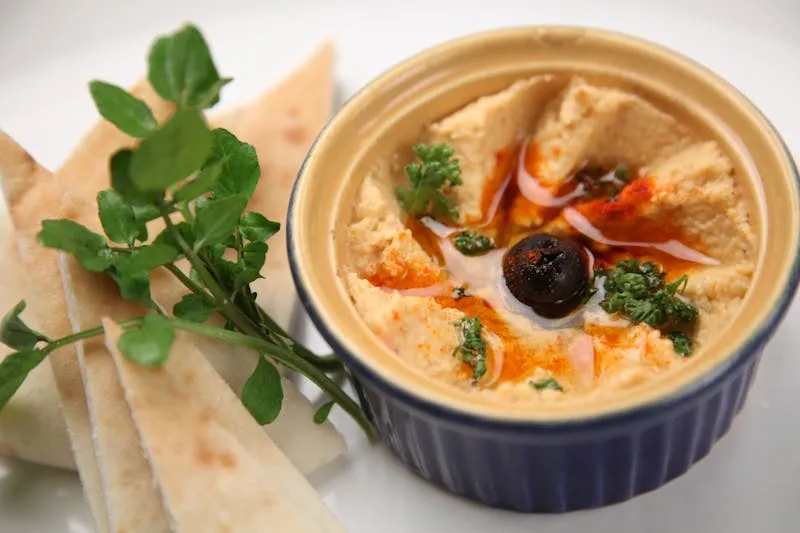
Spread the hummus across a shallow dish, creating a well in the centre with the back of a spoon. Pour a generous glug of olive oil into the well, scatter a few whole chickpeas, a pinch of paprika or sumac, and chopped parsley. Serve with warm pitta bread — ideally toasted for a few seconds over a direct flame.
Essential mezze: tabbouleh, moutabal, fattoush & labneh
A proper Lebanese mezze spread includes at least five or six preparations. Here are the four you absolutely must master — in order of increasing difficulty.
Lebanese tabbouleh (nothing like your version)
I know — you think you know how to make tabbouleh. Except Lebanese tabbouleh and the British "tabbouleh" are two completely different dishes. Lebanese tabbouleh is a parsley salad scattered with a few grains of fine bulgur — not the other way round. The correct ratio: 80% parsley, 20% bulgur. If your tabbouleh is yellow, it's a British version. If it's intensely green, welcome to Lebanon.
The recipe: 4 bunches of flat-leaf parsley (yes, four), finely chopped by hand (not in a blender, never). 4-5 tomatoes cut into very small dice. A white onion, very finely sliced. 3 tablespoons of fine bulgur, soaked 15 minutes, well drained. A few mint leaves, shredded. Dressing: juice of 2 lemons, 4 tablespoons olive oil, salt, a touch of allspice. Toss everything and serve immediately — tabbouleh doesn't keep, you eat it fresh.
Moutabal (smoky aubergine dip)
Moutabal is grilled aubergine meets tahini. The key to success lies entirely in how you cook the aubergine: it must be charred on the outside and collapsing-soft inside. The smoky flavour isn't a bonus — it's the essence of the dish.
The technique: Prick the aubergine with a fork and place it directly on a gas flame (or under the oven grill at maximum, turning regularly). The skin should be completely black and cracking, the flesh collapsed — 15-20 minutes. Leave to cool for 5 minutes in a covered bowl, then peel and scoop out the flesh. Mash with a fork along with tahini, lemon juice, crushed garlic and salt. Don't blend — the texture should stay rustic, with visible pieces.
Don't confuse moutabal and baba ganoush: Moutabal contains tahini; baba ganoush doesn't (just aubergine, garlic, lemon, olive oil). Both are delicious, but they're two distinct recipes. British restaurants often muddle them together.
Fattoush — the crunchy salad
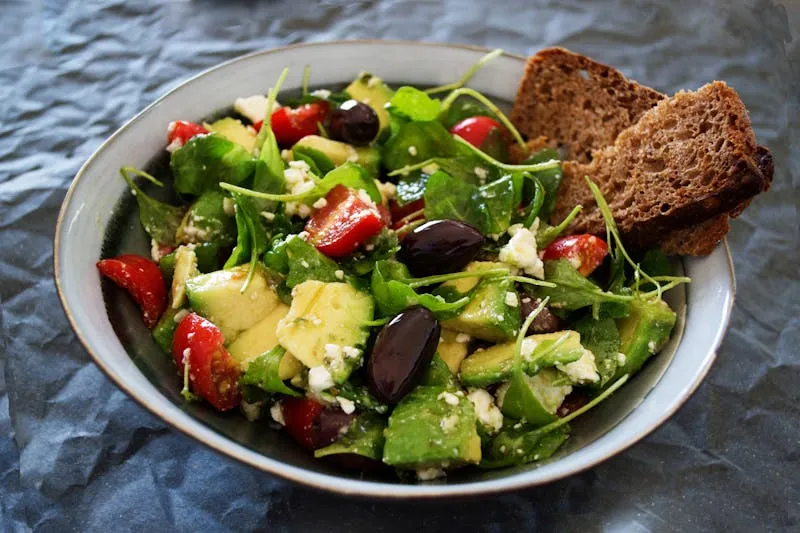
Fattoush is a raw vegetable salad with fried or grilled pitta bread torn into pieces, dressed with a sumac and pomegranate molasses vinaigrette. It's the most addictive salad on earth — the contrast between the crunch of the bread, the tang of the sumac and the freshness of the vegetables is irresistible.
Composition: Romaine lettuce, tomatoes, cucumber, radishes, red onion, green pepper, a few purslane leaves if you can find them. Pitta bread cut into triangles, fried in oil or baked until golden and crisp. Dressing: 4 tablespoons olive oil, 2 tablespoons lemon juice, 1 tablespoon pomegranate molasses, 1 generous tablespoon sumac, 1 crushed garlic clove, salt. The pitta must be added at the last moment to stay crunchy.
Labneh — the yoghurt that wanted to be cheese
Labneh is yoghurt strained until it reaches the consistency of a creamy fresh cheese. It's absurdly simple to make and extraordinarily good — served with olive oil, za'atar and warm bread, it's the quintessential Lebanese breakfast.
Method: Mix 500g natural full-fat yoghurt with a teaspoon of salt. Pour into a clean tea towel or muslin, tie, and suspend over a bowl in the fridge for 24 hours. The liquid drains away, leaving you with the thick, tangy cream that is labneh. To serve: spread on a plate, make a well, pour in olive oil and sprinkle with za'atar. You can also roll it into balls coated in olive oil and herbs — they keep for weeks in the fridge.
Quick version: Short on time? Use thick Greek yoghurt — it's already partially strained. The result won't be identical (slightly less tangy, marginally different texture) but perfectly respectable for a Tuesday evening.
Levantine grills: shawarma, kofta and skewers
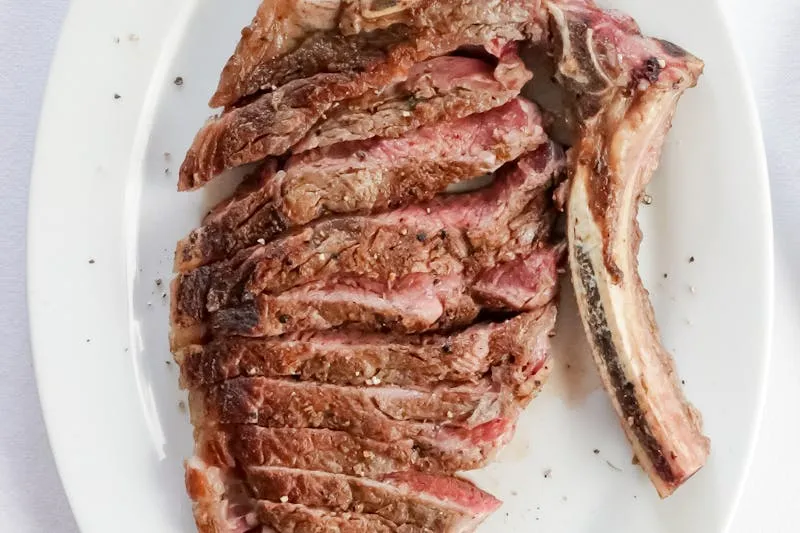
After the mezze come the grills — and this is where Lebanese cooking enters another dimension entirely. The secret to Levantine grills comes down to three words: marinade, charcoal, rest.
Homemade shawarma
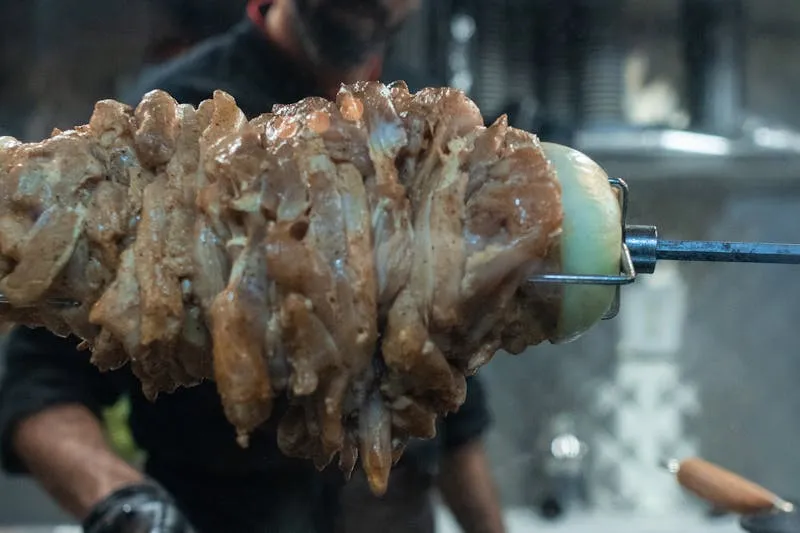
Yes, you can make shawarma at home without a rotating spit. The "stack" technique in the oven works remarkably well. Thinly slice chicken (boneless thighs, not breast — this is crucial) or lamb. Marinate for at least 4 hours — ideally overnight — in a mixture of yoghurt, lemon juice, garlic, cumin, paprika, cardamom, cinnamon, a splash of vinegar.
Stack the marinated slices on top of each other in a roasting tin, like a millefeuille of meat. Roast at 200°C for 40 minutes, then flash under the grill for 5 minutes to caramelise the top. Slice thinly and serve in pitta bread with tomatoes, tahini sauce and pickles. The result may not quite rival the spit at a Hamra restaurant, but it'll be honestly excellent.
Lebanese kofta
Lebanese kofta stands apart from its Turkish or Moroccan cousins through its use of generous fresh parsley (not coriander), finely grated onion (not chopped) and Lebanese seven-spice. The ratio is straightforward: for 500g of minced meat (beef, lamb or a mixture), add one grated onion, a large bunch of finely chopped parsley, a teaspoon of seven-spice, salt, pepper.
The key is not to overwork the meat — mix just enough to incorporate everything, then shape into sausages around flat skewers (or into patties if you haven't got skewers). Grill on the barbecue, plancha, or under the oven grill — 3-4 minutes per side. Kofta should stay pink inside for lamb, cooked through for beef.
The juiciness secret: Grated onion (not chopped!) releases its juice into the meat, stopping it from drying out. This specific technique is what separates dry kofta from melt-in-the-mouth kofta. Grate the onion on the coarse side of a box grater and squeeze lightly — you want its juice in the meat, not a paste.
Lemon and garlic chicken skewers
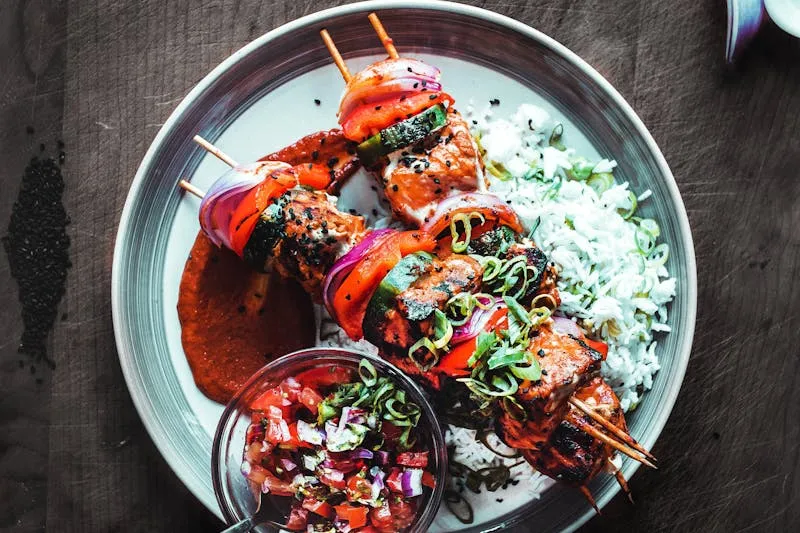
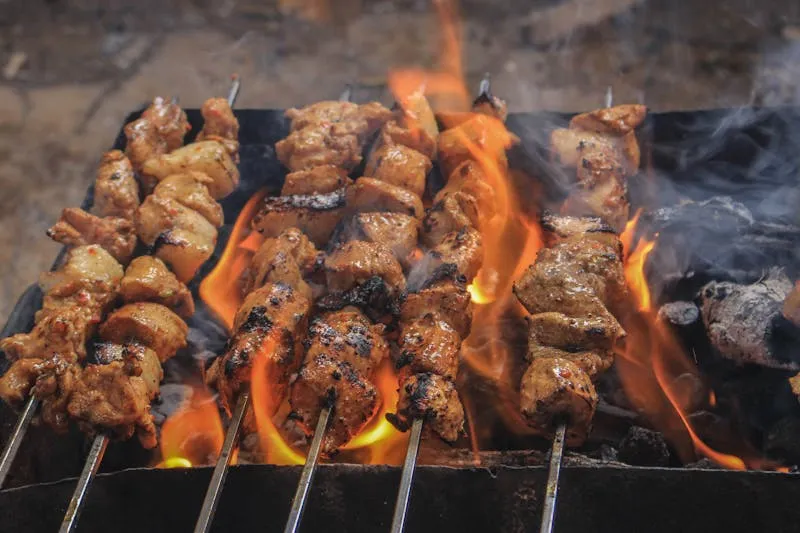
Simpler than shawarma, these skewers (shish taouk) are the most accessible Lebanese grill dish. The marinade is everything: yoghurt, lemon juice, crushed garlic, olive oil, paprika, turmeric (for colour), a touch of mustard. Marinate the chicken cubes (thighs, always thighs) for at least 2 hours. Thread onto skewers, alternating with pepper and onion pieces. Grill over high heat, 3-4 minutes per side — the yoghurt in the marinade creates that characteristic caramelised crust.
The obligatory accompanying sauce: toum — that raw garlic and oil emulsion that looks like white mayonnaise and has the power to make any dish addictive (and ruin your social life for 24 hours, but it's worth it). Blend 8 garlic cloves with salt, then add 250ml sunflower oil in a very thin stream, alternating with lemon juice. The result should be white, fluffy and aggressively garlic-scented.
Kibbeh: the supreme art of Lebanese cooking
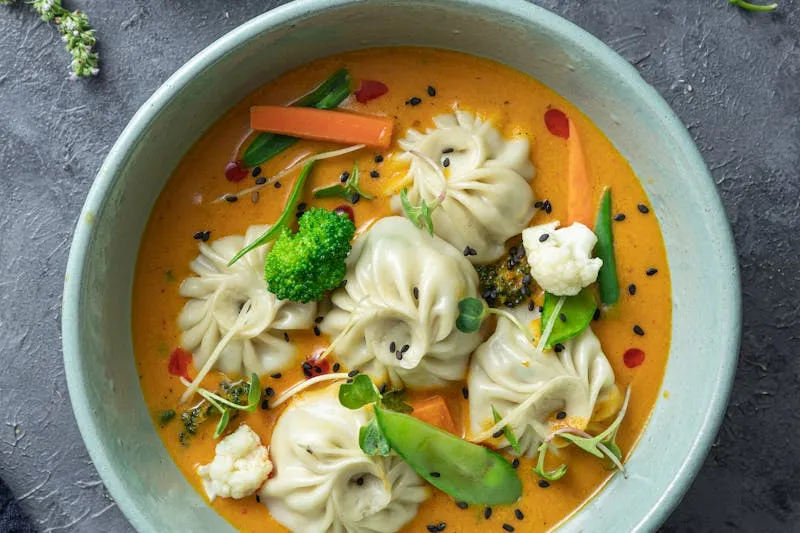
If hummus is the face of Lebanese cooking, kibbeh is its soul. It's also the dish that makes or breaks a Lebanese family's culinary pride — because bad kibbeh is a dishonour of the first order. Rima made me practise three times before declaring mine "acceptable" — and I'm fairly sure she was being generous.
There are dozens of kibbeh variations across Lebanon, but the three main ones are:
- Fried kibbeh (kibbeh makliyeh) — the most famous: a shell of bulgur and raw meat, stuffed with a mixture of lamb, onions and pine nuts, shaped like an American football, then deep-fried
- Baked kibbeh (kibbeh bil saniyeh) — a "cake" version: two layers of kibbeh paste with the filling in between, baked like a gratin
- Kibbeh nayyeh — raw kibbeh, Lebanon's steak tartare. Fine bulgur mixed with ultra-fresh raw lamb, seasoned with chilli, onion and seven-spice. Served with olive oil and bread — for the initiated only, and only from a trusted butcher
Kibbeh paste — basic technique
For the shell: 300g fine bulgur, soaked 30 minutes and well drained; 300g very lean lamb mince (ask the butcher to pass it through twice); one grated onion; a teaspoon of seven-spice; salt. Blitz everything in a food processor until you have a smooth, homogeneous paste — the texture should be dough-like, almost like modelling clay. Too dry? Add a splash of ice water. Too sticky? Add a bit more bulgur.
For the filling: fry 200g lamb mince with a sliced onion in a little oil. Add a teaspoon of seven-spice, salt, pepper, and a handful of toasted pine nuts. The filling must be dry — no juices running, otherwise your kibbeh will explode during frying.
Watch the temperature: The kibbeh paste must stay cold while you work it — wet your hands in ice water regularly. If it warms up, the fat melts and the paste cracks. Work quickly and keep the bowl in the fridge between kibbeh.
Shaping a kibbeh — the finger technique
Take an egg-sized ball of paste. Hollow it out with your index finger, rotating — the wall should be thin and even, like a little amphora. Fill with stuffing, close by pinching the two ends into points, and smooth the seams. The finished kibbeh should look like a small rugby ball or a pointed lemon. Fry in oil at 180°C for 3-4 minutes until golden. Serve with yoghurt or tahini sauce.
I won't lie to you: the first five will be ugly. They'll have cracks, holes, a shape that looks more like a potato than a football. That's normal. By the tenth, you'll start to find the rhythm. By the twentieth, you'll be proud. And when a Lebanese woman tells you "Oh, your kibbeh are good" — that's when you'll have truly achieved something.
Putting together a complete Lebanese meal at home
Organising a Lebanese meal at home can seem daunting — all those preparations, all those dishes at once. But the secret is that most mezze can be made ahead. Here's how to orchestrate a dinner for 6-8 without losing your mind.
Preparation schedule — Day before
- The night before: make the hummus (it's better the next day), the labneh (if starting from yoghurt, begin straining 24 hours ahead), the kibbeh (shape them and freeze raw — fry on the day), the chicken or lamb marinade
- Morning of: make the moutabal, chop the fattoush vegetables (without dressing), prepare the toum, prep the tabbouleh (chop the parsley, dice the tomatoes, everything in separate bowls — assemble at the last minute)
- 1 hour before: take everything out of the fridge, start the grills, fry the kibbeh, assemble the tabbouleh and fattoush, warm the pitta bread
The ideal menu for a first Lebanese dinner
Don't attempt 15 mezze for your first go — that's the surest way to end up in tears in the kitchen at 7pm. Here's a realistic and impressive menu:
- Cold mezze: Hummus, moutabal, tabbouleh, labneh with za'atar
- Hot mezze: Spinach fatayer (small triangular pastries) or fried kibbeh
- Grill: Shish taouk (chicken skewers) OR kofta — not both on the first attempt
- Sides: Warm pitta bread, Lebanese pickles (cucumber, pink turnip, olives), toum sauce
- Pudding: Fresh fruit cut up with orange blossom water, or baklava from a Middle Eastern bakery — there's absolutely no shame in that
- Drinks: Ayran (diluted salted yoghurt), mint lemonade, or arak for aniseed lovers
Presentation: The Lebanese table is visual. Use different-sized plates, finish every dish with a drizzle of olive oil, a sprinkle of sumac, parsley or pomegranate seeds. Put everything in the centre of the table — everyone helps themselves. It's the opposite of the individually plated French approach, and it's what makes the meal so convivial.
Quantities — the golden rule
For 6-8 guests, plan for:
- Hummus: one large bowl (recipe above)
- Moutabal: 3 large aubergines
- Tabbouleh: 4 bunches of parsley
- Labneh: 500g yoghurt (before straining)
- Meat for grills: 1kg minimum
- Pitta bread: at least 2 per person
And always plan 20% more than you think you need. If people don't go back for seconds, the meal has failed — at least by Lebanese standards.
Common mistakes that give the game away
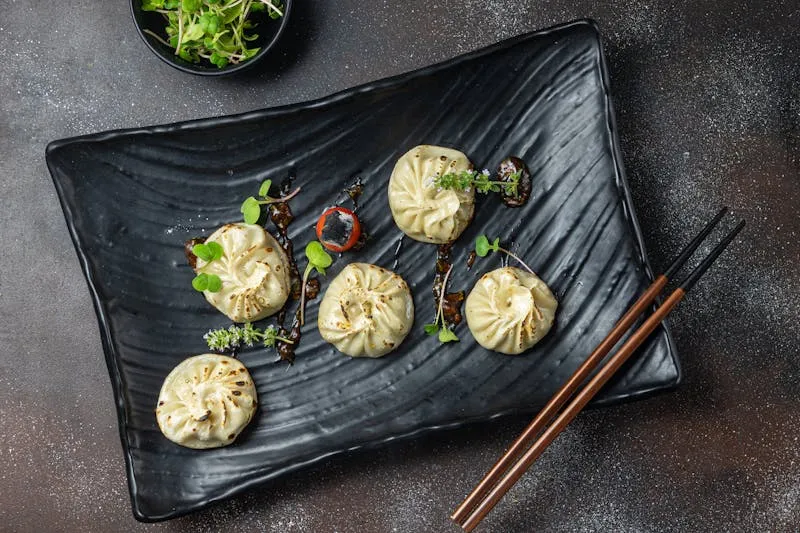
Having watched dozens of "Lebanese evening" attempts around me — including my own calamitous early efforts — here's the list of the most common mistakes. Avoid these and you're already better than 90% of people who "do Lebanese" at home.
- Too much bulgur in the tabbouleh. Reminder: it's a PARSLEY salad. The bulgur is an extra, not the lead
- Not enough lemon. Lebanese cooking is an acidic cuisine. If your dishes taste bland, you probably need more lemon — not more salt
- Poor-quality tahini. There's as much difference between good and bad tahini as there is between proper balsamic vinegar from Modena and supermarket "balsamic"
- Microwaved grills. No. Just no. Grill, griddle, barbecue or oven grill — but not the microwave. Ever
- Skipping the garnish. In Lebanese cooking, the garnish IS NOT decoration. The sumac on the hummus adds acidity. The olive oil adds fat. The parsley adds freshness. Every element has a flavour role
- Serving cold. Mezze should be at room temperature (not fridge-cold), bread should be warm, grills should be sizzling hot. Temperature is part of the dish
- Forgetting the pickles. Lebanese pickles — pink turnips (coloured with beetroot), cucumbers, chillies — are the antidote to the richness of the food. They cleanse the palate between bites. They're easy to find in Middle Eastern grocers
The fatal mistake: Serving a single "mezze" on a big plate and calling it "a Lebanese dinner". A bowl of hummus with bread is a nibble — not a supper. The magic happens when there are at least 4-5 different preparations on the table. It's the abundance that creates the experience.
FAQ: Lebanese cooking
Can you prepare mezze the day before?
Yes, and it's actually recommended for some. Hummus, moutabal and labneh are better made the day before — the flavours develop as they rest. However, tabbouleh and fattoush should be assembled on the day to stay fresh and crunchy. Kibbeh can be shaped the day before and kept raw in the fridge (or frozen) before being fried at the last minute.
How do you substitute lamb if you don't like it?
Beef is the most common substitute for kofta and kibbeh — use a lean cut like rump steak, minced. For skewers, chicken (thighs) is a classic choice. Some Lebanese regions also use veal. However, for kibbeh nayyeh (raw), only ultra-fresh lamb is suitable — don't attempt it with supermarket beef mince.
Is Lebanese cooking suitable for vegetarians?
Absolutely — it's actually one of the most naturally vegetarian cuisines in the world. Hummus, moutabal, tabbouleh, fattoush, labneh, falafel, mujaddara (lentils and rice with caramelised onion), fatteh (chickpeas with yoghurt)… You can put together a complete feast without a single animal protein, and nobody will notice the meat is missing.
Where can you find specialist ingredients in the UK?
Middle Eastern grocers are your best bet — you'll find them in most towns and cities. Sumac, za'atar, tahini, pomegranate molasses, fine bulgur: everything's there, often at prices well below the supermarket "world foods" aisle. For London, try Edgware Road or Green Lanes; Birmingham has the Stratford Road; Manchester has the Curry Mile area and Rusholme. Most larger Tesco and Sainsbury's now stock tahini and pomegranate molasses too.
What's the difference between Lebanese and Syrian cooking?
They're very close — Lebanon and Syria were historically part of the same geographical entity, and the cuisines share roughly 80% of their recipes. The differences are mainly in proportions and names: Syrian kibbeh tends to be larger and less spiced, Syrian hummus sometimes uses less tahini, and Syria has unique specialities like kebbab halabi (from Aleppo). But honestly, distinguishing them is a matter of local pride — both are magnificent.
Can you freeze hummus?
Yes, hummus freezes well for 2-3 months. The texture will be slightly different after defrosting (a touch grainier), but a whizz in the blender with a spoonful of ice water and a drizzle of tahini will sort it right out. Freeze in individual portions to avoid the defrost-refreeze cycle.