It was a Saturday afternoon at a beauty counter — one of those well-lit, mirror-lined spots that makes you feel like you should already know what you're doing. The sales assistant was enthusiastic and impressively knowledgeable, running through the differences between the hyaluronic acid serums arranged on the shelf. "This one has low molecular weight, so it penetrates deeper. That one is cross-linked, so it stays in the superficial layers longer. And this last one is encapsulated for a time-release effect." I nodded with the expression of someone who understood. I understood absolutely nothing. But I had the vague sense that the more expensive something was, the better it must be, so I walked out with the priciest one — £58 for a 30ml bottle — with the quiet satisfaction of having made an informed choice.
Three weeks later, my skin looked exactly the same. No more hydration, no plumpness, no glow. Fifty-eight pounds down for nothing. That's when I decided it was time to ACTUALLY understand this ingredient — not through sales patter, but through studies, formulator interviews, and methodical testing. This guide is the result of that work. Everything I wish I'd known before that Saturday at the beauty counter.
Spoiler: hyaluronic acid is a genuinely extraordinary ingredient. But most people use it wrong, choose the wrong product for their skin, or expect miracles it simply cannot deliver. Let's sort all of that out.
What is hyaluronic acid (really)?
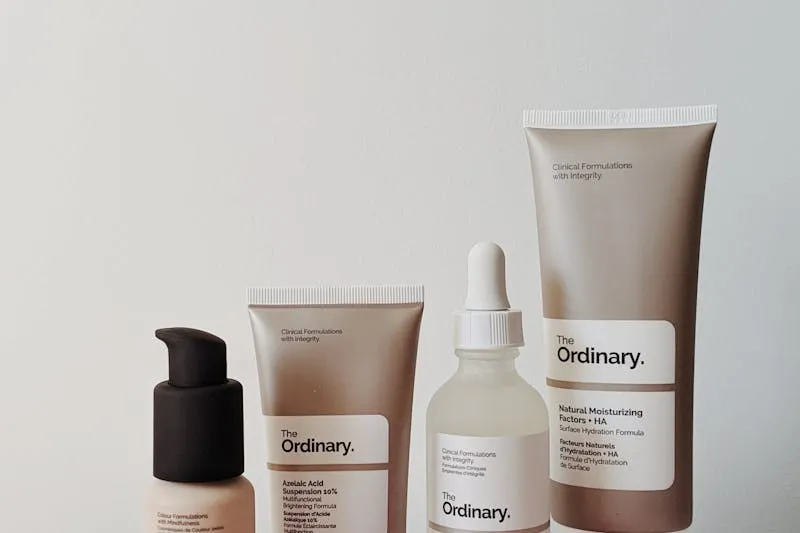
Hyaluronic acid (HA) is a glycosaminoglycan — a long chain of complex sugars — that occurs naturally throughout the human body. You'll find it in the dermis of the skin, in the synovial fluid of joints, in the vitreous humour of the eye, and throughout connective tissues. It's a fundamental molecule of the human body, not an exotic ingredient invented by a cosmetics lab.
In skin, HA plays a crucial role in maintaining hydration. It's naturally produced by fibroblasts in the dermis and keratinocytes in the epidermis. Its most well-known property: it can retain a remarkable amount of water. The "1,000 times its weight in water" figure gets tossed around constantly — we'll come back to that, because it's a bit more nuanced than it sounds.
With age, natural HA production decreases significantly. From your thirties onwards, the supply starts to decline. By age 50, skin contains roughly 50% less HA than at 20. This is one of the key reasons skin gradually loses its luminosity, density, and bounce over time.
Cosmetically, HA is produced through bacterial fermentation (primarily from Streptococcus equi) or biotechnological processes. It is then fragmented into different sizes depending on the desired molecular weight. Biotechnological HA is now the standard in quality cosmetics — vegan, minimal allergy risk, and infinitely reproducible.
The famous water-retaining capacity: true or myth?
Let's talk about "1,000 times its weight in water." This is true — under laboratory conditions, in vitro, in a sufficiently humid environment. High molecular weight HA can indeed hold phenomenal quantities of water. But under real skin conditions — exposed to air, with a cutaneous barrier interacting with the environment — the figures are less spectacular. What is real and proven: HA is one of the best humectants known to science, capable of attracting and retaining water exceptionally well in the superficial layers of skin.
💡 Kristina's tip
Hyaluronic acid is a humectant, not an occlusive. It attracts water, but can't hold it against dry air on its own. That's why it should almost always be paired with a moisturiser or emollient on top. This distinction is fundamental and explains about 80% of disappointments with HA products.

Molecular weights: the key to understanding everything
Most skincare guides stop at a meaningless soundbite ("low molecular weight penetrates deeper"). Let's go further, because this is where the real differences between products are made.
Molecular weight is measured in kilodaltons (kDa). The larger the molecule (high weight), the less it can traverse the layers of skin. The smaller the molecule (low weight), the deeper it can penetrate. But size isn't everything — each weight range has its own benefits and, for the smaller molecules, its own controversies.
High molecular weight (HMW-HA): >1,000 kDa
Large HA molecules do not penetrate the epidermis. They remain on the surface and form an occlusive film on skin — a hydrating veil that slows water evaporation (TEWL: Transepidermal Water Loss). The effect is immediate: skin looks smoother, softer, and more plump within minutes.
HMW-HA has an excellent tolerability profile. Virtually no irritation risk, even on very sensitive skin. It's also the most thoroughly researched form — the majority of clinical studies on topical HA use high molecular weight forms.
Ideal for: immediate surface hydration, sensitive skin, dry-air environments (potential trap in dry climates, see dedicated section), daily skincare.
Medium molecular weight (MMW-HA): 100–1,000 kDa
This range is the most versatile. Molecules can partially penetrate the epidermis and act in the superficial dermal layers. They combine surface film-forming effects with deeper hydrating action. Many "multi-weight" serums include this range as the backbone of their formula.
Low molecular weight (LMW-HA): 10–100 kDa
These smaller molecules can penetrate the upper dermal layers via intercellular junctions. Their action is deeper: they can hydrate from within, stimulate fibroblasts, and potentially act on dermal structure. Studies show they activate endogenous synthesis of both HA and collagen.
Worth noting: at very low molecular weight (<10 kDa), some in vitro studies suggest HA can trigger an inflammatory response. This is an active area of research. In well-designed cosmetic formulations, concentrations remain within considered safe zones, but it's worth bearing in mind for highly reactive skin types.
Nano-HA and ultra-low molecular weight (<10 kDa)
This is the most recent and most contested territory. Nano-HA particles promise deep penetration and regenerative effects. But two points warrant caution:
- In vitro studies show that very small HA fragments can act as pro-inflammatory signals, mimicking a tissue injury response. This mechanism isn't necessarily problematic at low concentrations, but merits attention for sensitive or inflammation-prone skin.
- European cosmetic regulation doesn't yet have a specific framework for nano-HA, though the Cosmetics Regulation (EC) No 1223/2009 requires "[nano]" labelling in the INCI list for any nano-particulate substance.
⚠️ Warning: sensitive and reactive skin
If your skin is prone to redness, rosacea, or inflammatory reactions, opt for formulas based on high or medium molecular weight HA. Nano-HA and ultra-low MW can theoretically increase skin reactivity in certain profiles. There is no definitive scientific consensus on this, but the precautionary principle applies here.
Optimal concentration: between 0.1% and 2%
The HA concentration in a product is frequently highlighted in marketing. But beyond 2%, HA creates an overly sticky texture and can paradoxically dehydrate by forming a barrier that's too impermeable. Below 0.1%, the effect is marginal. The optimal zone sits between 0.1% and 2% for the vast majority of effective formulations.
Products boasting astronomical concentrations (5%, 10%, "pure HA") are often playing the marketing game. A well-designed formula at 1%, with multiple molecular weights and a thoughtfully constructed base, will always outperform a 5% HA formula in a mediocre vehicle.
💡 Kristina's tip
Look at the INCI list rather than the concentration plastered on the packaging. A well-formulated product will list at least two forms of HA with different molecular weights: typically "Sodium Hyaluronate" (the more stable sodium salt of HA) and "Hydrolyzed Hyaluronic Acid" or "Sodium Hyaluronate Crosspolymer." This molecular diversity is the real quality indicator.
Serum, cream, mist, patch: which formulation to choose?
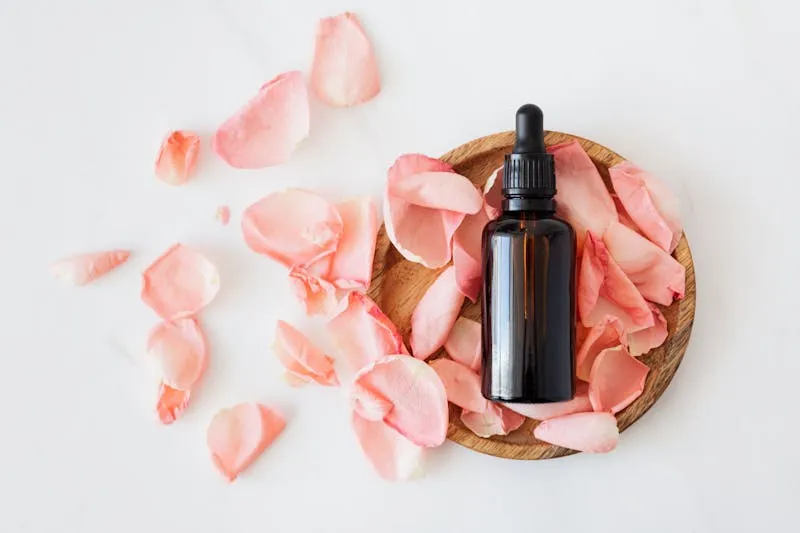
HA can be incorporated into almost any cosmetic formulation. The format you choose isn't trivial — it determines penetration, efficacy, and how well it slots into your routine.
HA serum
The most concentrated and effective formulation for delivering HA. Serums have a lightweight texture, absorb quickly, and are typically formulated with multiple molecular weights for multi-level action. Apply before moisturiser, on slightly damp skin for maximum effect.
Pros: high concentration, rapid absorption, compatible with any routine, lightweight texture suits oily skin.
Con: without an occlusive layer on top, the effect can evaporate quickly, especially in dry air.
HA moisturising cream
Here, HA is typically paired with emollients (oils, butters, cetyl alcohol) and light occlusives (glycerin, dimethicone) that form a barrier and lock in the water attracted by HA. This is the most complete formulation for dry or mature skin, because it solves the "humidity trap" problem (more on that shortly).
Pros: lasting hydration, reinforced action from occlusives, ideal for dry or mature skin.
Con: can feel too heavy for oily or combination skin if poorly formulated.
HA facial mist
Mists typically contain high molecular weight HA in a light aqueous base. Perfect for a mid-day refresh or to re-moisten skin before applying a serum or cream. Their long-term efficacy is limited — they don't replace a proper skincare product.
Pros: convenient, lightweight, SOS hydration on the go.
Con: superficial and temporary effect, still requires a moisturiser to finish.
HA patches and sheet masks
Sheet masks and under-eye patches deliver a concentrated dose of HA over a short period (15–20 minutes) in an occlusive environment (the fabric prevents evaporation). Result: visibly plumper skin, immediately. The effect lasts 24–48 hours. Excellent for prepping skin before an event, less suited as a daily staple.
💡 Kristina's tip
For maximum efficacy, apply a multi-weight HA serum to slightly damp skin, then immediately seal with a moisturiser or emollient. This "HA + occlusive" sandwich is the clinically validated method for lasting hydration — and it's what the British Association of Dermatologists recommends for humectant-based hydrating products.
Hyaluronic acid for your skin type
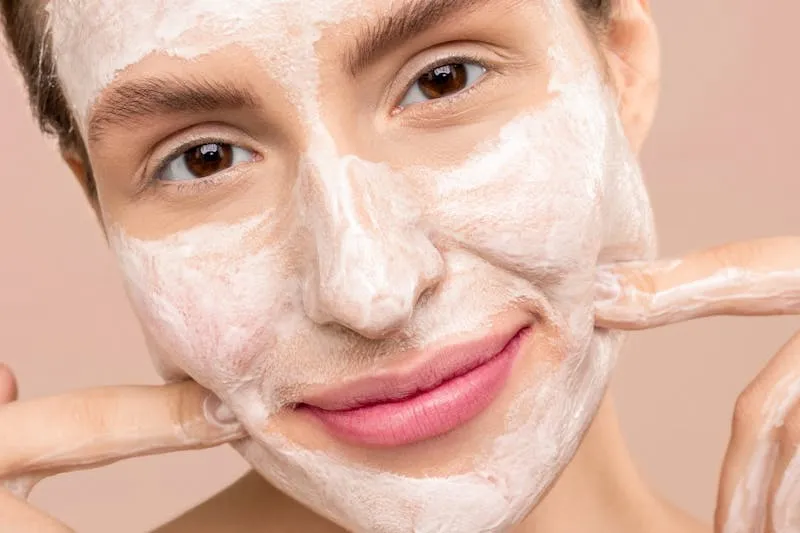
HA is often presented as a universal ingredient, good for all skin types. In theory that's true — but practical application needs to be tailored to your skin.
Dry skin
HA is extremely valuable for dry skin, but with one absolute rule: always seal with an occlusive or emollient. Without this step, HA can worsen dryness in low-humidity environments (see next section). Best approach: multi-weight HA serum on slightly damp skin, followed immediately by a rich cream with ceramides and/or plant oils. Dry skin benefits particularly from HMW-HA for its protective film-forming effect.
Recommended products: CeraVe Moisturising Cream (HA + ceramides + niacinamide, around £12, widely available at Boots and Superdrug), La Roche-Posay Hyalu B5 Serum (HA + vitamin B5, around £28 at Boots).
Oily and combination skin
Good news: HA is one of the few hydrating ingredients that suits oily skin brilliantly. Its aqueous, non-comedogenic texture hydrates without blocking pores or increasing sebum production. Oily skin can absolutely be dehydrated — it's extremely common in those who over-cleanse or use drying actives (AHAs, BHAs, retinoids). HA compensates for this dehydration without weighing skin down.
Best format for oily skin: lightweight serum or gel-serum, without oils or heavy occlusives. No need to add a rich cream on top if skin doesn't call for it.
Recommended products: The Ordinary Hyaluronic Acid 2% + B5 (around £6, available everywhere), Hada Labo Gokujyun Lotion (pure HA, water-like consistency, around £10–£14 online or at Asian beauty shops).
Mature skin
With age, endogenous HA production falls and skin loses density and bounce. Topical HA doesn't replace this loss (cosmetic molecules don't reach the deep dermis where volumetric changes truly occur), but it significantly compensates for surface dehydration and improves radiance and texture. Mature skin benefits most from formulas combining HMW-HA (immediate plumping effect) + LMW-HA (cellular stimulation) + complementary actives (peptides, niacinamide, retinol).
Recommended products: Vichy Liftactiv Supreme H.A. Epidermic Filler (HA + succinate acid, around £35 at Boots), RoC Retinol Correxion Line Smoothing Serum (HA + retinol, around £28).
Sensitive and reactive skin
Sensitive skin generally tolerates high molecular weight HA very well. It's non-irritating and virtually non-allergenic. Avoid formulas with alcohol, fragrance, or potentially irritating preservatives alongside it. Reactive skin prone to inflammation (rosacea) may be more sensitive to LMW-HA — in this case, opt for formulas based purely on HMW-HA.
Dehydrated skin (all types)
Skin dehydration is a temporary state — not a skin type — caused by external factors (dry climate, heating, air conditioning) or internal ones (drying actives, poor diet, stress). HA is one of the best treatments for skin dehydration, regardless of your baseline skin type. Two weeks of regular use is typically enough to restore satisfactory hydration levels.
The humidity trap: why HA can actually dry your skin out
This is the most counterintuitive point in this entire guide, and probably one of the main reasons for disappointment with HA. Pay close attention.
Hyaluronic acid is a humectant: it attracts water. It draws it from two possible sources:
- The atmosphere — if ambient air is sufficiently humid (relative humidity >70%, typically in summer, coastal areas, or temperate climates).
- The deeper layers of skin — if ambient air is dry (relative humidity <40%, typically in winter, centrally heated or air-conditioned environments, at altitude, on planes).
In dry conditions, HA applied to the surface attracts water... from the lower layers of the epidermis and dermis. Result: the surface feels momentarily hydrated, but the deeper layers become dehydrated. After evaporation (which happens fast in dry air), skin can end up drier than before application.
⚠️ Warning: dry climates and indoor heating
If you live somewhere dry, spend time on planes, or use central heating or air conditioning heavily in winter, NEVER leave an HA serum "alone" on your skin. Apply an occlusive or moisturising cream on top immediately (within 30 seconds). Non-negotiable. This rule alone explains why so many people find that "HA doesn't work" for them.
The practical solution: add moisture before applying
Two validated approaches to maximise HA efficacy:
Approach 1 — Apply to slightly damp skin: after cleansing, gently pat skin with a towel (not bone dry) and apply the HA serum immediately. The residual water on skin provides a local hydration source for the HA. Seal with cream within 30 seconds.
Approach 2 — Thermal water mist before serum: spritz a thermal water mist over your face, wait 10 seconds, apply HA serum, then cream immediately. Avène Thermal Spring Water, La Roche-Posay Thermal Spring Water — both work perfectly for this.
In both cases: never leave an HA serum without finishing with an occlusive moisturiser. Especially in winter.
How to incorporate HA into your routine
HA slots simply into any skincare routine, but the order of application matters.
Morning routine (application order)
- Gentle cleanser — clean skin, slightly damp
- Toner/essence (optional) — if you use one, apply before HA
- HA serum — on slightly damp skin, gently pat in
- Active serum (vitamin C, niacinamide) — if you use one, after HA
- Moisturiser / emollient — ESSENTIAL to seal the HA
- SPF 30 minimum — the final step before makeup
Evening routine
- Double cleanse (oil + balm/foam) or appropriate cleanser
- Exfoliant (if applicable) — AHAs, BHAs, a few evenings per week only
- HA serum — on slightly damp skin
- Evening active serum (retinol, peptides) — after HA
- Night cream or rich balm — seals everything in
What pairs well with HA?
HA is one of the most compatible ingredients in skincare. It pairs beautifully with:
- Vitamin C: excellent brightening + hydration duo. Apply vitamin C first if it's more acidic, then HA.
- Niacinamide: hydration + sebum regulation + anti-pigmentation combo, zero incompatibility.
- Retinol: HA compensates for the dehydration retinol can cause. Apply HA before or after retinol depending on the formula.
- Peptides: synergistic combinations for mature skin, no contraindications.
- AHAs/BHAs: HA can be applied after exfoliants to compensate for potential irritation. Don't mix them in the same step.
- Ceramides: the ideal partnership — HA hydrates, ceramides repair the barrier. CeraVe is the textbook example.
💡 Kristina's tip
The golden rule for layering order: lightest to heaviest texture. HA, as an aqueous serum, always goes before creams and emollients. If you're using multiple serums (HA + vitamin C + retinol), start with the most "active" one (vitamin C in the morning, retinol in the evening), then HA, then cream. Or swap the order of HA and the active — the important thing is that cream goes last to seal everything in.
Myths debunked
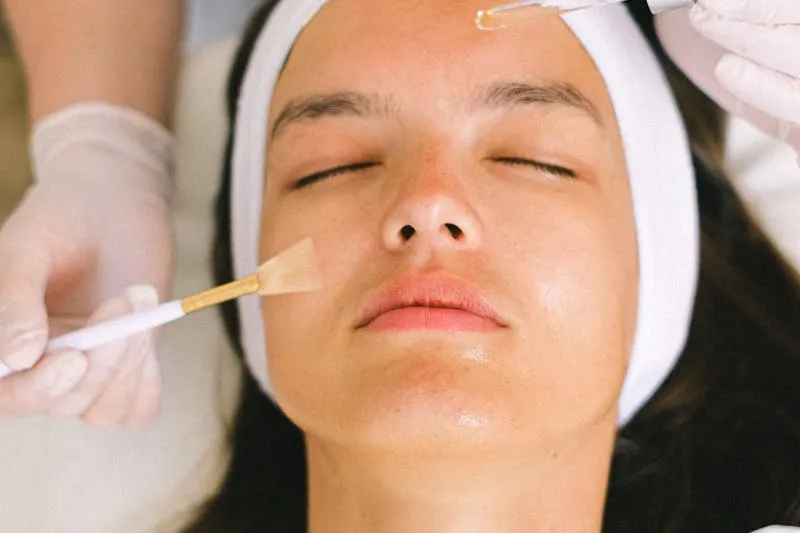
Hyaluronic acid is one of the most marketing-claim-prone ingredients in beauty. Here are the five most common myths — dismantled with evidence.
Myth 1: "More HA = better results"
False. Beyond 2%, excess HA creates a sticky texture and can paradoxically impair hydration. The optimal concentration for most formulas sits between 0.1% and 2%. A product at 0.5% with multiple molecular weights in a well-designed base will always outperform a 5% HA product in a poor vehicle. It's the quality of the formulation, not the raw concentration, that counts.
Myth 2: "HA replaces moisturiser"
No. As explained in the humidity trap section, HA is a humectant — it attracts water. But without an occlusive barrier to lock that water in, it evaporates. An HA serum alone, without a cream on top, does not replace a moisturiser. It complements one. For very oily skin in summer, a light gel-cream may suffice, but a finishing layer remains necessary.
Myth 3: "All HA serums are the same"
Absolutely not. The difference between an £8 and a £58 HA serum often comes down to: diversity of molecular weights, quality of the vehicle (aqueous base vs. base enriched with complementary actives), presence of synergistic actives (vitamin B5, niacinamide, ceramides), formula stability (pH, preservatives), and absence of disruptive ingredients (alcohol, synthetic fragrance). A well-formulated The Ordinary HA at £6 can outperform a poorly formulated luxury serum in real-world efficacy.
Myth 4: "HA has a 'filler' effect"
Misleading. Some products use terms like "filler effect" or "injectable-like results." These cosmetic formulations do not penetrate the dermis and cannot deliver the volumising action of true injectables. The surface effect (temporary plumping through hydration) is real, but it doesn't compare to the results of a medical filler. This type of communication frequently edges towards misleading claims under EU Cosmetics Regulation and ASA advertising standards.
Myth 5: "HA permanently hydrates"
No. HA has no permanent cumulative effect. As long as you use the product regularly, hydration is maintained. Stop using it and your skin gradually returns to baseline. Same logic as a balanced diet: stopping healthy eating reverses the benefits. Topical HA is a daily maintenance product, not a permanent cure.
Product picks by budget
These recommendations are based on formulation quality (INCI list analysis), documented user experiences, and personal or editorial team testing. Prices are approximate and may vary.
Budget picks (under £15)
The Ordinary Hyaluronic Acid 2% + B5 — around £6
The undisputed value-for-money reference. Contains multiple forms of HA plus vitamin B5 (panthenol) which strengthens the skin barrier. Slightly gelled texture, apply to damp skin. A classic that delivers. Note: intentionally minimal formula without additional actives — layer it with your other products. Available at Boots, Superdrug, ASOS, and direct from the brand.
Hada Labo Gokujyun Lotion (Original) — around £10–£14
A cult Japanese formula based on pure HA, water-thin consistency, applied in layers (the "7 skin method"). Contains multiple HA forms including super-high and nano-HA. Ideal for oily skin wanting maximum hydration with zero grease. Available online and in some Asian beauty shops.
Mid-range (£15–£35)
La Roche-Posay Hyalu B5 Replumping Serum — around £28 at Boots
The French pharmacy reference, and for good reason. Combines fragmented HA (high + low molecular weight), vitamin B5, and madecassoside (centella asiatica). Light serum texture, suitable for all skin types including sensitive. Fragrance-free. A dermatologist-validated choice endorsed by the British Association of Dermatologists' patient resources.
CeraVe Moisturising Cream — around £12 at Boots/Superdrug
Not strictly an "HA serum" but one of the best-formulated moisturisers on the market: HA + 3 essential ceramides + niacinamide in an MVE (extended release) base. Perfect as a finishing layer after an HA serum. The Ordinary HA + CeraVe Cream is probably one of the best budget-efficacy duos in existence.
Vichy Minéral 89 Hyaluronic Acid Booster — around £22 at Boots
Booster serum based on Vichy volcanic thermal water + HA. Simple, effective formula, fragrance-free, very light texture. Excellent for sensitive dehydrated skin. Can be used morning and evening, alone or layered with other actives.
Premium picks (>£35)
SkinCeuticals Hydrating B5 Gel — around £55
Professional formula with HA + vitamin B5 + resveratrol at high concentrations. Pure gel texture, no fragrance or potentially irritating preservatives. The dermatological reference for dehydrated skin post-procedure. Effective, but hard to justify over La Roche-Posay Hyalu B5 for everyday use.
Drunk Elephant B-Hydra Intensive Hydration Serum — around £40
Premium formula with multi-weight HA + pro-vitamin B5 + sodium PCA + potassium citrate. Very well tolerated, fragrance-free, lightweight texture. A cruelty-free brand recognised for clean formulations. Available at Space NK, Cult Beauty, and John Lewis.
💡 Kristina's tip
My favourite all-round combo: The Ordinary HA 2% + B5 (£6) applied to damp skin, followed immediately by La Roche-Posay Hyalu B5 (£28) to seal. Total: £34 for a duo that outperforms most serums at £60+. That's intelligent low-buy skincare.
FAQ: your questions, my honest answers
Is hyaluronic acid safe during pregnancy and breastfeeding?
Yes, topical hyaluronic acid is considered safe during pregnancy and breastfeeding. It's a substance naturally present in the body, and transcutaneous absorption is minimal. It's recommended by many dermatologists as an alternative to actives contraindicated during pregnancy (retinol, high-concentration AHAs, certain fragrances). Do check with your GP or midwife to validate your full routine, but HA itself is generally considered a safe bet.
Can you use HA around the eyes?
Yes, and it's actually highly recommended for this area, which is particularly prone to dehydration. The skin around the eyes is very thin and low in sebaceous glands — it loses moisture quickly. High molecular weight HA formulas are perfectly suited here and won't cause irritation. Avoid formulas with fragrances or irritating actives in this area. Application tip: gently tap with your ring finger, never rub.
Can HA cause allergic reactions?
True allergies to hyaluronic acid are extremely rare — HA is an endogenous substance of the human body with a very low allergenic profile. If you react to a product containing HA, the reaction is far more likely caused by other ingredients in the formula (fragrance, preservatives, alcohol). To identify the culprit, do a patch test on your inner arm 24–48 hours before first use of any new product.
Can cosmetic HA replace HA injections?
No, and it's important to be honest about this. Cosmetic HA hydrates the superficial layers of the epidermis and improves radiance and texture. HA injectables (fillers) act in the deep dermis, creating physical volume. These are not the same mechanisms, nor the same results. Cosmetic HA can optimise overall appearance and compensate for surface dehydration, but it will not remodel volumes. If you're looking for volumising results, that's a conversation to have with a medical aesthetic practitioner, not a serum.
How long before you see results?
The surface hydration effect (plumping, smoothing, glow) is visible from the first application for most skin types. This is one of HA's great advantages — results on hydration are almost immediate. Long-term effects on overall skin quality (radiance, deeper texture) become visible after 4–8 weeks of regular daily use. If you see no improvement after 4 weeks, reconsider your formulation or whether you're pairing it correctly with an occlusive.
Is HA effective for acne-prone skin?
HA isn't an anti-acne active per se — it has no keratolytic, antibacterial, or sebum-regulating action. However, it's extremely useful in an acne routine to compensate for dehydration caused by treatment actives (BHA, retinol, benzoyl peroxide). Well-hydrated acne-prone skin responds better to treatments and recovers more quickly from irritation. Its non-comedogenic profile makes it a go-to moisturising ingredient for acne-prone skin.
What's the difference between hyaluronic acid and sodium hyaluronate?
Sodium hyaluronate is the sodium salt of hyaluronic acid — it's the most commonly used form in cosmetics because it's more stable in aqueous formulations, less sensitive to pH and temperature variations. It behaves the same way on skin as HA itself. When you see "Sodium Hyaluronate" in an INCI list, that is HA. The two terms are often used interchangeably in product communication, though they're chemically distinct.
Sources and references
- British Association of Dermatologists (BAD) — Patient information on skincare ingredients
- NHS — Skin conditions and hydration guidance
- Paula's Choice Ingredient Dictionary — Hyaluronic Acid
- Papakonstantinou E, Roth M, Karakiulakis G. (2012). Hyaluronic acid: A key molecule in skin aging. Dermato-Endocrinology, 4(3), 253–258. doi:10.4161/derm.21923
- Bravo B, et al. (2022). Hyaluronic Acid: A Key Ingredient in the Therapy of Inflammation. Molecules. doi:10.3390/molecules27041023
- Draelos ZD. (2021). The science behind skin care: Moisturisers. Journal of Cosmetic Dermatology, 18(2), 438–444.