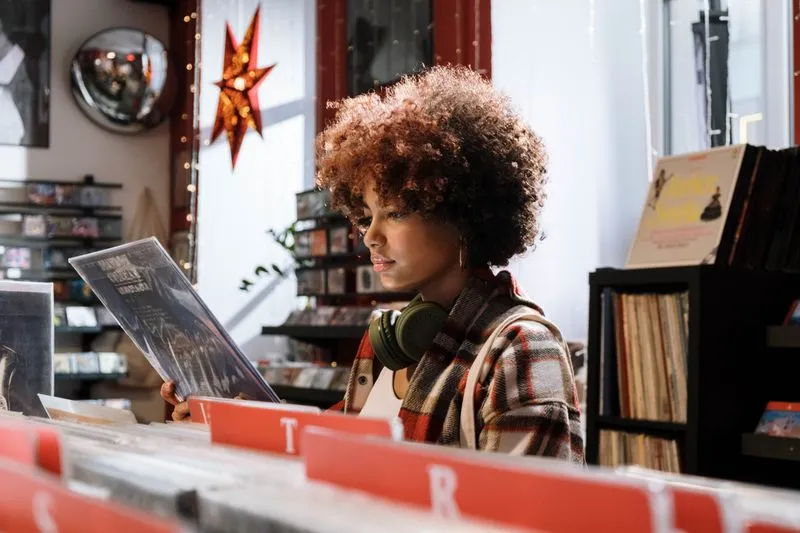
Monday, 7.40am, on the Tube: your Discover Weekly has just refreshed and you're already skipping the third track, before it even reaches the chorus. Your Spotify algorithm has been recommending the same sort of thing since 2019, and you mostly listen out of politeness. You get the feeling you're stuck in a musical bubble — and you're not wrong. Algorithms give you what you already like. Not what you might love.
Tomorrow, Saturday 21 June, is Make Music Day — the annual celebration of music-making on 21 June, built on a concept started in France in 1982, where every event is free to take part in and watch. It's the one day a year you're almost guaranteed to stumble on a sound you'd never have searched for. The other 364 days need a method: apps, radio, forums, online record shops and proper conversations. This guide is here to burst the bubble.
Your algorithmic bubble: understanding the problem
The problem with music algorithms is that they're excellent in the short term — and far less so over time. Spotify, Apple Music, YouTube Music: they analyse what you've played on repeat, what you've skipped, what you've saved. And they give you more of the same. It's reassuring. Comfortable. And it's precisely what stops you making real discoveries.
It's called the "filter bubble". In music, it shows up in very concrete ways: you've been listening to indie pop since 2021, the algorithm serves up more indie pop. You love Adele? Fine (who doesn't?). But you may never stumble across a Nigerian Afrobeats artist or an Icelandic folk singer unless you force the machine to do something different.
It isn't just a feeling. When Spotify's research team measured the listening diversity of its Premium subscribers over 28 days in July 2019, it found that most users are more diverse when they choose for themselves than when the platform programmes for them (Discover Weekly being the obvious example). And people who broaden their taste from one year to the next typically do it by listening to their own collections more. The researchers are careful to add that they can't assume the algorithm caused the narrower listening — people with less eclectic tastes may simply find those playlists more appealing.
There's also a psychological mechanism at play, which psychologists call the mere exposure effect: we tend to like things more once we've heard them before. The algorithm feeds that attachment — not necessarily to what you prefer, but to what's familiar. So part of what you love may simply be what you're used to.
The good news is that you can outwit algorithms. And there are dozens of other ways to find music — ways that existed long before streaming platforms. Ways that are, honestly, often much more satisfying.
Spotify: how to make the algorithm surprise you
Let's start with the platform you probably already use. Should you ditch it? No. Spotify isn't useless for discovery — you just need to know where to look and how to push the algorithm out of its comfort zone. On the page where Spotify explains its recommendations, it spells out that searching, listening, skipping and saving all shape its reading of your taste, and that some recommendations come from a human editorial team. In other words: every tap counts.
The Release Radar hack: your Release Radar playlist (refreshed every Friday) recommends new releases Spotify thinks you'll enjoy, based on what you listen to and the artists you follow. The hack? Actively follow artists you admire rather than just streaming their tracks. Go to an artist's profile and hit "Follow": their next releases stand a good chance of landing in your Radar. Try following ten artists outside your usual comfort zone this week (yes, ten).
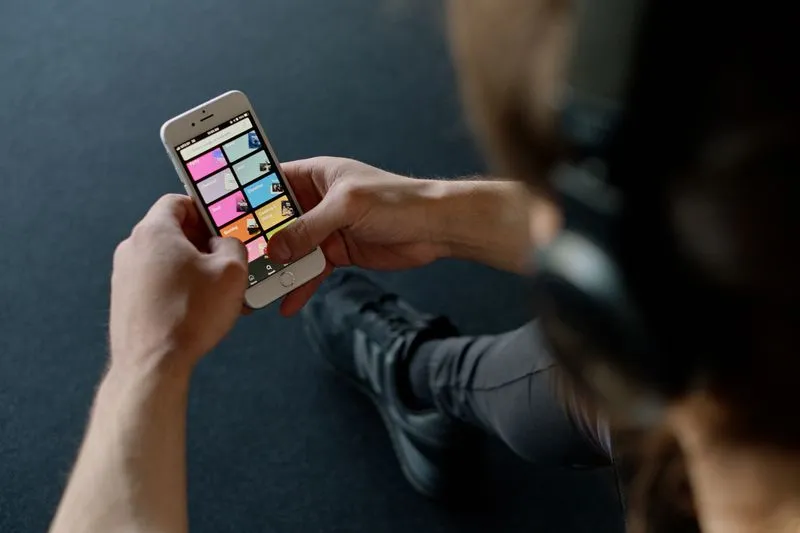
Daily Mix, Discover Weekly, editorial playlists: most people don't distinguish between them, but it matters. Daily Mix (1, 2, 3...) is ultra-personalised and stays firmly in your bubble. Discover Weekly, refreshed every Monday, slips in tracks you've never played — it's the most adventurous of the automatic playlists, even if it stays timid. Release Radar is mainly for keeping up with new releases. And the editorial playlists (New Music Friday, Fresh Finds...) are curated by people at Spotify — they're the ones most likely to pull you out of your habits.
The similar artists trick: on an artist's profile, scroll down to "Fans also like". It's built on what other listeners play alongside that artist, not on your history alone — which makes it far more useful than direct suggestions.
Blend playlists: the Blend feature mixes your tastes with a friend's. If that friend has a properly different musical profile, the result can be a goldmine. Find someone who listens to things you don't know — not your best friend who has identical taste to yours.
BBC Radio 6 Music, BBC Introducing and Boiler Room: the UK edge
The UK has a real advantage when it comes to music discovery: a public broadcaster that puts serious effort into new artists, and a music press tradition that hasn't entirely collapsed into algorithm-chasing.
BBC Radio 6 Music is, for my money, the best radio station in the world for discovery. I'll say it plainly. Its presenters are music obsessives who champion artists long before they break, and its specialist shows cover jazz, soul, experimental music, folk and electronic. You can catch up on its shows on BBC Sounds, so a Saturday-night specialist show can become your Tuesday commute.
BBC Introducing is the other public treasure. Unsigned musicians upload their tracks to BBC Introducing to get played on BBC radio, and there's a local show for your area. It's the closest thing the UK has to a public talent-scouting service, and you get to listen in.
NME and The Guardian's music coverage offer something algorithms fundamentally cannot: context. A review that explains why an album matters, who influenced it, what it's in conversation with. The Guardian's new-music columns and year-end lists are written by experienced journalists with real specialist knowledge.
Boiler Room is the global reference for discovering electronic and club music — but it's expanded well beyond that. Its YouTube channel is an extraordinary archive of live sets from artists at every career stage, from underground heroes to festival headliners. Watching a Boiler Room set is one of the best ways to find out whether you like an artist before committing to a gig ticket.
Bandcamp and SoundCloud: independent music before everyone else
If you want original discoveries — artists nobody around you knows yet, local scenes, sounds that haven't yet been processed by the industry — Bandcamp and SoundCloud are essential.
Bandcamp, the independent artist's home: Bandcamp is the platform many independent artists prefer, for a simple reason. When a fan buys something, an average of 82% of the money goes to the artist or their label, with the rest covering Bandcamp's share and payment fees. As a result, artists who are there put their heart into it. And you'll find genres the major platforms rarely push: Icelandic black metal, experimental ambient, contemporary gamelan, Mexican feminist punk.
On a handful of Fridays each year — "Bandcamp Fridays" — Bandcamp waives its revenue share for 24 hours, so the money goes to artists and labels. Bandcamp has scheduled six for 2025, and the next one falls on 1 August. It's the perfect day to buy albums from artists you've just discovered — and to dig into tags you've never explored. The tag navigation on Bandcamp is a fascinating rabbit hole.
SoundCloud for firsts: SoundCloud is where many artists publish their first tracks before they have a deal — or simply because they're not looking for one. A whole wave of late-2010s American rap grew up there, to the point that people still call it "SoundCloud rap". Searching by tags and following reposts from DJs you trust leads to discoveries you'd never make on Spotify.
Reddit, blogs and online communities
Humans remain the best music curators. And online communities are full of passionate humans who spend their lives finding gems — and are dying to share them.
r/listentothis on Reddit: this is my favourite source for original discoveries. The subreddit is devoted to lesser-known artists, and posters describe the genre with a care that makes me smile (think melancholic indie folk with bossa nova influences and a Sufjan Stevens-ish voice, for a December night). No hype, no current hits. The format works.
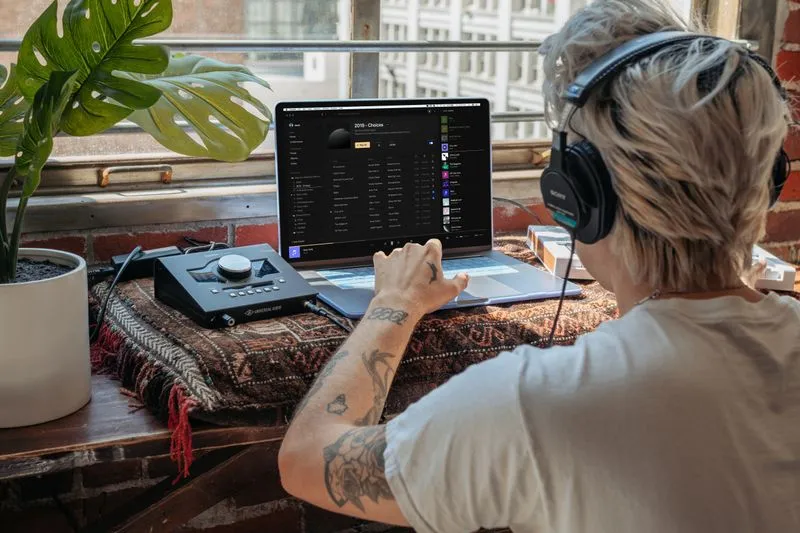
There are also genre-specific subreddits: r/indieheads, r/hiphopheads, r/electronicmusic, r/jazz. Each community has its own rituals — weekly threads on what everyone's listening to, album discussions, recommendation chains.
Music blogs and magazines: we think they're dead — they're not. Pitchfork remains a reference for indie and alternative pop (its "Best New Music" badge is worth following). The Quietus for experimental music and rock. Resident Advisor for electronic music. The Wire for the avant-garde. Crack Magazine for club and leftfield culture. These editors wade through piles of albums so you don't have to, and their shortlists are gold. And if you'd rather listen than read, our 20 must-listen podcasts for women work on the same idea: letting human voices choose for you.
Shazam in the wild and radio
There's something the streaming era has almost erased: discovering music by accident. Hearing a track in a coffee shop and being unable to sleep until you've found out who it was. That kind of serendipity is irreplaceable — and it can be cultivated.
Shazam as a habit: the trick isn't just using Shazam when you hear something you love — it's using it when something intrigues you, even before you know if you like it. The app keeps a history of everything you've identified. Once a week, go back through the list and explore: the artist, the album, their other releases. You'll regularly rediscover gems you'd otherwise have forgotten.

Radio, seriously: I know it sounds old-fashioned. But specialist radio — not generic formatted stations — is a discovery machine. BBC Radio 6 Music, as above. But also NTS, an online station broadcasting since 2011 on two live channels with no on-air advertising (to my ears, the most adventurous radio around right now), and Jazz FM if jazz is your thing. These stations have human programmers who take risks — and those risks are where discovery lives.
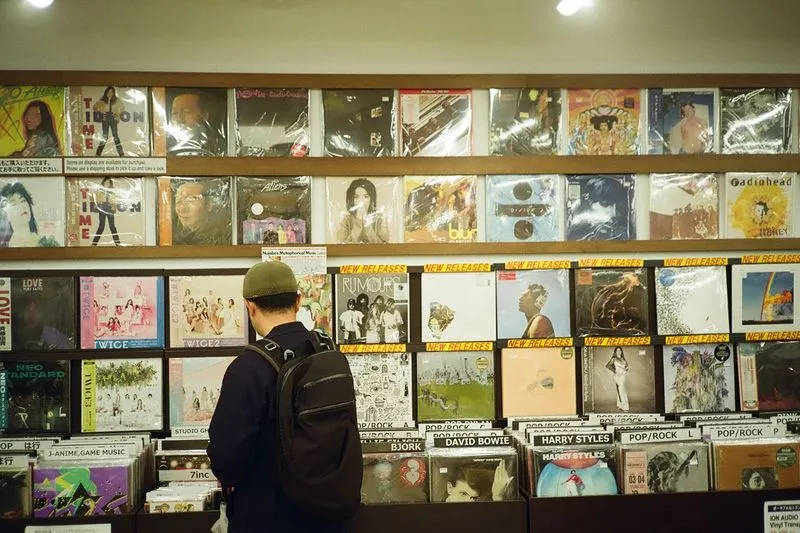
The "new in" rack at an independent record shop works on the same principle: someone chose for you, and that someone isn't an algorithm. Ask whoever's behind the counter what they're listening to at the moment. They've been waiting for someone to ask.
TV and film soundtracks: music supervisors on the best series and films are exceptional curators. Normal People, Fleabag, Succession, The Bear, Top Boy — their soundtracks are worth exploring in full. Sites like Tunefind catalogue the songs episode by episode.
Gigs, festivals and human recommendations
The most memorable musical discovery of my life was a support act I'd decided to skip while I went to get a drink at the bar. The artist started playing and I stood completely still for twenty minutes. That project is still in my daily rotation. No algorithm could have done that.
Support acts: the support act is underrated. The headline artist chose this band for a reason — a musical coherence or an affinity. Arriving early to gigs (even when the room is still half empty) becomes a very worthwhile discovery habit. And it forces you to listen without a screen, without the skip button, without preconceptions. Open mic nights work the same way, only more intimately — they're one of our 20 original weekend ideas beyond dinner and a movie.
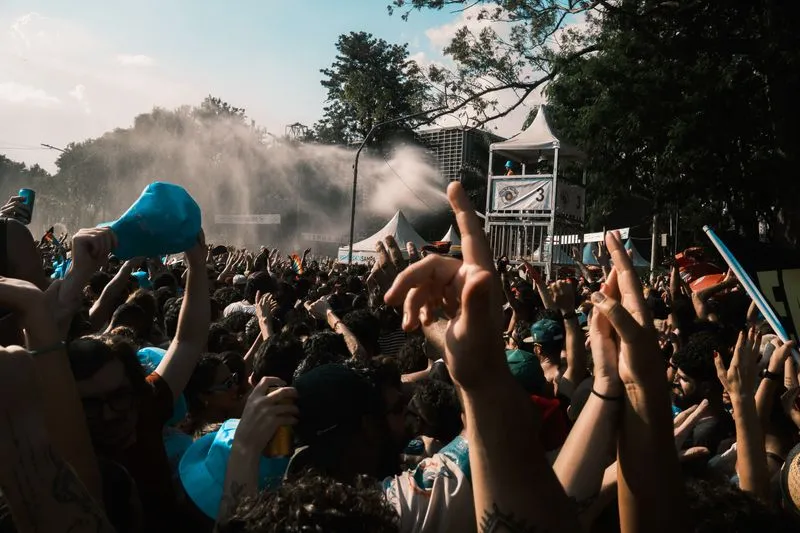
Festivals: festivals are discovery machines because they group together artists you'd never have put side by side. Programming is a human choice — artistic directors defending a vision. The smaller stages at big festivals regularly host artists who'll be headlining a few years later. Planting yourself at a small stage for an unknown act, rather than running between main stages, makes for a different — and richer — festival. If you're still planning your summer, our pick of the must-attend music festivals this summer will help you choose where to pitch your tent.
Human recommendations: probably the most effective discovery source there is — and the most neglected in the algorithm era. Asking someone what they're listening to, with real curiosity. Not just "have you heard the new Dua Lipa?" — but "what are you listening to right now that's doing something to you?"
Playlist swaps: something I recommend to all my friends. Pick a theme ("music for a rainy Sunday", "what makes you want to dance in the kitchen", "your 2024 album nobody knows"). Everyone makes a ten-track playlist (not one more). Swap. It's always revealing — about each other's taste, and about artists you'd never have crossed paths with. Our yearly version is the Eurovision night at Pauline's: out of all the songs in the final, there are always one or two that end up in my playlist (if the contest intrigues you, our complete Eurovision guide, from its history to its voting has everything you need).
Mood playlists: the method that actually works
An underused way of forcing discoveries: searching by mood or context rather than by artist or genre. The advantage? It short-circuits your usual preferences and puts you in front of sounds you'd never have consciously chosen.
On Spotify, editorial playlists have evocative names, and they're put together by people who mix known and unknown artists. Explore the ones that don't match your usual listening — Jazz Vibes if you never listen to jazz, K-Pop Daebak if you've never touched K-pop. That's often where the most unexpected discoveries land.

There are also specialist tools: Every Noise at Once (a clickable map of musical genres), Gnoosic (enter three artists you love, it suggests matches), Last.fm (which tracks your history and suggests similar artists with sometimes striking precision).
Finally, don't underestimate end-of-year lists. The "albums of the year" from Pitchfork, The Wire, The Guardian, The Quietus and Resident Advisor are built by teams of specialist journalists. Even if you disagree with their choices, they give you a map of the year's musical landscape — enough to catch up on everything you missed in a single afternoon.
Frequently asked questions
Discover Weekly vs Release Radar on Spotify: what's the difference?
Discover Weekly (every Monday) draws on your listening history and on what other listeners play — it's the algorithm saying "people who like what you like also like this". Release Radar (every Friday) recommends the latest releases you're likely to enjoy, especially from artists you follow. For discovery, Discover Weekly is more adventurous. For keeping up with your favourite artists, Release Radar is more practical.
How do I get Spotify to suggest things that are new to me?
The most effective trick: create a separate playlist dedicated to exploration, listen to artists outside your comfort zone within it, and don't skip too quickly. Spotify itself says skipping is one of the signals that shape its reading of your taste. Give a track at least until the first chorus before deciding. Actively follow artists who are new to you: that's what feeds your Release Radar. And if a suggestion really isn't for you, tell the app so rather than putting up with it.
Where can I find good music writing in the UK?
A few reliable places: The Guardian's music section for news and reviews, The Quietus for experimental music and rock, The Wire for the avant-garde, Crack Magazine for club culture, and NME for guitar music and pop. On the radio side, BBC Radio 6 Music's specialist shows work like a spoken magazine, and your local BBC Introducing show covers new artists from your area.
Is Bandcamp worth it if I don't want to buy music?
Yes. You can stream tracks in full for free, but not forever: by default, Bandcamp prompts you to buy after three full plays of the same track, and each artist can raise that limit or switch it off. The goal isn't necessarily to buy — it's to discover. If an artist moves you, buying their album is a meaningful way to support them directly. But you can start exploring without getting your card out.
How much new music should I listen to each week to broaden my taste?
There's no magic number. My rule, which is not remotely scientific: dedicate 20% of your listening time to artists you don't know yet. If you listen to ten hours of music a week, that's two hours of exploration — enough for two or three real finds when you're actively searching. Consistency matters more than intensity: fifteen minutes of exploration every day beats two hours in one go on a Sunday.
Are there apps dedicated to music discovery beyond the major platforms?
Yes, several: Soundiiz (for moving playlists between platforms, so you can explore several catalogues), Last.fm (listening history plus recommendations), Gnoosic (cross-recommendations), Every Noise at Once (genre map), Musixmatch (lyrics plus recommendations). And even TikTok — which, despite being algorithmic through and through, is very good at spotting tracks that are taking off before they hit the charts.
How do I share music with friends who have completely different tastes?
The best format: the constrained themed playlist. Propose a very specific theme ("the song that got you through lockdown", "the track you used to skip and now love") — it forces everyone out of their usual genres. The exchanges are far richer than just sharing your Spotify profile. And artists discovered through that emotional context tend to stay in your rotation far longer.
Sources
- Make Music Day UK — annual celebration of music-making on 21 June
- Spotify Research — Algorithmic Effects on the Diversity of Consumption on Spotify (2020)
- Spotify UK — Understanding recommendations on Spotify
- BBC Introducing — upload your music and find your local show
- BBC Radio 6 Music on BBC Sounds
- Bandcamp — About (artist and label share)
- Bandcamp Daily — California Wildfire Relief Fundraiser and Bandcamp Fridays in 2025
- Bandcamp Help Center — What are streaming limits on Bandcamp?
- NTS — About
- Every Noise at Once — Glenn McDonald's genre map
- Bandcamp Updates — Celebrating a Year of Music and Community (3 December 2024)