You're going to cry. Not maybe, not probably: you ARE going to cry. During the vows, during your dad's speech, during the first dance with your gran, or simply because your best friend will look at you with that face — the one she saves for moments when she's so proud she can't quite find the words. You'll cry because it's beautiful. Because it's enormous. Because it's the day of your life.
And when you cry — because it's beautiful, because it's enormous — your makeup will need to hold. That's non-negotiable.
Bridal makeup isn't ordinary makeup worn for longer. It's an entirely different discipline. Twelve to sixteen hours on your face, in extreme conditions: tears, heat, humidity, camera flash, hugs, dancing, wind, and more hugs. It's prepared weeks in advance, built in layers, and tested on camera.
This guide pulls together everything I've learned from covering dozens of weddings, testing hundreds of products, and speaking with professional makeup artists who've survived teary brides with mascara perfectly intact. No guesswork. Just what actually works.
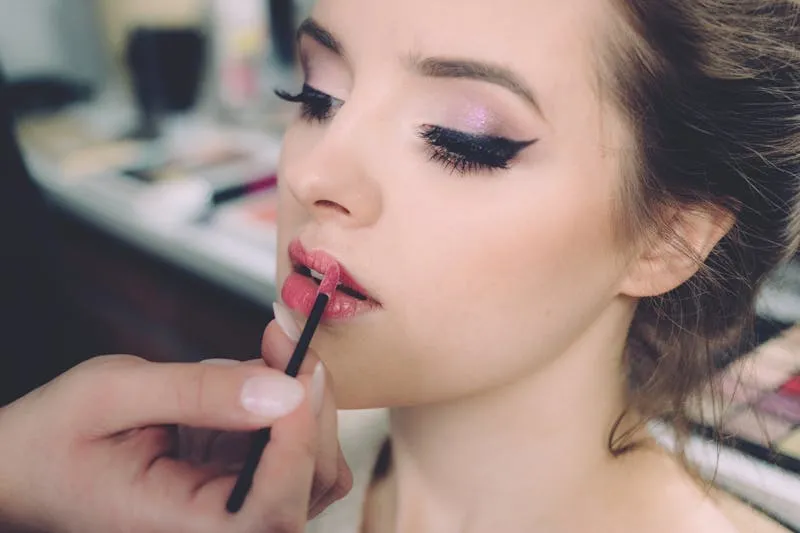
The crying test: why your makeup must hold, no exceptions
Let's start with the statistical reality: anecdotally documented by wedding photographers across the UK and beyond, around 80–90% of brides cry on the day. Often multiple times. Sometimes as early as putting on the dress in the morning. Sometimes when they see their partner at the altar. Almost always during the vows.
The problem isn't the tears. Tears are beautiful. The problem is what they do to the wrong makeup: mascara tracking in black rivulets, foundation sliding, eyeliner migrating south, skin looking shiny and patchy in every photograph.
And photographs don't lie. They capture your makeup as it is at 7pm — not as it was at 10am. That's precisely why bridal makeup is judged on its longevity, not its initial application.
⚠️ Warning: Never test a new product on your wedding day. Or the day before. Or even two days before. Allergic reactions, irritation, breakouts — skin can react unpredictably to new products. Everything used on your wedding day must have been trialled at least two weeks prior, ideally at your makeup trial appointment.
The good news: with the right techniques and the right products, bridal makeup can hold for 16 hours without major touch-ups. That's a proven fact — professional makeup artists do it every single weekend. Here's how.
Skin prep: the real secret (4–6 weeks before)
The best foundation in the world cannot rescue poorly prepared skin. And by "poorly prepared," I don't mean imperfect skin — I mean dehydrated, poorly exfoliated skin with enlarged pores and uneven texture. All of that can be addressed with the right routine, started early enough.
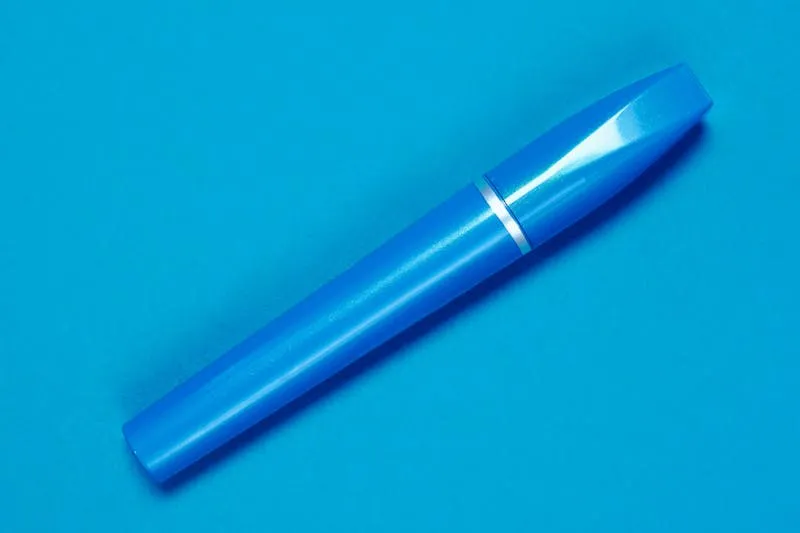
6 weeks before: establishing your routine
If you don't already have an established, consistent skincare routine, now is the time to start — but keep it simple and proven. Six weeks before the wedding, you should have:
- A cleanser suited to your skin type: gentle and hydrating for dry/sensitive skin, gel-based for combination to oily. Morning and evening, every day.
- A hydrating serum: hyaluronic acid is your best friend here. It plumps the skin, minimises the appearance of fine lines, and creates a smooth base for makeup. La Roche-Posay Hyalu B5, CeraVe Hyaluronic Acid Serum, or The Ordinary HA 2% all do the job brilliantly.
- A moisturiser: suited to your skin type. It's the foundation (no pun intended) upon which everything else rests.
- SPF in the morning: even in autumn. Sun protection prevents uneven skin tone and dark spots. Critical exception on the day: no SPF under your bridal makeup (it creates white flashback in photographs — more on that below).
4 weeks before: exfoliation and texture
Regular exfoliation — once or twice a week — makes a spectacular difference to how foundation wears. It eliminates dead skin cells that cause foundation to look flaky and patchy. Two options:
- Chemical exfoliation (recommended): AHA acids such as glycolic or lactic acid. Less aggressive than physical scrubs, more even results. The Ordinary Glycolic Acid 7% Toning Solution, Pixi Glow Tonic, Paula's Choice BHA.
- Gentle physical exfoliation: sugar scrub, konjac sponge. Never harsh grains that create micro-tears.
💡 Kristina's tip — Book at least one professional facial in the 6 weeks before the wedding. It doesn't need to be a luxury treatment: a thorough cleanse with extraction makes a visible difference to how foundation sits on the skin. But never within 10 days of the big day — skin needs time to recover from professional extractions.
The final 2 weeks: absolute stability
The golden rule: no new products in the two weeks leading up to the wedding. Not even the "miracle" serum your maid of honour swears by. Not even a "natural" face mask. Skin can react unpredictably to any new product, and two weeks is too short a window to identify and manage a reaction.
Stick to your established routine. Moisturise intensely in the evenings. Drink enough water — a well-hydrated complexion genuinely holds makeup better. Sleep properly — dark circles and a dull complexion are notoriously difficult to conceal.
The layering technique: building your makeup coat by coat
The secret to bridal makeup that lasts all day is layering — building up thin, lightweight coats rather than applying one thick layer. The classic mistake is applying too much product at once: it may seem full-coverage initially, but it cracks, slips, and collects in fine lines far sooner.
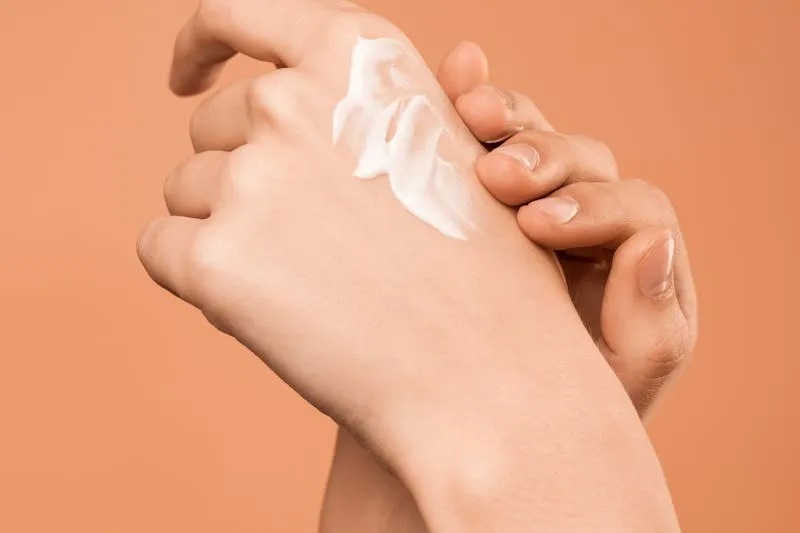
The correct sequence for bridal makeup that holds:
- Primer: preps the skin, creates a uniform surface, extends the wear of everything that follows
- Concealer: targeted to areas that need it (dark circles, redness, blemishes)
- Long-wear foundation: applied in a thin, buildable layer
- Setting powder: sets the foundation and mattifies high-risk areas
- Setting spray: seals everything in place, re-hydrates if needed
Between each coat: allow to dry, or "press" (pat gently) to avoid disturbing the layer beneath. Never rub — that's rule number one of makeup that lasts.
Primer: choosing the right type for your skin
Not all primers are equal, and choosing the wrong one can undermine longevity before you've even begun. Three main families:
- Mattifying primer (combination to oily skin): controls sebum, reduces shininess. Smashbox Photo Finish, NYX Professional Pore Filler.
- Hydrating primer (dry to normal skin): luminous base that prevents foundation from cracking. Charlotte Tilbury Wonderglow, Laura Mercier Foundation Primer Hydrating.
- Colour-correcting primer: green for redness, lavender for dullness. Applied under the base primer if needed.
⚠️ Incompatibility warning: Never mix a silicone-based primer with a water-based foundation, or vice versa. Incompatible formulas don't "grip" each other and will peel after a few hours. When in doubt: use primer and foundation from the same brand, or verify that both are either water-based or silicone-based.
Foundation: long-wear formulas, application, mistakes to avoid
Foundation is the cornerstone of bridal makeup. It must hold, cover what needs covering (without masking the skin), and photograph well — in natural light, indoors, and under flash.
The formulas to look for
For brides, long-wear formulas with buildable coverage are ideal. In practice, that means:
- "Long-wear" or "24-hour" foundation: these marketing claims aren't always honest, but the formulas that carry them generally offer better longevity than standard formulas. Charlotte Tilbury Airbrush Flawless (a genuine UK bridal staple), NARS Natural Radiant Longwear, MAC Pro Longwear, Bobbi Brown Skin Long-Wear Weightless Foundation.
- Fluid or lightweight foundation: easier to modulate, less risk of a "mask" effect. Build coverage in layers.
- Satin or semi-matte finish: full-matte can look flat in photographs; full-glow can be too shiny indoors. Satin is the best wedding compromise.
The SPF and flash photography rule
An important technical point that many brides miss: SPF in makeup products creates white flashback in flash photography. This happens because UV filters reflect the light from camera flash. In wedding photos, this translates to a face that appears significantly lighter — sometimes almost white — than the rest of the body.
The rule: no SPF products on the face on your wedding day if you have a photographer using flash. Not in your foundation, BB cream, powder, or primer. Your morning SPF should be thoroughly removed before makeup application.
💡 Kristina's tip — To find your perfect foundation shade, always swatch along the jawline (not the wrist). The shade should "disappear" into your skin — neither lighter nor darker. If you're torn between two shades, go lighter in summer (a tan can shift things) and warmer-toned in winter (avoid the grey ghost effect). And blend! Many professional MUAs mix two shades of the same foundation for a perfect, bespoke match. Charlotte Tilbury's Flawless Filter is brilliant as a pre-foundation skin-prep that also helps with this.
Application: the tools that make the difference
Three options, three different results:
- Damp sponge (Beautyblender or equivalent): the most natural, skin-like finish. The sponge must be damp (wrung out, not soaking) to avoid absorbing too much product. Pat, never rub.
- Flat foundation brush: higher coverage, more "made-up" finish. Ideal for areas needing more cover. Finish with the sponge to blend away brush marks.
- Fingers: possible for a very natural result on smooth skin, but the warmth of your fingers can melt foundation too quickly in warm weather.
Eyes: waterproof everything, no exceptions
Your face will cry. Your eyes, in particular, will not forgive standard formulas. The rule for bridal eye makeup is simple: waterproof everything, without any exceptions.
Eye primer: the most overlooked step, and the most crucial
Before any eye makeup, an eyeshadow primer is indispensable for the bride. Without it, eyeshadow migrates into the crease within a few hours, creating unflattering grey halos. With it, colours stay intense and in place all day. Urban Decay Eyeshadow Primer Potion is the benchmark. Charlotte Tilbury's Eyes to Mesmerise (cream eyeshadow) also functions brilliantly as a base.
Eyeshadow
Two schools of thought on the "neutral vs dramatic" debate for bridal makeup:
- Neutrals: champagnes, taupes, warm browns, rose golds. Timeless in photographs, won't look dated in ten years, work with every dress and every style. This is the safe choice — and there is absolutely nothing wrong with that. Charlotte Tilbury's Pillow Talk palette was practically designed with brides in mind.
- Dramatic: smoky eyes, graphic liner, colour. If this is your everyday aesthetic, it's equally valid. The secret: stay true to who you actually are. A wedding makeup that looks like you will hold better emotionally than a "ceremonial" look you don't recognise yourself in.
For both: choose eyeshadows with long-wearing or waterproof formulas. Charlotte Tilbury Luxury Palette, Urban Decay Naked, Too Faced Natural Love, MAC Eyeshadows.
Eyeliner and mascara
For eyeliner: waterproof formula, non-negotiable. Waterproof liquid liner is the most resistant; waterproof pencil liner is easier to blend for a softer look. Avoid kohl alone without a fixative — it migrates almost inevitably.
For mascara, two options:
- Waterproof mascara: Lancôme Hypnôse Waterproof, Charlotte Tilbury Legendary Lashes Waterproof, Maybelline Lash Sensational Waterproof (excellent value), L'Oréal Telescopic Waterproof.
- Lash extensions or strip lashes: eliminate the smudged mascara risk entirely. Semi-permanent lash extensions last 3–4 weeks and hold through tears. Strip lashes applied by your MUA on the day are a brilliant option and require no mascara on top.
💡 Kristina's tip — Lisa Eldridge, the legendary British makeup artist, recommends using a waterproof mascara on the lower lashes only, and a regular volumising mascara on the upper lashes topped with a waterproof coat. The logic: the lower lashes are where smudging is most visible, and the technique gives you the best of both worlds — intense volume on top, zero risk of raccoon eyes below.
Lips: staying power techniques and shade selection
Lips are the zone requiring the most touch-ups throughout the day — drinking, eating, kissing. But there are techniques that can dramatically reduce how often you need to refresh.
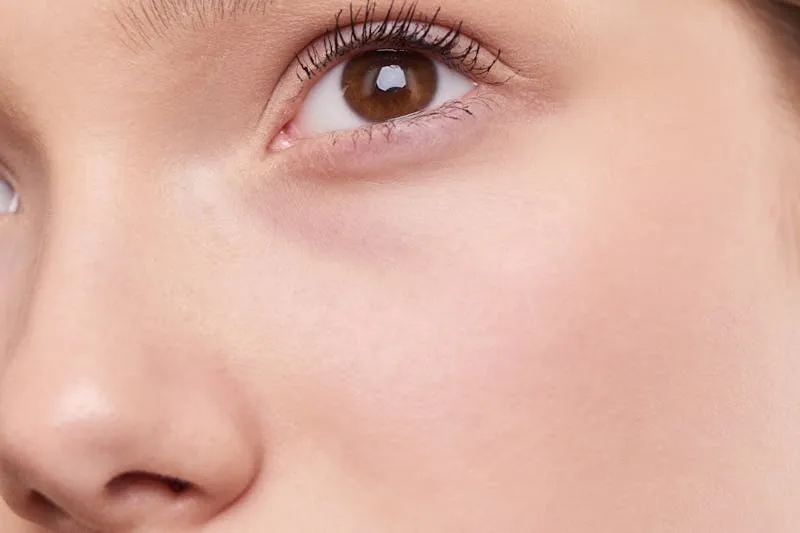
The professional technique in 4 steps
- Lip liner as a full base: fill the entire lip with a lip liner matching your chosen colour (or a nude). This isn't just about the outline — it's the base layer that makes everything else last. Charlotte Tilbury Lip Cheat in Pillow Talk is practically bridal royalty. MAC Lip Liner in Whirl or Soar are classics.
- Long-wear lipstick: applied over the liner. One coat, not two — excess product migrates faster. Charlotte Tilbury Matte Revolution (Pillow Talk = the bridal shade), NARS Powermatte, MAC Powder Kiss.
- Blotting: place a tissue over the lips and blot gently. This removes excess product that hasn't bonded to the skin.
- Second light coat: over the blotted base, a second thin coat to revive the colour and add a touch of shine if desired.
Choosing the right shade
For weddings, several colour families work depending on your style:
- Nude-pinks: the safe bet. Choose a nude slightly deeper than your natural lip colour for a natural-but-defined effect. Charlotte Tilbury Pillow Talk — a rose-mauve that flatters virtually every skin tone — is the bridal shade in the UK and for excellent reason.
- Reds: glamorous and timeless. A blue-toned red (NARS Jungle Red, Charlotte Tilbury Very Victoria, Dior 999) is more flattering on most skin tones than an orange-red. It also makes teeth appear whiter.
- Bright pinks: fresh and modern. Choose a shade suited to your undertone — cool pinks can wash out very fair complexions.
- Berry and plum: sophisticated and stunning for autumn-winter weddings. Photographs beautifully and holds well with the liner-base technique.
Absolute rule: test the shade at your makeup trial, in natural light AND indoors AND in photographs.
Setting: powder, spray, and zone-by-zone technique
Setting is the step many brides underestimate — or overestimate, believing a single "magic" spray will do all the work. The reality is more nuanced.
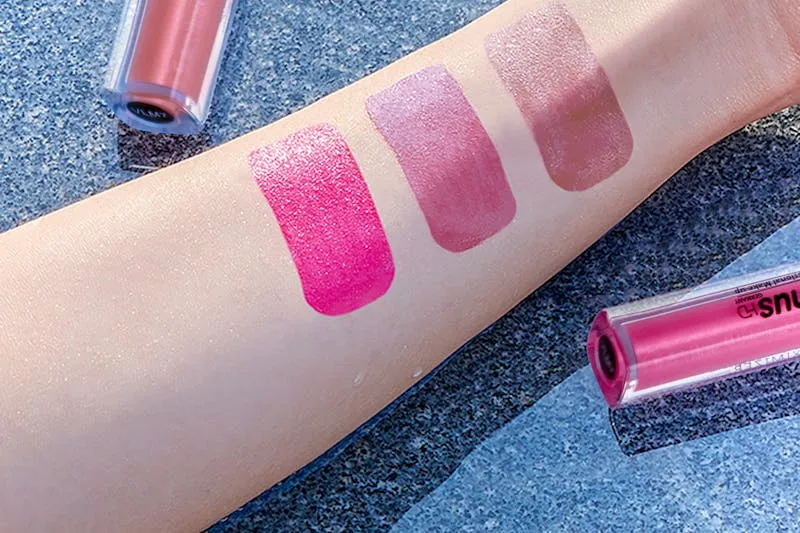
Translucent powder: which zones need it?
Translucent powder sets foundation and controls shine. But it shouldn't be applied the same way everywhere:
- T-zone (forehead, nose, chin): generous powder application. This is where sebum is most active and where shine breaks through first.
- Cheeks: light application, or none at all on dry skin. Too much powder on the cheekbones can accentuate dryness and fine lines.
- Under the eyes: the "baking" technique (leaving translucent powder for 5–10 minutes before buffing away) can work for oily skin types but often looks cakey on dry or mature skin in photographs.
References: Laura Mercier Translucent Setting Powder (the absolute classic — lightweight and invisible), Charlotte Tilbury Airbrush Flawless Finish, RCMA No-Colour Powder (the professional film and photography standard — specifically designed to be flash-friendly).
Setting spray: which one, how?
Setting spray is the final step that seals everything in place. Two main families:
- Setting spray: fixes and extends wear. Urban Decay All Nighter is the benchmark (16-hour wear claim, regularly validated in practice). NYX Matte Finish Setting Spray is an accessible alternative.
- Refreshing/finishing spray: re-hydrates and gives a fresher finish. MAC Fix+ is the archetype — it can also be spritzed onto brushes to intensify eyeshadow colour.
Application technique: hold the bottle 30cm from your face and spray in a cross pattern (top-to-bottom, left-to-right) and a "T" pattern (forehead-nose-chin). Never rub. Allow to air-dry for 30–60 seconds.
💡 Kristina's tip — The "sandwich" technique is the one preferred by professional bridal MUAs: powder → spray → powder → spray. Start with a coat of powder, a first spray, then a second light layer of powder to eliminate any remaining shine, followed by a final spray. The result is two-layer setting that resists (almost) everything. UK-based MUA Hannah Martin swears by Urban Decay All Nighter as the final step for weddings and editorial work alike.
The touch-up kit: what to pack, who to hand it to
Even with the best makeup in the world, a few light touch-ups will be needed over a 14–16 hour day. The key: pack a compact kit and hand it to the right person.
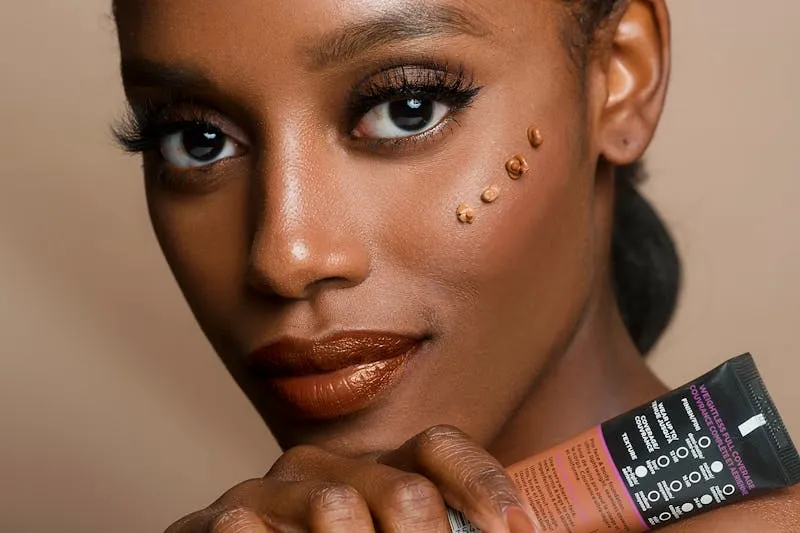
What the ideal touch-up kit contains
- Blotting papers: to dab excess shine without adding product. Clean & Clear Blotting Film, Boscia Blotting Linens.
- Compact translucent powder: to mattify when blotting papers aren't enough. Travel-sized version of the same product used in the morning.
- The lipstick worn in the morning — and the matching lip liner.
- A concealer: stick or small pot format, for minor emergencies.
- The setting spray: a few spritzes after any touch-up to reseal.
- Cotton buds: to correct smudges without disrupting the makeup around them.
- Neutral eyeshadow: a small palette with the neutral used in the morning, to refresh if needed.
- Waterproof mascara: in case lashes have suffered from tears.
Who to hand it to
Fundamental rule: the touch-up kit does not stay in the bride's handbag. She won't have time, inclination, or often free hands to manage it. It goes to:
- The chief bridesmaid: the one who knows the chosen makeup best and will be closest to the bride throughout the day. Ideally, she attended the makeup trial.
- The wedding planner: if you have one, this falls squarely within her remit.
- The makeup artist: some MUAs stay for the ceremony and then leave. If so, a thorough kit briefing before they go.
The makeup trial: when, how, and why it's non-negotiable
The makeup trial isn't a luxury. It's a professional step that serves several essential functions: testing longevity, validating products, ensuring the result matches the bride's vision, and identifying necessary adjustments before the day itself.
When to book the trial
The ideal timing: 6–8 weeks before the wedding. In the UK, most professional bridal MUAs will charge £50–150 for the trial, which is then credited against the wedding day fee (typically £300–600 for bridal makeup in 2024). Why 6–8 weeks?
- Close enough that your skin is in its seasonal norm
- Far enough to allow time to source any recommended products and test them for the required two weeks
- Enough time to rebook if the result isn't quite right
What to test at the trial
- The full look — skin, eyes, lips — in the shades and style planned for the wedding
- Longevity over at least 4–6 hours (go out, walk around, be in natural light)
- How it photographs: natural outdoor light, indoor, and with flash if possible
- How it works with the dress and hair (if possible)
💡 Kristina's tip — At the end of the trial, take photographs in conditions as close to your wedding as possible (outdoors if you have an outdoor ceremony, indoors in a reception-style setting). Send them to someone you trust who wasn't there that day. Their feedback will be more objective than yours. And ask yourself: is that you in those photos? Do you recognise yourself? If yes, that's a very good sign. If the look feels "too done" or "not quite me," say so to your MUA — that's exactly what the trial is for.
Product recommendations: high street vs prestige, by category
A curated selection by category, with an accessible option and a prestige option — because the wedding budget is already stretched enough elsewhere.
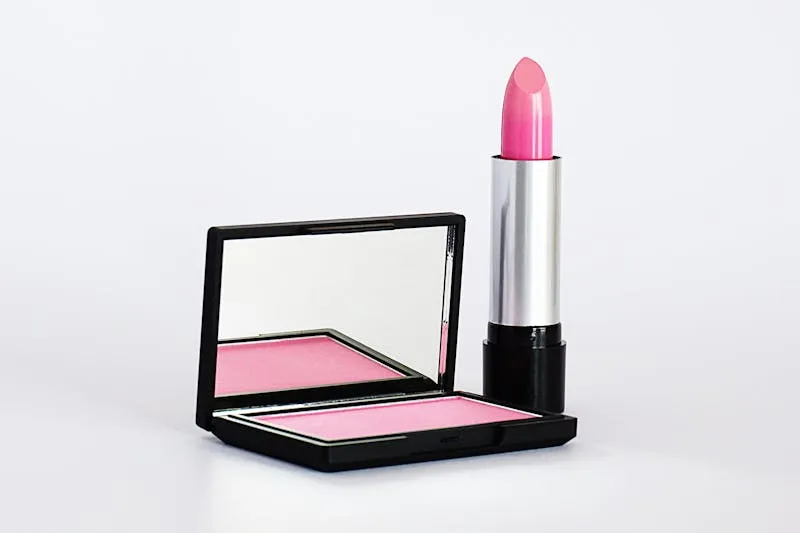
| Category | High street option | Prestige option |
|---|---|---|
| Face primer | NYX Professional Pore Filler (~£10) | Charlotte Tilbury Wonderglow (~£39) |
| Foundation | L'Oréal Infallible 32H (~£13) | Charlotte Tilbury Airbrush Flawless (~£44) |
| Concealer | Maybelline Fit Me Concealer (~£7) | NARS Radiant Creamy Concealer (~£28) |
| Setting powder | Rimmel Stay Matte (~£5) | Laura Mercier Translucent Setting Powder (~£35) |
| Eye primer | NYX Pro Eye Shadow Primer (~£8) | Urban Decay Eyeshadow Primer Potion (~£20) |
| Eyeshadow | Revolution Iconic Nude (~£9) | Charlotte Tilbury Pillow Talk Palette (~£49) |
| Waterproof mascara | Maybelline Lash Sensational WP (~£10) | Charlotte Tilbury Legendary Lashes WP (~£28) |
| Lip liner | NYX Professional Makeup Slim Lip Pencil (~£5) | Charlotte Tilbury Lip Cheat in Pillow Talk (~£22) |
| Lipstick | Maybelline SuperStay Matte Ink (~£10) | Charlotte Tilbury Matte Revolution in Pillow Talk (~£29) |
| Setting spray | NYX Matte Finish Setting Spray (~£9) | Urban Decay All Nighter (~£28) |
My budget recommendation: invest in the foundation and setting spray (these make the biggest difference to longevity), and save on mascara and powder (the high street options are genuinely on par).
FAQ — Bridal Makeup
Do I need to hire a professional makeup artist for my wedding?
No, it's not strictly necessary — but it's strongly recommended. A professional MUA understands longevity techniques, the right products for the occasion, and has experience working under the emotional conditions of a wedding day. If you're doing your own makeup, ensure you've done multiple practice runs in real conditions (including testing how your makeup holds after crying, if you can manage it) and have a comprehensive touch-up kit. The hybrid approach — professional MUA for the application, you handling touch-ups — is also very workable. UK bridal makeup artists typically charge £300–600 for the day; the trial is usually £50–150 credited against that fee.
How far in advance should I start my skincare prep?
Ideally 6 weeks. That's the time needed for a new skincare routine to produce visible improvements in skin texture and radiance. If you're starting later (4 weeks or fewer), keep it simple: cleanse, moisturise, and gentle exfoliation once a week. Complex routines with potent actives (retinol, high-percentage acids) need weeks of skin adaptation and can cause reactivity if introduced too close to the wedding.
How do I avoid the "mask" foundation effect in photographs?
Three rules: 1) No SPF products on the face (they create white flashback under camera flash). 2) Match your foundation shade exactly to your skin — not lighter. 3) Apply in thin layers with a damp sponge rather than one thick coat. The classic error is choosing a foundation lighter than your actual skin tone thinking it will look more "glowing" — under flash, the result is a face that appears unnaturally pale against the neck and chest.
Can I wear false lashes if I don't normally?
Yes, but with precautions. Strip lashes applied by your MUA on the day are a wonderful option for weddings — they eliminate the smudged mascara risk, add volume without necessarily looking artificial, and last through the day. However, they must be tested at the trial to ensure the style suits the shape of your eyes and that you're comfortable wearing them. Some people find them uncomfortable or distracting. The trial test is non-negotiable.
What if I cry and my makeup runs despite everything?
First: don't rub. Ever. Blot gently with a clean cotton bud or a folded tissue. The touch-up kit exists for exactly this scenario. Concealer can "re-paint" areas where mascara has tracked. A cotton bud dampened with micellar water can clean fine smudge lines. And if the makeup is genuinely compromised: the maid of honour steps in with the kit, and a professional MUA can have everything looking immaculate again within five minutes.
Are there products to absolutely avoid for bridal makeup?
Yes: SPF products (white flashback in photos), non-waterproof mascara, very liquid glosses on the lips (they bleed and create a blurred outline), incompatible primers and foundations (silicone + water-based), and any new product trialled less than two weeks before the wedding. Also avoid: heavy shimmer directly under the eyes (it accentuates fine lines and dark circles as the day wears on) and anything you've never worn before the trial.
Sources & references
- Vogue UK Beauty — The Best Bridal Makeup Tips, According to the Pros (vogue.co.uk, 2023)
- Hitched.co.uk — Bridal Makeup Guide: Everything You Need to Know (hitched.co.uk, 2023)
- Charlotte Tilbury — The Bridal Beauty Edit: Charlotte's Top Tips (charlottetilbury.com, 2023)
- Lisa Eldridge — Wedding Makeup: How to Make It Last All Day (lisaeldridge.com, 2022)
- Bobbi Brown — Bridal Makeup Guide (bobbibrowncosmetics.com, 2022)