Every January, the same articles drop: "THE wedding trends of the year." And every year, we're promised that THIS year, blush pink is finally dead, rustic barn weddings are over, and neon-industrial is the future. Spoiler: blush pink survives everything (like cockroaches). But 2025 does bring real shifts — and some of them are genuinely exciting.
I've spent the past few weeks deep-diving into Pinterest Predicts, Hitched's annual report, Rock My Wedding features, stalking wedding planners' Instagrams you haven't heard of yet, and chatting with brides planning 2025 weddings. The result: an honest, no-fluff panorama of what's actually defining UK weddings this year.
Decor: the end of the matchy-matchy era
For years, the brief for a wedding was simple: pick ONE colour, ONE texture, ONE metal finish, and repeat it on everything — from the napkins to the favour tags. The result? Weddings that all looked the same. Instagram-perfect but utterly soulless.
In 2025, that's over. The most interesting wedding planners are talking about "curated eclecticism": tables that mix champagne gold and brushed silver, organic asymmetric floral arrangements that embrace beautiful chaos, mismatched vintage crockery sourced from car boot sales. The goal? A wedding that looks like the couple's home — not a brochure.
Mixed metals
Gone is the rule of "one metal per wedding". The most striking tables of 2025 mix rose gold, copper, burnished brass and occasionally silver. What once seemed a style mistake is now a signature move. The key: keep coherence in warmth (warm tones together, cool tones together) rather than matching materials precisely.
The fresh flower comeback (and the dried flower backlash)
Dried flowers had their moment — and they deserved it. They're beautiful, budget-friendly, sustainable. But they've been so overused that some brides are now categorically refusing them. In 2025, fresh flowers are back with a new attitude: less constructed, more wild. Eucalyptus branches that spill over the edges, peonies that arch dramatically, long-stemmed garden roses with natural curves.
The big tension: maximalism vs minimalism
Here's 2025's real creative tension: on one side, full-on maximalism (tables piled with candlesticks, flowers, vintage crockery, cascading greenery); on the other, radical minimalism (one long bare table, two vases, a single candle). These two aesthetics coexist beautifully. What's truly dead is the safe middle ground — neither one nor the other, just forgettable filler.
Statement lighting
In 2025, lighting isn't a detail — it IS the detail. Fairy lights have overstayed their welcome (ten years is enough), giving way to something more architectural: brass chandeliers hired for the evening, dozens of pillar candles at varying heights, Edison bulbs at different levels, soft amber or violet wash lighting that transforms a venue. If you have to pick one single decor investment, make it the lighting. It changes absolutely everything in photos.
UK venues particularly suited to this approach: converted warehouses in East London, Scottish castle ballrooms, Cotswolds barn conversions, and the increasingly popular walled garden venues across the South East.
Dresses & outfits: finally, proper freedom
The classic white lace gown remains a timeless choice — no one will judge you for it. But 2025 is opening doors that were firmly shut even a few years ago. And some of those doors lead somewhere genuinely interesting.
Detachable elements: one dress, two looks
The most practical (and cleverest) trend of 2025: dresses with detachable elements. Tulle sleeves that come off after the ceremony, a dramatic overskirt for the aisle that you ditch for dancing, a statement cape for the photos. It's the answer to the eternal question: "but won't I be boiling on the dance floor?" The 2025 bride does her ceremony in full drama mode, and her reception in movement mode. Two looks for the price of one.
UK designers leading this trend: Halfpenny London (famous for their separates approach), Temperley London, and Jenny Packham's more architectural pieces.
Coloured wedding dresses: no longer a statement of rebellion
White remains the majority choice. But dresses in champagne, deep ivory, soft lavender and pale periwinkle blue are genuinely mainstream now. No more shocked family members, no more mother-in-law drama. The non-white palette is becoming an elegant, considered choice. In 2025, the tones that work best: soft lavender (extraordinarily photogenic in natural light), deep champagne (warmer than classic ivory) and a barely-there sky blue (bold but not aggressive).
The power suit for brides
The bridal suit is no longer a magazine editorial curiosity — it's a real choice being made by real brides. In 2025, white, champagne, or even black trouser suits are establishing themselves as elegant alternatives. Stella McCartney and Galvan London offer beautiful tailored silhouettes. The advantage: it can be reworn, restyled, made your own after the wedding. The disadvantage: prepare yourself for Uncle Derek's opinions.
Guest dress codes: clarity is kindness
In 2025, more and more couples are including dress code guidance in their invitations — and it's genuinely helpful. Not a list of prohibitions, but a colour palette or mood board. "We love deep autumnal tones." "Please avoid white and cream, everything else is welcome." This kind of guidance prevents wardrobe disasters and gives guests a creative framework rather than a restriction.
Colours: butter yellow, jewel tones and the death of sage green
Butter yellow: the colour of the year
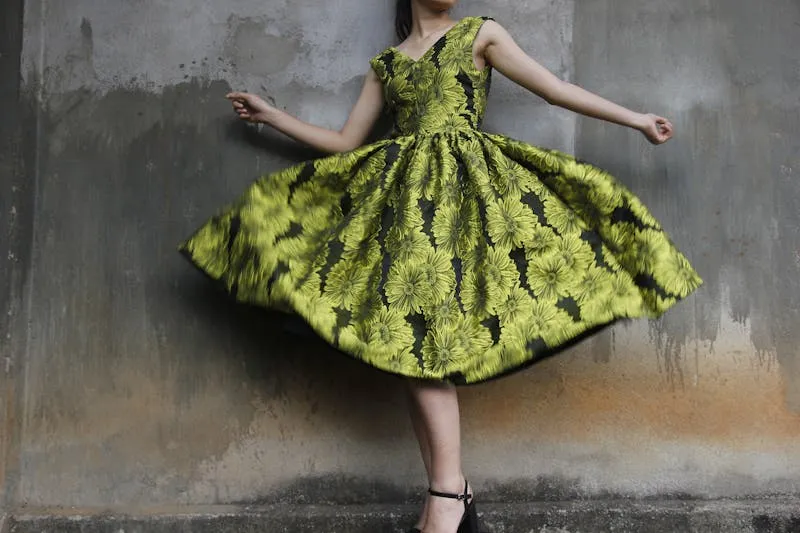
If Pinterest Predicts and Brides Magazine UK agree on one thing, it's this: butter yellow is THE colour of 2025. Not the aggressive mustard yellow of the 2010s, not electric lemon. A very soft, very warm, almost creamy yellow. Think mimosa flowers, ranunculus, lightly tinted sunflowers. It pairs beautifully with warm whites, terracotta, and soft green.
Jewel tones for autumn and winter
For autumn and winter 2025 weddings, deep saturated tones are taking over: burgundy, sapphire, emerald, amethyst. After years of desaturated, dusty palettes, jewel tones bring a visual richness that photographs magnificently by candlelight. A word of caution: these tones need a venue that can hold them — a country house or a raw-walled converted factory. In a standard beige function room, jewel tones can come across as overwhelming.
Sage green fatigue
I say this with affection because I genuinely loved sage green — but it's exhausted. Three years of sage green + eucalyptus + natural linen, and now every wedding feels identical. If you loved this palette, two options: push it to its extreme (near-khaki, very wild greenery, zero linen visible), or move on. Green remains relevant in 2025 — just in bolder, more unexpected versions.
Tonal: everything in one colour family
A quieter but powerful trend: the near-monochrome wedding. Everything in tones of white (cream, ivory, off-white, optical white), everything in nudes (champagne, sand, light caramel), everything in green (pale sage, eucalyptus, moss). The effect is supremely sophisticated and endlessly photogenic. The challenge: finding suppliers who actually understand the nuances of shade — harder than it sounds.
Food: sharing, not impressing
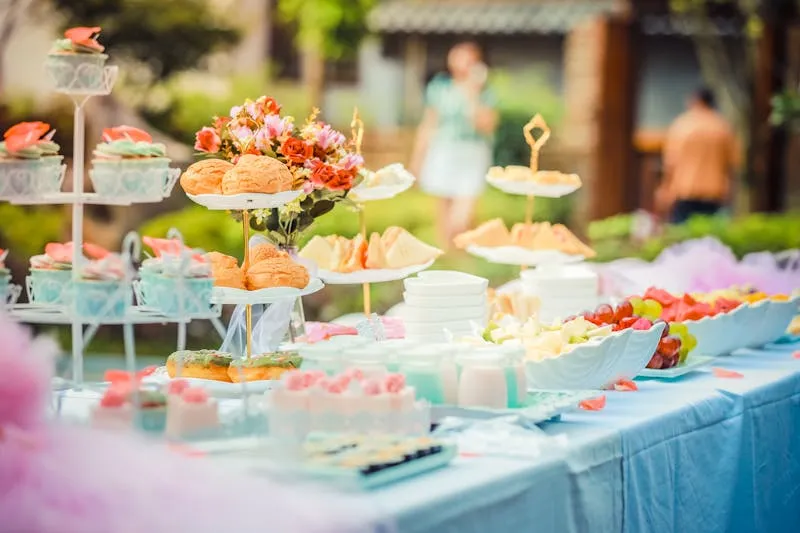
The ten-course seated dinner is behind us — mostly. Some weddings still do it beautifully. But in 2025, the direction is towards eating less formally and more joyfully.
Family-style sharing
Large platters placed in the centre of the table, passed around by guests. Artisan breads, whole roasted joints carved tableside, seasonal roasted vegetables. The effect is immediate: the table comes alive, people talk to each other, the atmosphere becomes festive before dessert even arrives. It's also easier on dietary requirements — guests take what suits them. And yes, it's generally more cost-effective than plated service per head.
Global fusion cuisine
Gone are the days when a wedding menu meant the same thing regardless of who was getting married. In 2025, couples are proudly reflecting their actual tastes and cultural backgrounds. A cocktail hour of yakitori and mezze before a French-Moroccan main? Absolutely. A dessert table mixing mochi, churros and shortbread? Brilliant. Wedding food is becoming a portrait of the couple — which is exactly what it should be.
UK caterers are increasingly comfortable with this direction, particularly those based in London and other major cities. Ask specifically about their experience with fusion menus — not all traditional country house caterers are there yet.
Cocktail-only receptions
No seated meal: just roaming food stations throughout the evening. This trend is crossing from the US to the UK, and the budgets work out well (a seated dinner per head typically costs 30-50% more than an elaborate cocktail reception), as do the guests (eat when you want, circulate, socialise). The critical point: communicate it clearly. Guests expecting a sit-down dinner who find only canapés will be — legitimately — confused.
Interactive food stations
An oyster bar with a live shucker. A fresh pasta station with a chef. A cocktail bar where the mixologist personalises each drink. These stations are simultaneously a service and an entertainment — guests gather, chat with the artisan, linger. It's also an excellent icebreaker for tables of guests who don't yet know each other.
Particularly popular UK adaptations: afternoon tea stations (very British, very charming), pie and mash stations for late evening, and grazing tables that lean into the UK's exceptional artisan cheese scene.
The late night snack
After midnight, when everyone's been dancing for two hours and the drinks have flowed, bringing out chips in cones, mini burgers, or hot soup shots has become a beloved tradition at weddings that run through the night. It's convivial, it extends the evening, and it's often the moment guests talk about years later. Several UK caterers now offer dedicated midnight snack packages.
Entertainment & guest experience: the immersive era
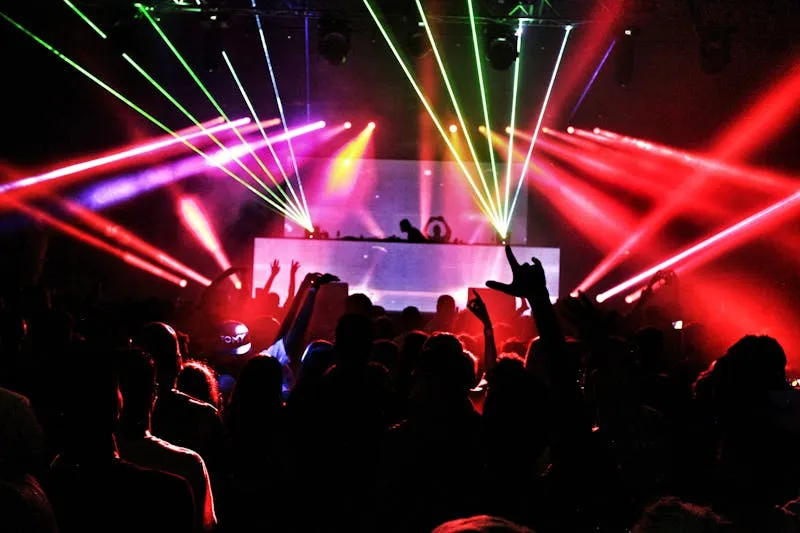
A DJ, a photo booth and a dance floor: that's no longer enough. Not because these things are bad, but because your guests have already experienced them at ten other weddings. What stays in the memory in 2025 is the unique experience — the one they haven't seen anywhere else.
Live painting
An artist who paints the ceremony or reception in real time, in front of all the guests. By the end of the evening, the couple leaves with an original painting — which will become the most treasured memory of the day. Guests gather to watch the painting evolve, chat with the artist, marvel at the process. It's simultaneously entertainment and a work of art. Budget: roughly £600 to £2,000 depending on the artist and format.
Immersive experiences
Mystery games built around the couple's story (guests solve clues about how they met). A collective mural that every guest contributes to. A photo booth with themed props tied to the couple's history. Lawn games (croquet, boules, giant Jenga) in the venue grounds. The guiding principle: give guests something to do, not just something to see.
For UK weddings specifically, ceilidh bands remain a wonderful high-energy option — particularly for Scottish weddings or any couple who wants to get everyone on the floor regardless of dancing ability. The "no experience required" nature of ceilidh is its secret weapon.
Personalised and collaborative playlists
The DJ remains relevant — but 2025 couples are more involved in the music. Rather than delegating everything, many build a playlist of their own favourites and give guests the option to add tracks via a collaborative playlist app (Spotify enables this natively). The result is an evening that feels musically personal — and often far more eclectic and surprising than a standard DJ set.
Photo and video booths with instant sharing
The classic photo booth with a print-out is past its prime. In 2025, booths share directly to Instagram or via SMS, create a shared online album accessible to all guests, and offer personalised filters or frames in the wedding's colour palette. It's no longer just an entertainment prop — it's a collective memory-making tool.
Micro-weddings: the post-pandemic legacy that's here to stay
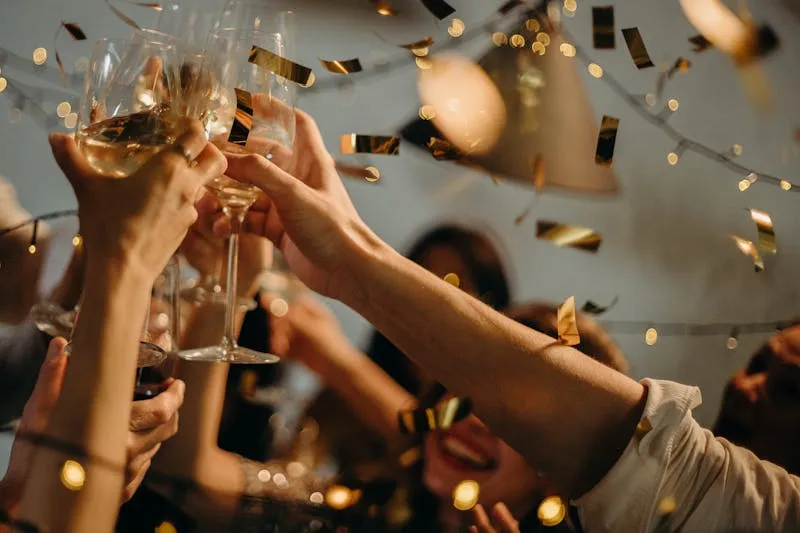
We assumed that micro-weddings — born of pandemic necessity — would disappear once restrictions lifted. Wrong. In 2025, the intimate wedding (20 to 40 guests) continues to attract couples who weren't forced into it, but who actively chose it.
The logic is simple: with 30 guests instead of 150, you can multiply the per-person budget by five. Which means a Michelin-starred restaurant instead of a function suite, a specialist caterer instead of a standard package, abundant fresh flowers instead of minimal decoration, and above all — genuine time with every single person present.
The micro-wedding isn't a budget compromise. It's a wedding that makes radical choices about what actually matters.
Eco-conscious: no longer a trend, a baseline
Sustainability is no longer a marketing argument — it's a genuine selection criterion for a generation of couples who can't look away from their wedding day carbon footprint.
Vintage and pre-loved dresses
The pre-loved bridal dress market has exploded. STILLWHITE, Oxfam Bridal, Still In Love (UK's largest second-hand bridal platform) — the options are numerous and the quality is increasingly impressive. In 2025, buying a once-worn dress isn't a reluctant compromise. It's a style statement: a 1970s or 1990s vintage gown has a character no contemporary designer can replicate to order.
Local and seasonal flowers
Peonies in the middle of winter, tulips in July — possible, but imported from considerable distances at considerable CO₂ cost. Engaged florists in 2025 work with UK growers and propose seasonal compositions that shift month by month. A creative constraint that often produces the most beautiful results. British flowers — sweet peas, dahlias, foxgloves, wildflowers — are having a genuine moment.
Digital invitations (finally accepted)
After years of traditional family resistance, the digital wedding invitation is now accepted — even expected — for preliminary communications. The digital save-the-date is the norm. The paper invitation remains lovely for the formal announcement, but even there, recycled papers, plant-based inks and reduced formats are becoming standard.
Zero-waste catering
Anti-food-waste caterers are growing in number: pre-prepared doggy bags for guests to take home, organic waste composting, partnerships with food recovery charities for leftovers. Some now offer a post-event waste report. Ask your caterer what they do about food waste management — if the question surprises them, that tells you everything you need to know.
What's dead (Kristina's honest kill list)
The section nobody dares write but everyone's waiting for. Here's my 2025 kill list — based on genuine observation, not trend-baiting.
Mason jars as vases. Flowers stuffed into jam jars had genuine charm on Pinterest in 2012. Now they look like a wedding organised with grandma's kitchen cupboards. If you want that rustic feel, there are far more elegant options.
"Live, Laugh, Love" signs. Or their British equivalents. Over. Same goes for all the obvious calligraphed messages on chalkboards and driftwood panels.
Matching bridesmaids outfits. Identical dresses in the same colour, same cut, on completely different body shapes — it creates uniform photographs and forces people to wear something unflattering. The 2025 approach: same colour palette or colour family, but each bridesmaid chooses her own cut and silhouette. Far more flattering for everyone involved.
Orange/sepia filters on wedding videos. Videographers know what I mean. That grainy, warmth-cranked-to-eleven, faux-vintage aesthetic that screamed "artisanal" five years ago — it now dates a wedding video immediately. The 2025 direction is natural, luminous, faithful to the actual colours of the day.
The forced choreographed first dance. When the couple aren't dancers, six weeks of rehearsals for a choreographed routine to "Perfect" can go beautifully — or it can be one of the most uncomfortable moments of the evening, for them and for their guests. The first dance should be joy, not performance anxiety. If you love dancing, go for it. If you don't, literally nobody is making you choreograph anything.
Frequently asked questions about 2025 wedding trends
Is blush pink really still a wedding trend in 2025?
Yes — and it's the most resilient trend of the past decade. Blush pink wasn't dying. It was evolving. In 2025, it shifts towards a very soft, barely-there blush (almost nude) or conversely towards a more defined dusty mauve. If you love it, own it. Trends come and go — a wedding that genuinely reflects you will look beautiful long after the trend cycle moves on.
Can you still have a rustic barn wedding in 2025?
Absolutely. But the 2025 version distinguishes itself from the 2018 original: less hessian and lace, more quality natural materials (thick linen, wicker, stoneware). Floral arrangements are wilder, less structured. If barn is your thing, push towards "rustic chic" or "modern pastoral" rather than the full Pinterest-circa-2016 aesthetic — it'll feel current and still utterly charming.
What's the average UK wedding budget in 2025?
According to Hitched's annual report, the average UK wedding costs between £20,000 and £32,000 for 80-100 guests. London weddings run approximately 40-50% higher than the national average. The biggest budget lines remain the venue (often 25-35% of total budget), catering (25-30%), and photography/videography (10-15%). Dress represents around 5-10% for most couples, though this varies enormously.
How do you incorporate eco-consciousness without sacrificing style?
The good news: they're not incompatible. A vintage dress can be absolutely stunning. Seasonal British flowers can be extraordinarily beautiful — dahlias, sweet peas, foxgloves. A local farm-to-table caterer can be more delicious than a standard wedding package. The key is building sustainability in from the start of planning, not adding it as an afterthought. A wedding planner who prioritises this can connect you with suppliers who align quality with commitment.
Does butter yellow work for all types of weddings?
It works for most, with some nuance. For summer weddings, it's perfect — sunny, joyful, luminous. For autumn, pair it with warmer tones (terracotta, rust) to avoid the "spring palette in October" effect. For winter, butter yellow in small accent quantities (candles, napery) can warm an otherwise cool palette. What doesn't work: everything in butter yellow in a dark venue in December — without natural light, the colour can look flat and murky.
How do you handle guests who won't respect the dress code?
It's a universal question with no perfect answer. My recommendation: make the dress code positive ("We'd love to see deep jewel tones and autumnal richness!") rather than restrictive ("No white, no black, no denim"). People respond far better to a creative invitation than a list of prohibitions. And for the guaranteed outlier — the uncle who'll arrive in shorts regardless — that's his issue, not yours. You cannot control your guests, only invite them.